
Reflections from a Korean Studies Intern
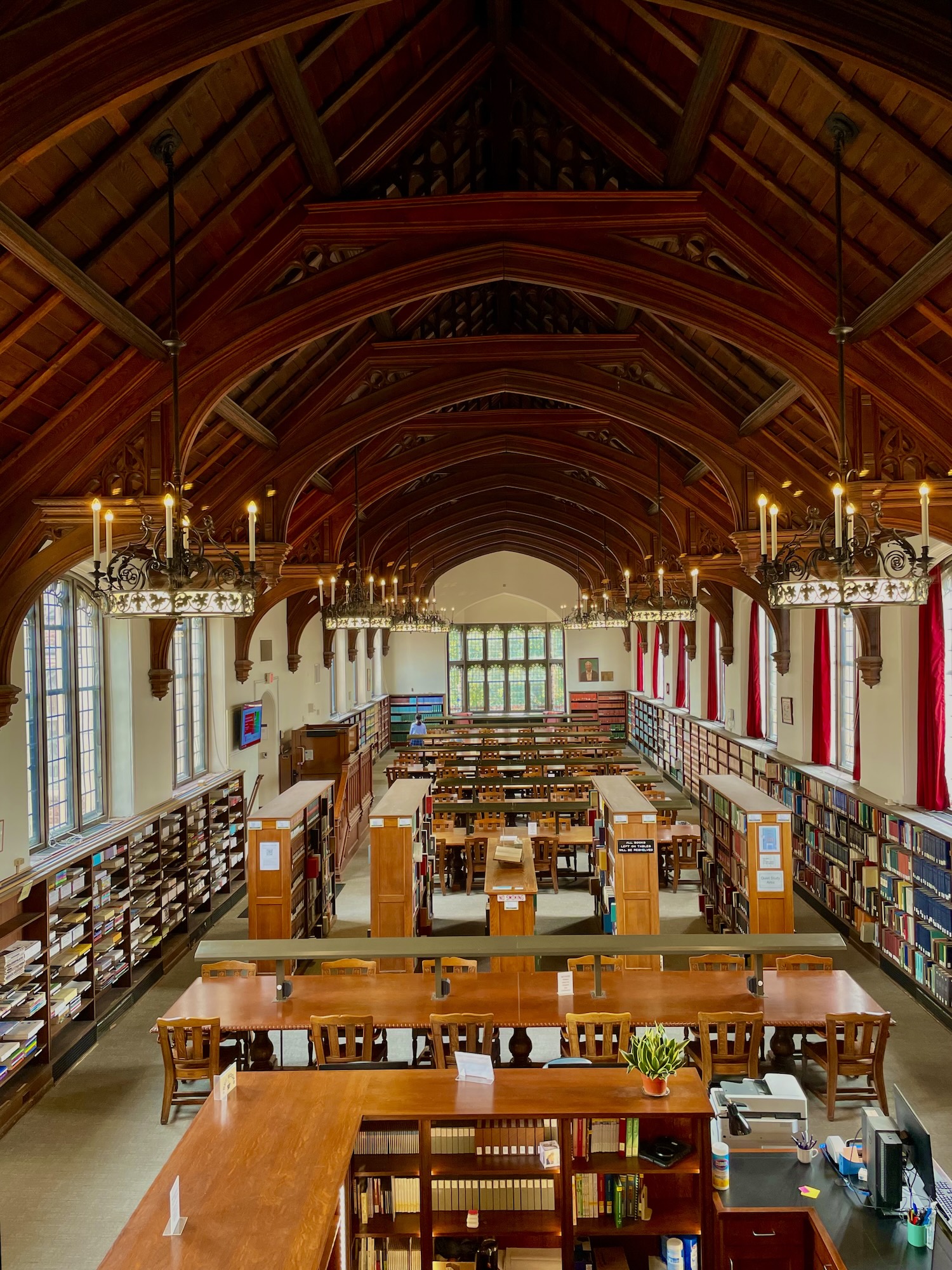
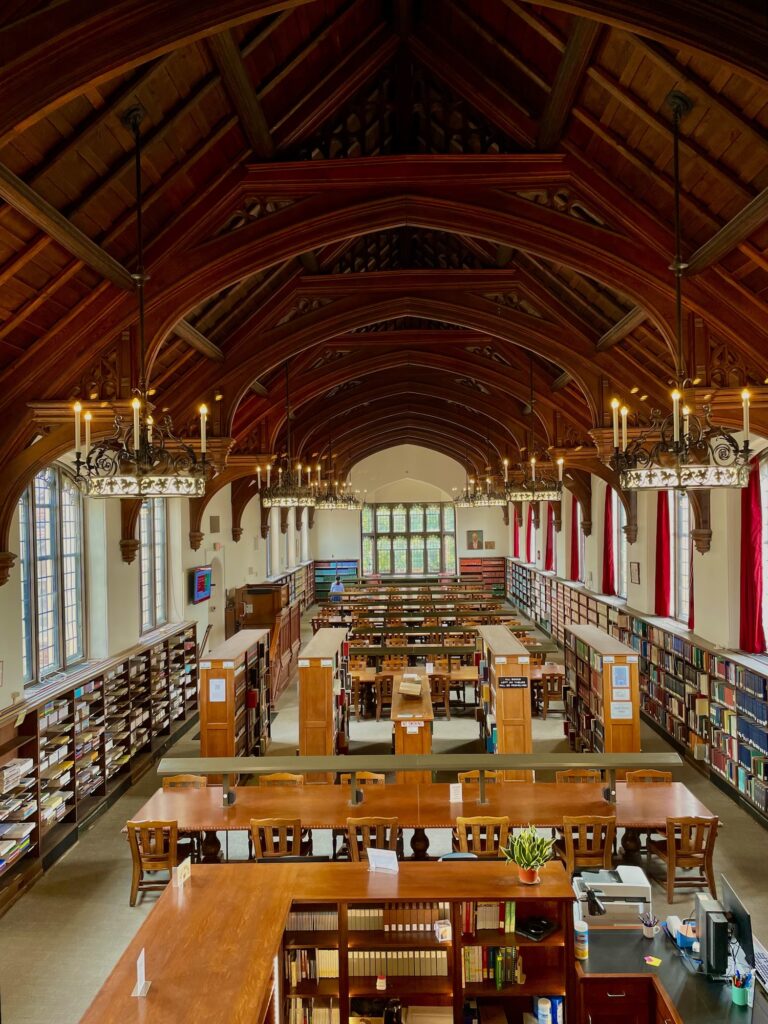
I recently served at the East Asian Library as a Korea Foundation Global Intern from June 2025 to March 2026. As I wrapped up this internship, I wanted to share what I experienced and learned along the way.
Work
My primary responsibility was Korean materials acquisition at the East Asian Library.
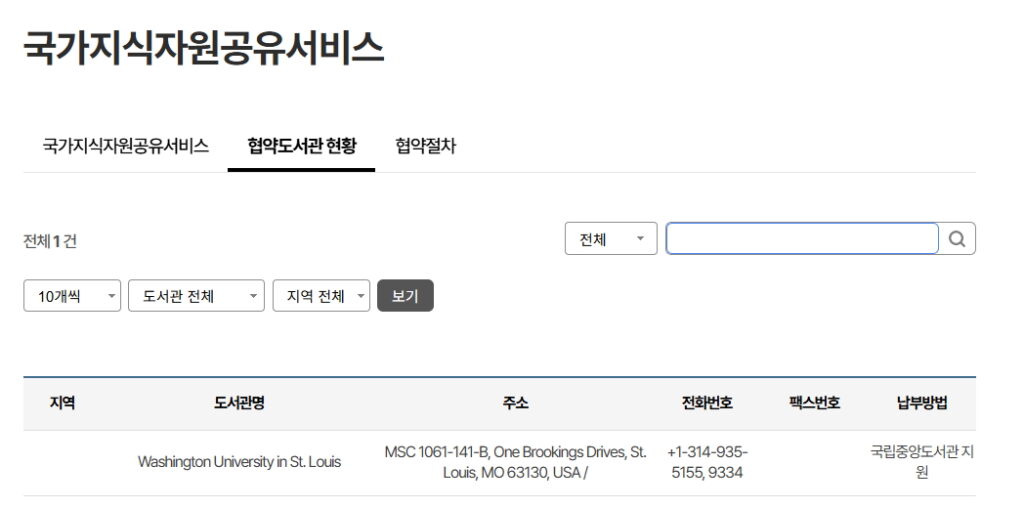
It all started with learning the basics—the WashU Libraries Collection Department walked me through the acquisition workflow. Once I understood the processes, I took on the work of selecting materials based on the research interests of Korean Studies faculty and students, and placing orders through our vendor. Getting to know what our users actually needed was engaging, and there was something quietly satisfying about watching the Korean collection grow, little by little.
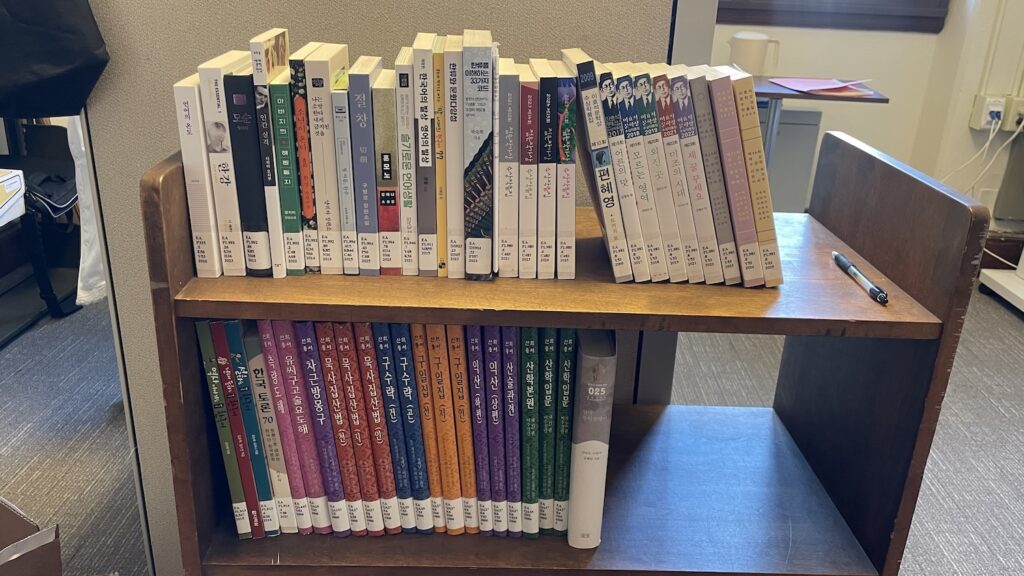
That said, things got interesting in August and September 2025, when international mail to the U.S. was temporarily suspended, and physical book orders came to a halt. That’s when I learned about the National Library of Korea Digitized Materials Service (NLK). It is a service through which the National Library of Korea provides digital resources to partner libraries free of charge. Previously, accessing these digital resources required a visit to the NLK itself or another partner institution—but after about two months of working through the partnership process, I successfully registered WashU’s East Asia Library as a partner library. I then put together a user guide and sent out an announcement to faculty and students. It was a small win, but honestly, one of the most rewarding things I did during the internship.
I also created a Korean Resources Guide within the existing Korean Studies LibGuide. LibGuides were completely new to me at first, but after attending the LibGuide Summer Workshop & Training, I got the hang of it. I organized the guide around categories like literature, history, and Korean language learning. I hope it helps users find specific Korean resources.
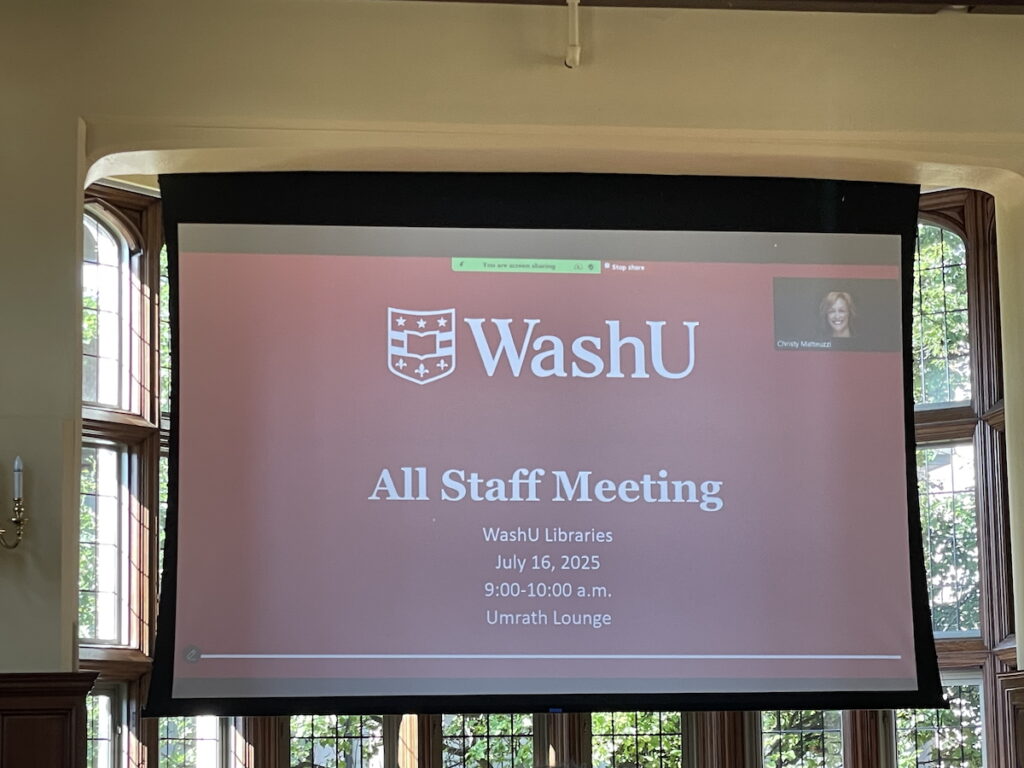
Beyond that, I had the chance to participate in various events like the All Libraries Symposium, the Digital Humanities Workshop, and the Libraries 101 series, all of which helped me understand how WashU Libraries operate as a whole. Libraries 101 in particular was a fantastic way to get a clear picture of each department’s role. More than anything, it showed me just how many people are working hard, each in their own corner, to keep this library running.
Experiences
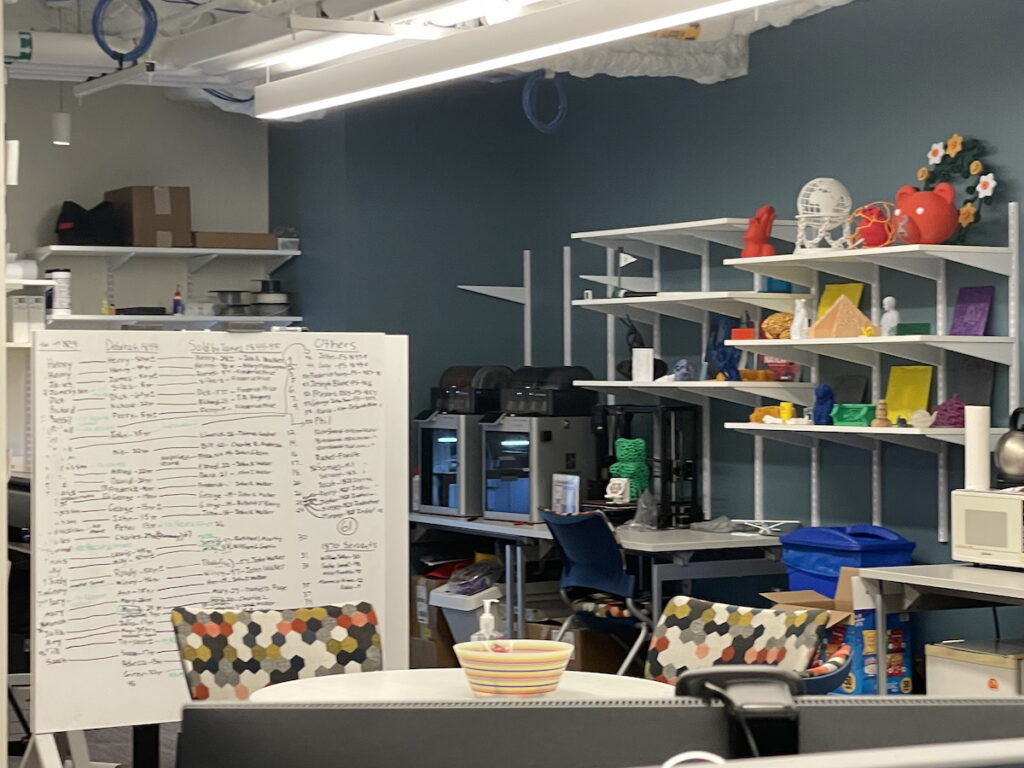
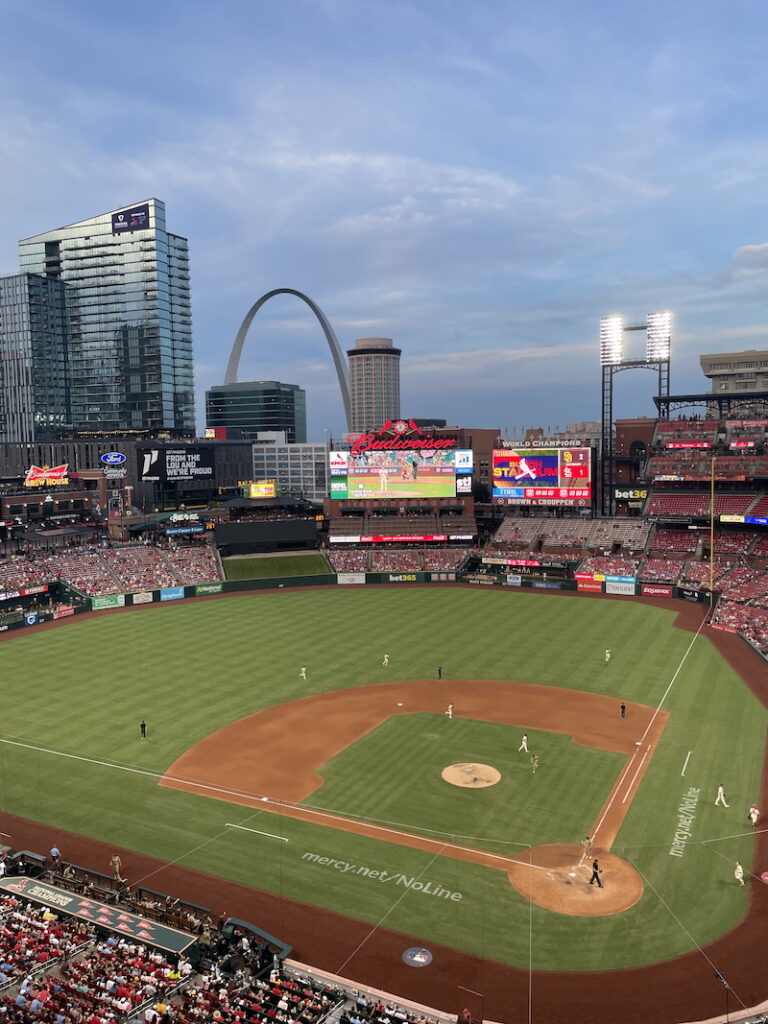
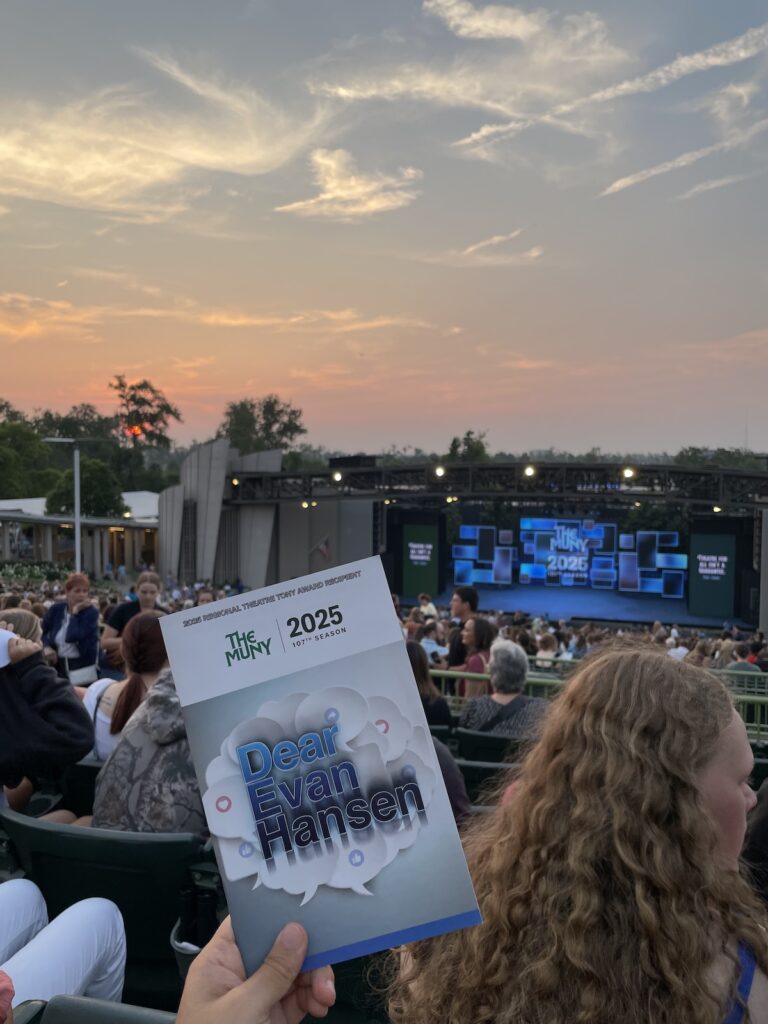
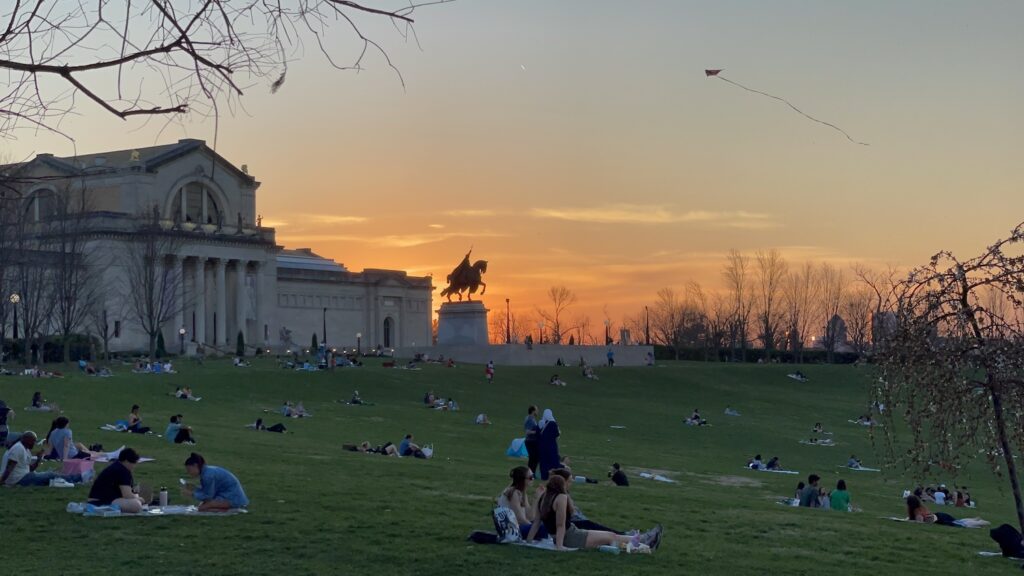
Life in St. Louis was more vibrant than I had imagined. I cheered at baseball games, enjoyed a musical at The Muny, and visited the Gateway Arch. However, my favorite ritual was spending quiet weekends in Forest Park. Lying on the grass on a quiet weekend, looking up at the sky— that’s probably what I’ll miss most when I get back to Korea.
I also traveled quite a bit. Over the course of the internship, I visited seven cities across the US and made a point of finding libraries wherever I went. Visiting the East Asian Libraries at the University of Chicago, Columbia University, and the University of Washington, Seattle, and getting to interact with Korean Studies librarians there was genuinely invaluable. Each institution had its own priorities and challenges, and those conversations broadened my perspective in ways I didn’t expect.
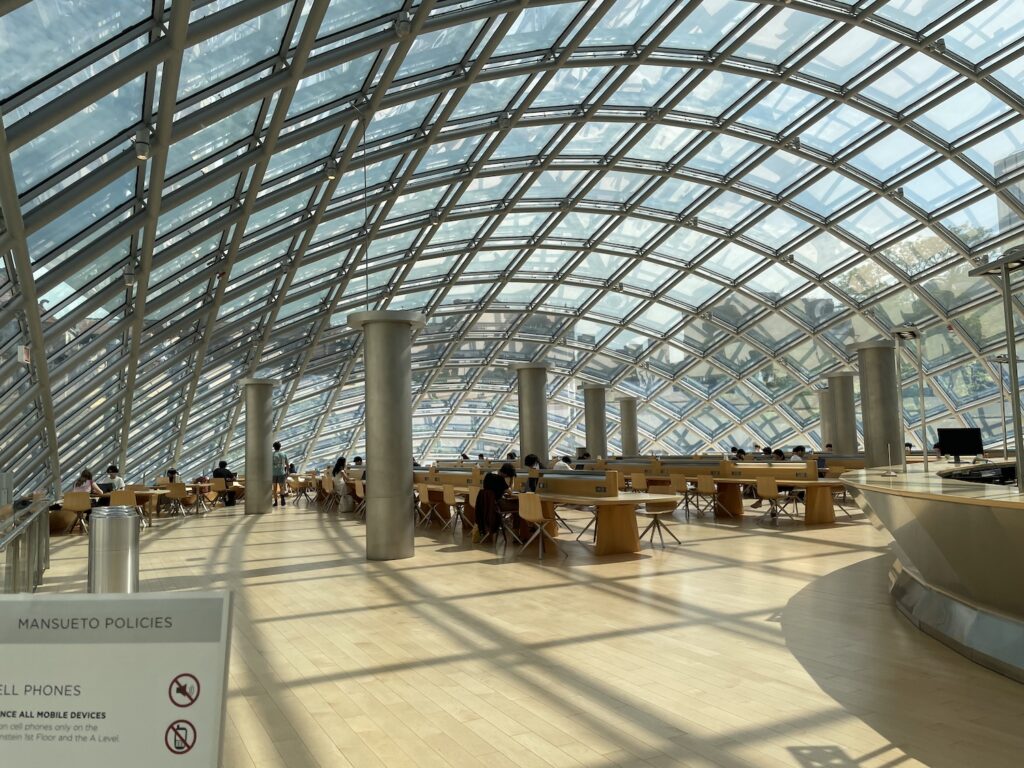
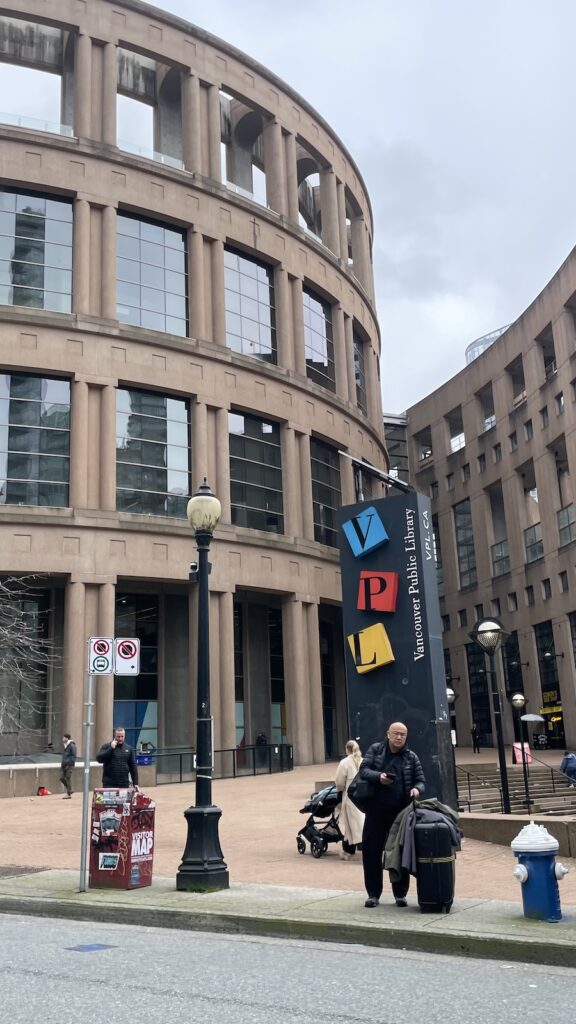
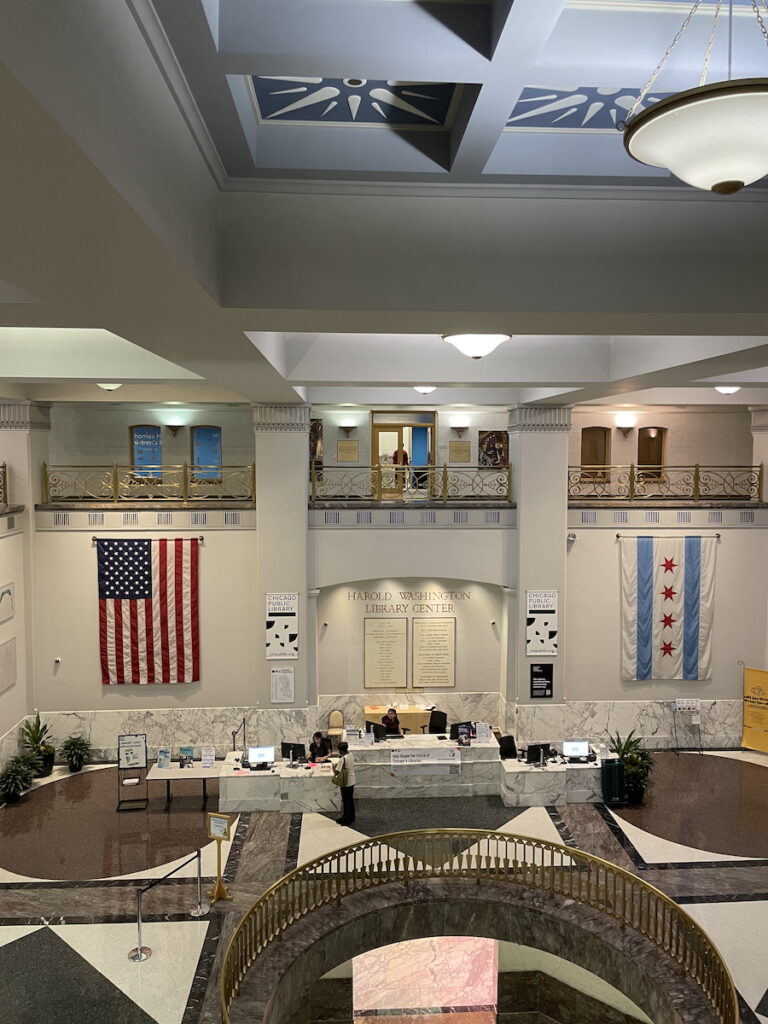
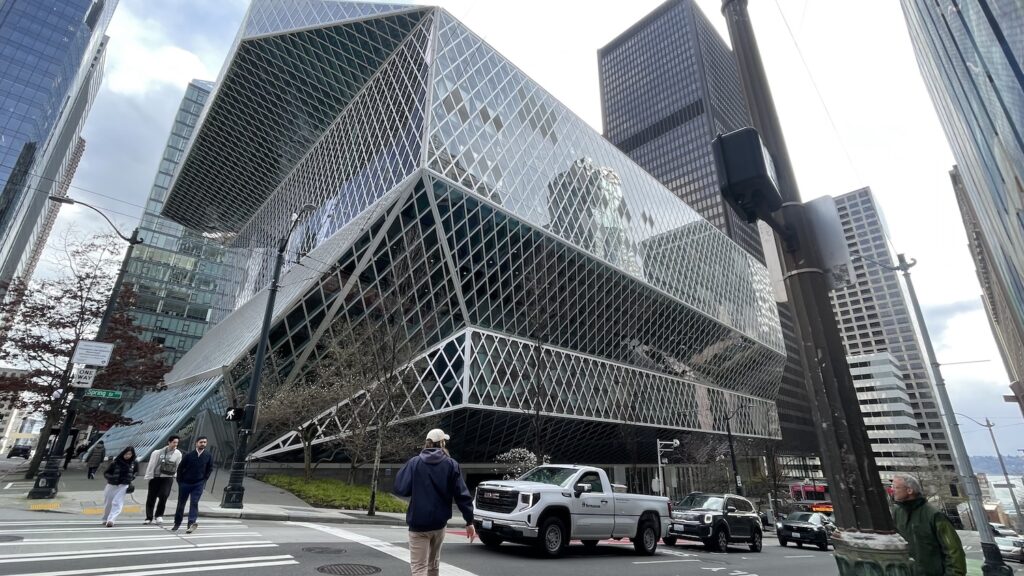
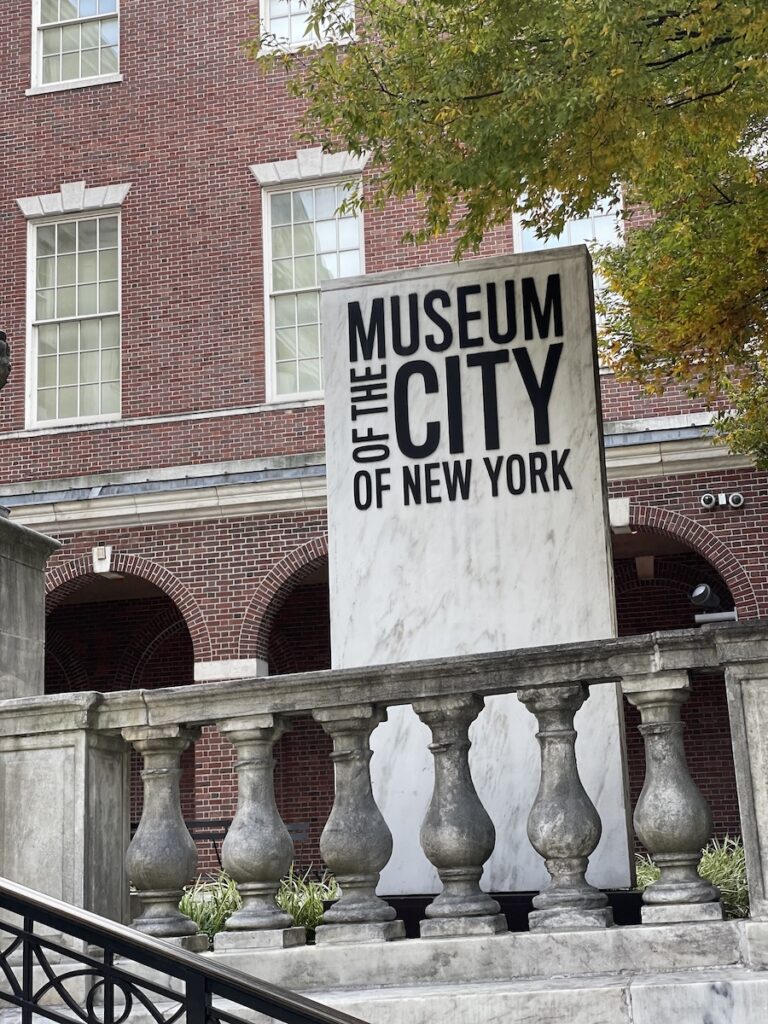
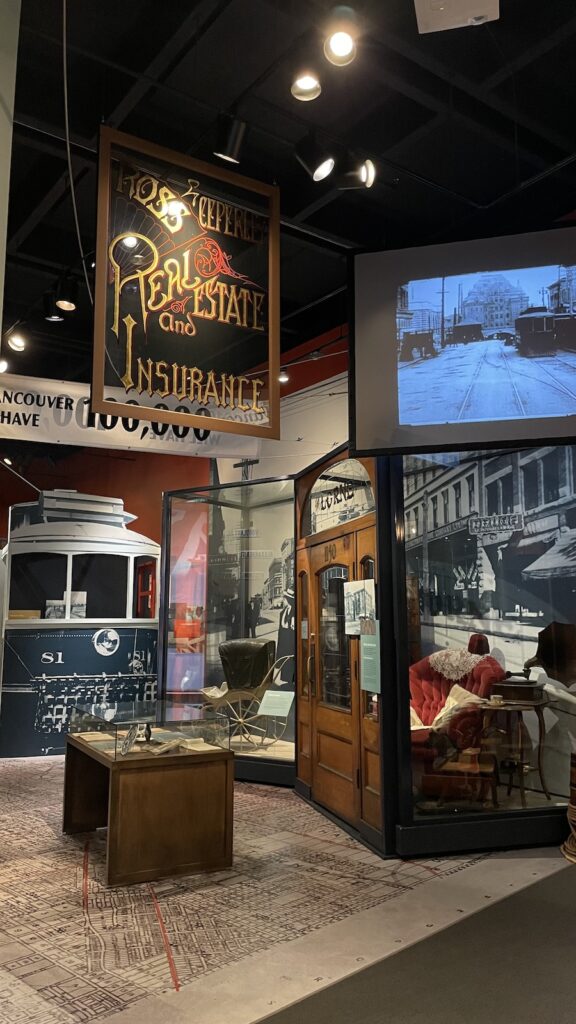
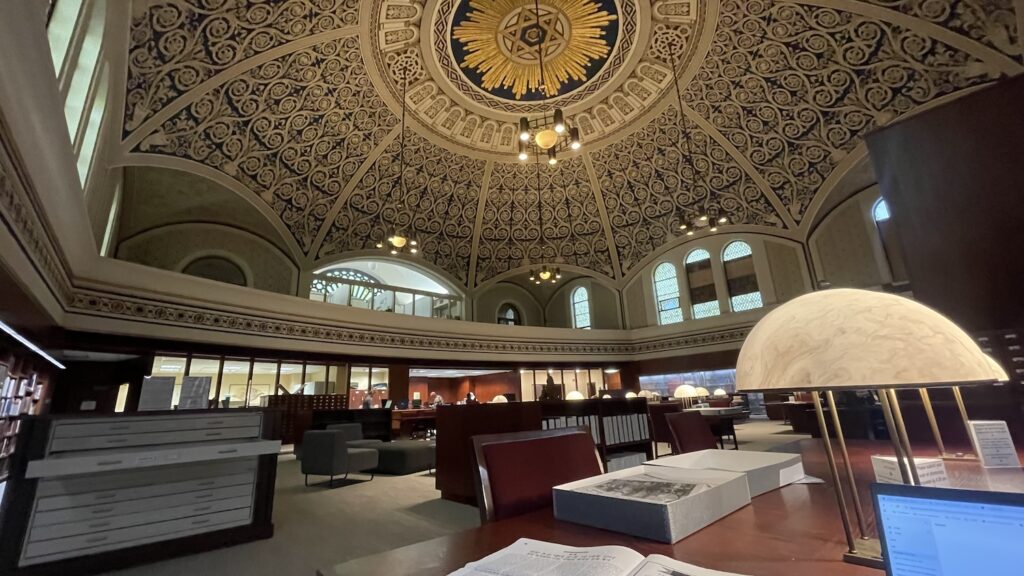
Wherever I traveled, I made it a habit to visit the local city museum. Somewhere along the way, I found myself becoming really interested in urban archiving. That curiosity led me to the Missouri History Society. I wanted to know more about what they were preserving and why, so I reached out directly—and it turned into a volunteer opportunity at the Missouri Historical Society Library & Research Center. I helped translate and tag content from Korean-language newspapers published by the St. Louis Korean community since the 1970s. Being up close to the process of recording and preserving a community’s history was something I won’t forget. Seeing students learn about the history of their own city through those materials—that felt genuinely meaningful.
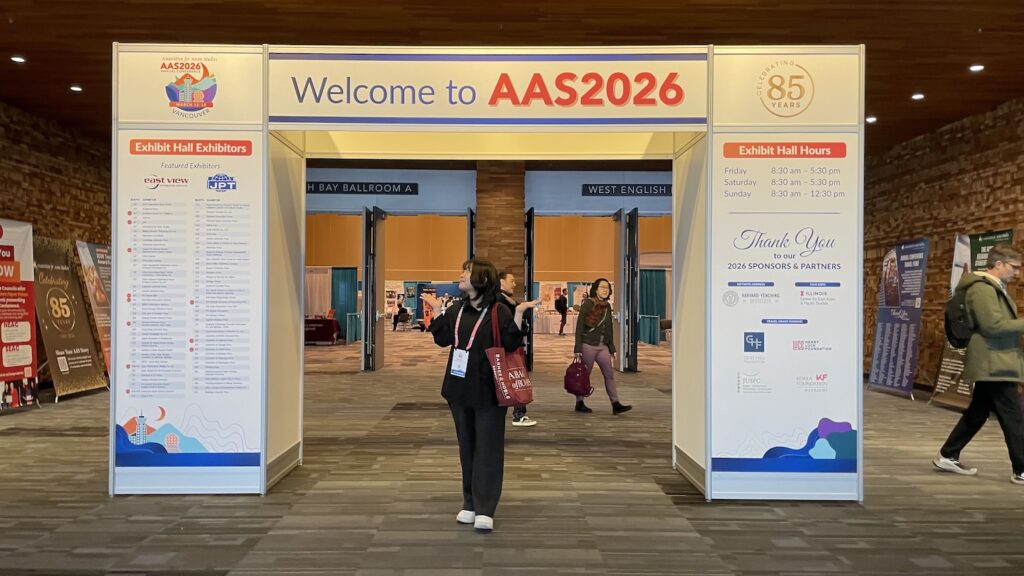
In March 2026, I attended the CEAL (Committee on East Asian Libraries) and AAS (Association for Asian Studies) conferences in Vancouver. It was eye-opening to see what topics are being discussed at the forefront of East Asian librarianship and Asian Studies scholarship. I found myself thinking a lot about the evolving relationship between AI and libraries.
As a Library and Information Science student, American libraries had always been something I was curious about — the scale of their collections, the grandeur of their spaces, the systems that work so differently from what I knew. Now, I feel I understand a little more about how these institutions honor the past while building the future.
Ten months at WashU’s East Asian Library will stay with me for a long time. My perspective has grown, and so has my sense of the direction I want to take as a librarian. To everyone who helped me along the way, and especially to my colleagues at EAL—thank you, from the bottom of my heart.
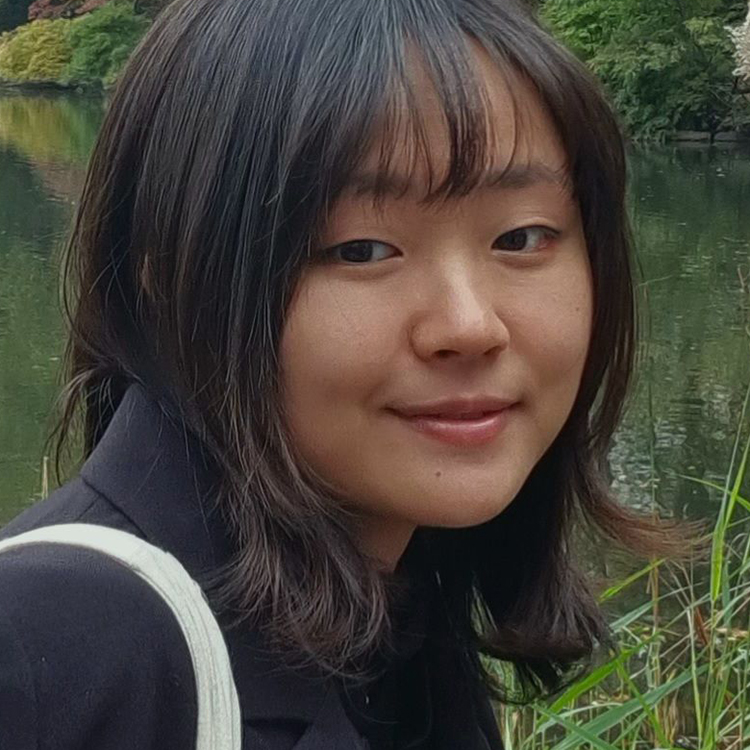
- Name
- Gayeong Lee
- Job Title
- Korea Foundation Global Intern