
Exploring India’s Chess Ecosystem
On December 12, 2024, history was made in the world of chess. Indian prodigy Gukesh Dommaraju became the youngest-ever World Chess Champion at just eighteen years old. This feat marked the end of a long wait for a new champion representing India since the reign of Viswanathan Anand. Gukesh’s victory was more than a personal milestone; it was a reflection of India’s ability to cultivate and nurture world-class chess prodigies.
As the January 2025 FIDE (official governing body of chess) world rankings stand, India’s strongest players are, on average, significantly younger than their American counterparts. India’s top three players, Gukesh (born 2006), Arjun Erigaisi (2003), and Praggnanandhaa (2005), have an average age of 21, while the United States’ top three, Fabiano Caruana (1992), Hikaru Nakamura (1987), and Levon Aronian (1982), average out to 39 years old. This eighteen-year age gap between the two countries highlights how India’s ascent has been powered by a generation still at the very beginning of their competitive careers. Intrigued by this generational shift between the United States and India, I traveled to India to experience the nation’s chess ecosystem first-hand and to learn more about the cultural differences between the two countries that have promoted this sharp contrast.
St. Louis Chess Club and Captain Elementary School
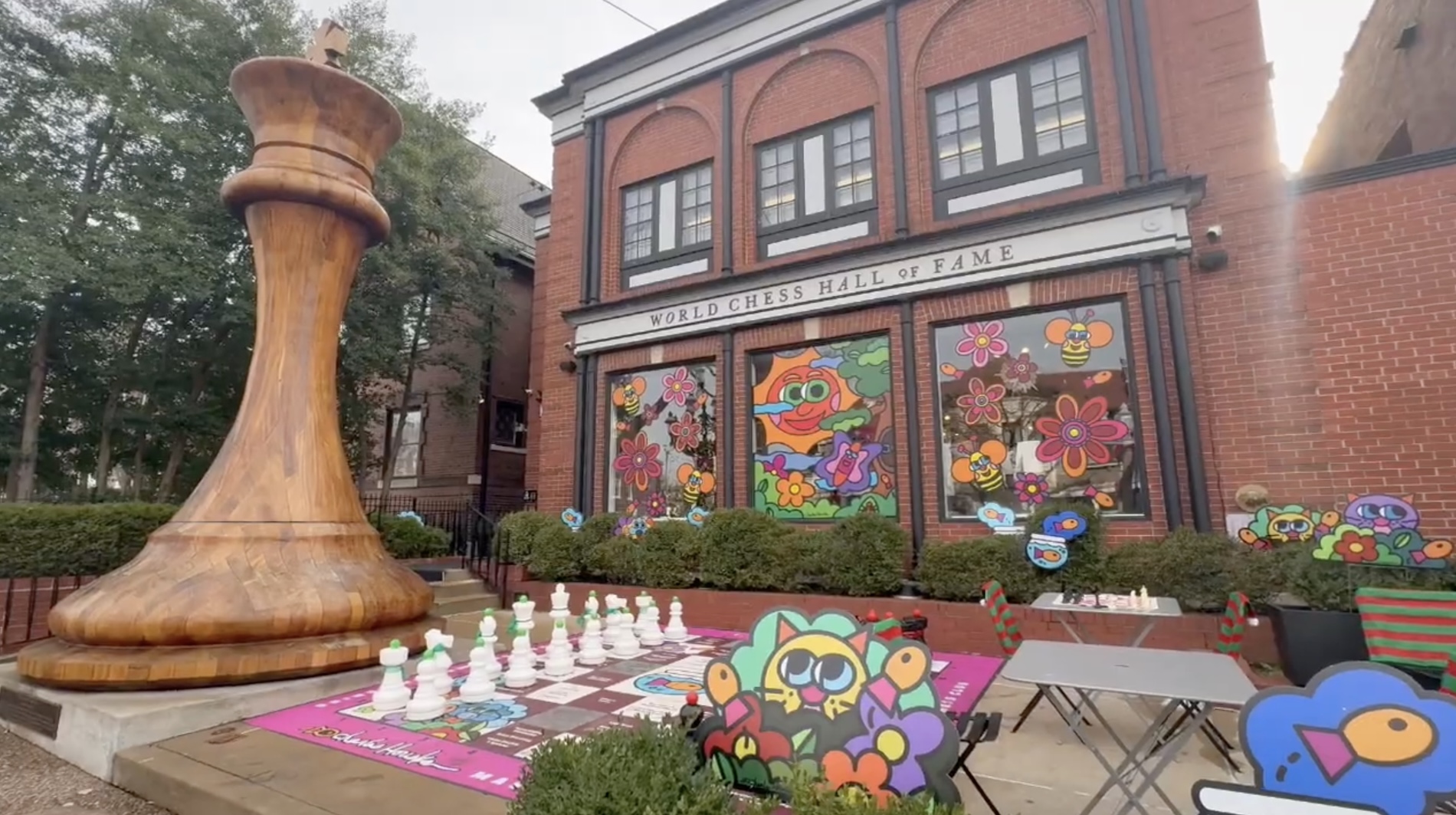
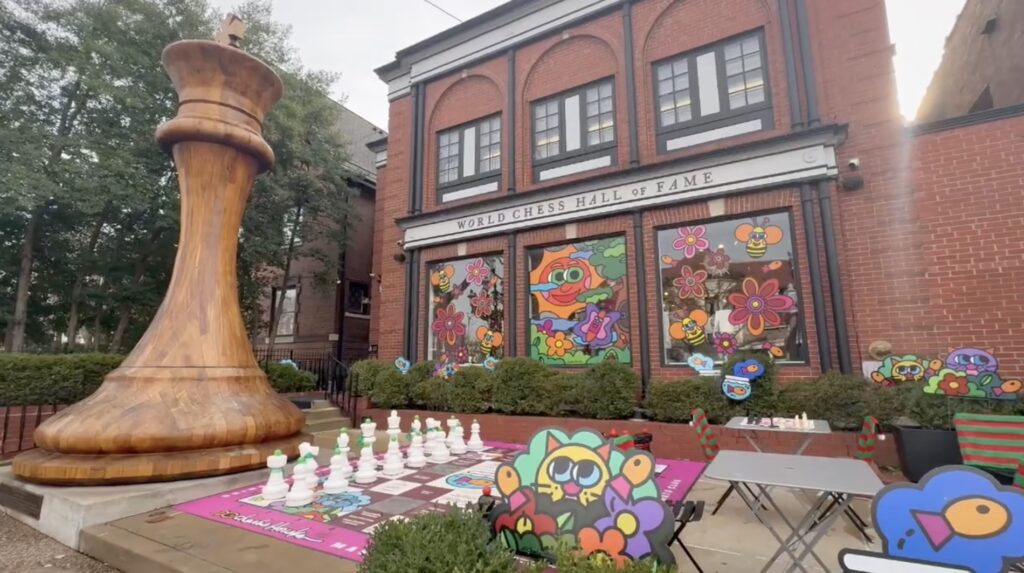
My project’s research began here in St. Louis, a city that is itself a hidden gem in the global chess world. Just a ten-minute drive west of WashU’s Danforth Campus, one can find the Saint Louis Chess Club and the World Chess Hall of Fame, both of which have played an immense role in shaping modern American and global chess through their emphasis on both education and elite competition.
Before my departure to India, I spent time at the club and museum to better understand the development and history of chess in the United States and St. Louis through exhibits, interviews, and events.
During one of my visits, I had the opportunity to sit down for a personal interview with an associate (who chose to remain unnamed per media policy) at the Saint Louis Chess Club to learn about their various educational offerings. Through this conversation, I learned that the club offers weekly lectures by grandmasters and leading educators that are streamed free on YouTube–content that, as he explained, is drawn directly from the club’s “regular day-to-day programming,” rather than scripted productions. This approach reflects the club’s broader mission “to make chess accessible to whoever wants to play, of any age and any skill level,” and has allowed high-level instruction to reach a global audience of tens of millions of viewers through an extensive YouTube channel spanning more than a decade.
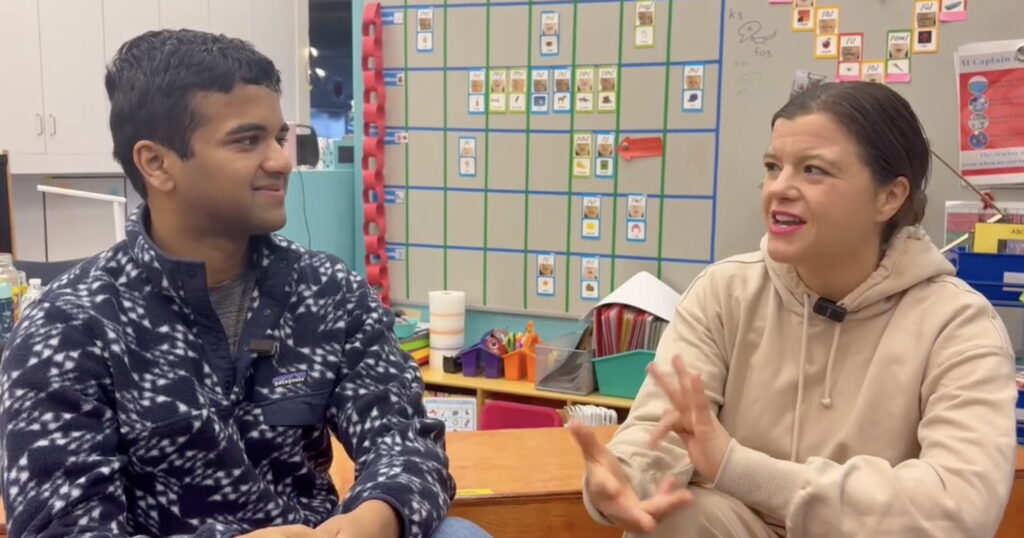
Shortly after I visited the St. Louis Chess Club, I had the opportunity to interview one of my biggest mentors, Jill McCallister, a kindergarten teacher and chess coach at Captain Elementary School in Clayton. Reflecting on the origins of the program, McCallister emphasized that the idea to start teaching chess “actually came from the kids,” beginning during remote learning when a small group of five-year-olds asked to spend class time playing chess.
What struck her immediately were both the “academic benefits” and the “social-emotional benefits around chess,” particularly the way it fostered problem-solving, patience, and resilience at such a young age. As the program grew, she observed how chess created unexpected relationships across age groups, noting that it offered an equal chance to participate, where kindergarteners and fifth graders could meaningfully engage as peers. Perhaps most powerfully, she described how chess became a tool for teaching life skills beyond the board, with many lessons centered on “being able to win, being able to lose,” and learning to represent shared values with grace. McCallister’s account of chess at Captain Elementary resonated deeply with my experience growing up playing chess and is central to our understanding of the interaction between chess and education.
Mumbai: Global Chess League
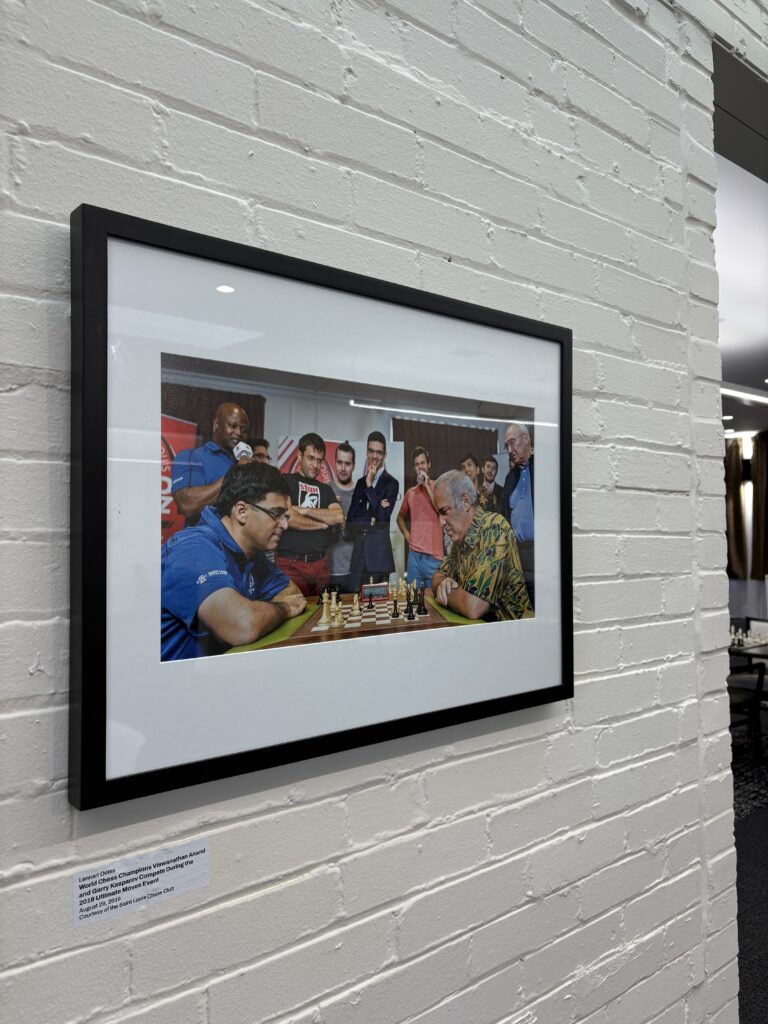
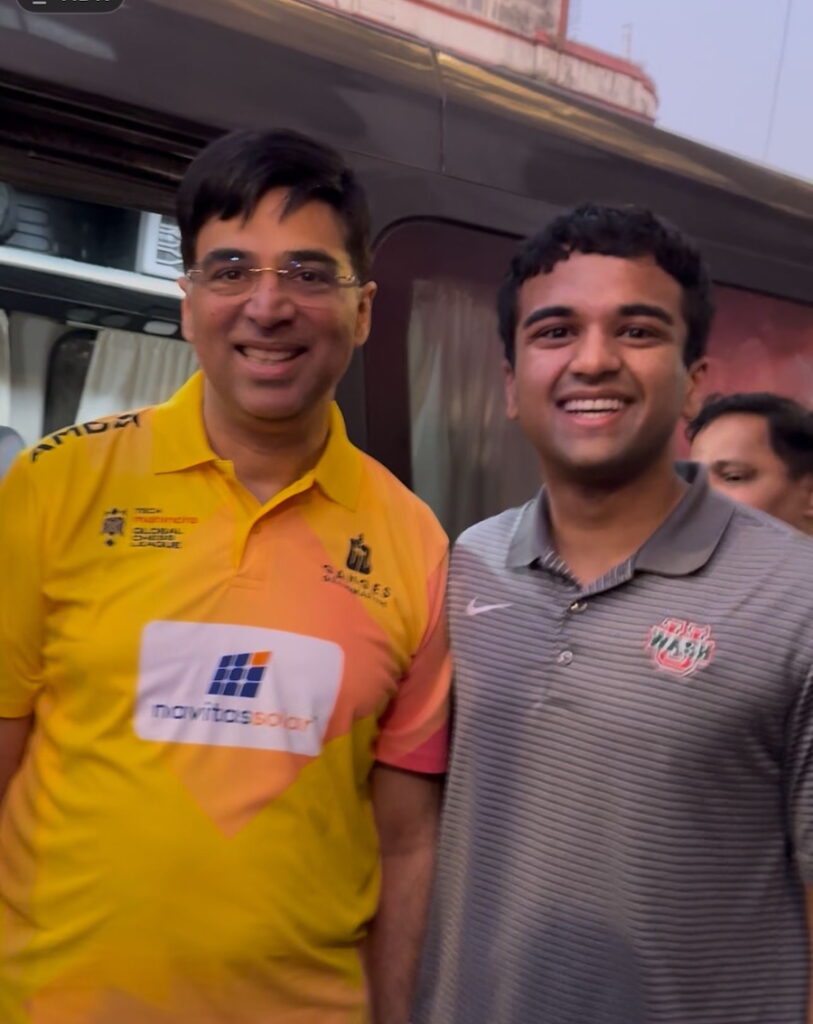
The next part of my project brought me to Mumbai, a densely populated coastal city on the western coast of India. Mumbai has played a central role in hosting and promoting the Global Chess League, a franchise-based international competition that brings together elite grandmasters, rising young talents, and top women players on mixed teams. In Mumbai, I had the opportunity to watch former World Champion Viswanathan Anand of the Ganges Grandmasters defeat current World Champion Gukesh of the PBG Alaskan Knights in a thrilling game. This was the first time that the two world champions of India faced off in a rated match.
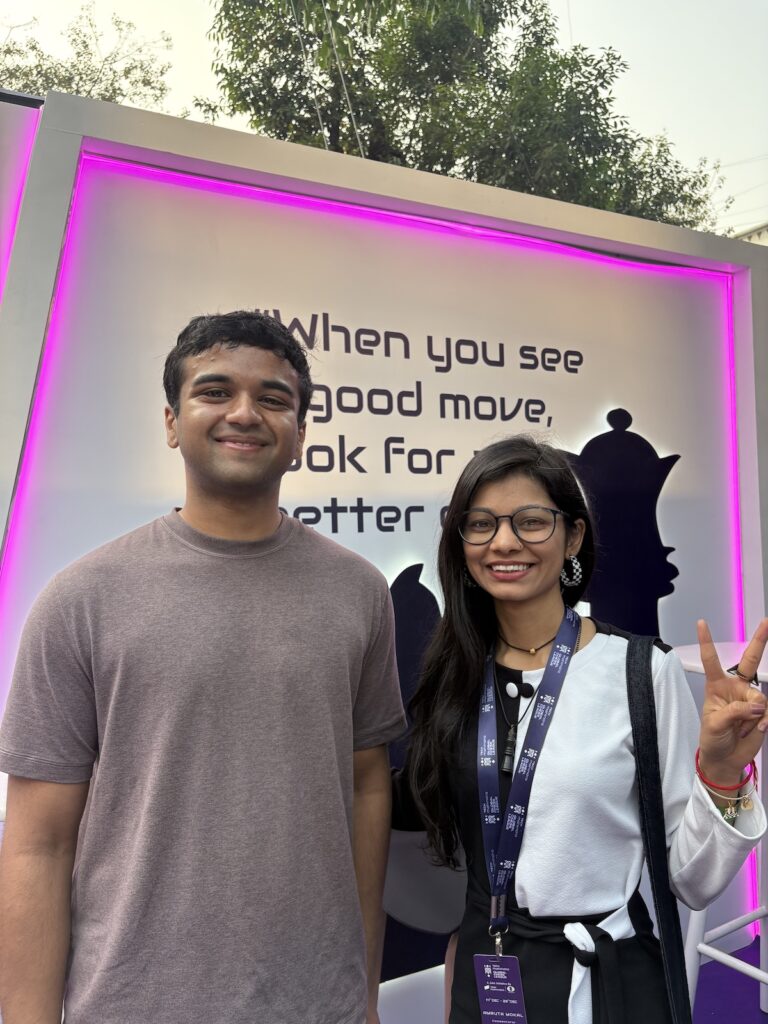
During my visit to Mumbai, I also had the opportunity to interview Amruta Mokal, co-founder of ChessBase India, the country’s most influential chess platform. Through in-depth interviews, tournament coverage, and storytelling that spans grassroots events to the world’s elite, ChessBase India has played a central role in fueling India’s chess boom and shaping how a new generation of players is seen both nationally and globally. Today, its reach reflects that influence, with nearly three million YouTube subscribers, making it one of the largest chess media platforms in the world.
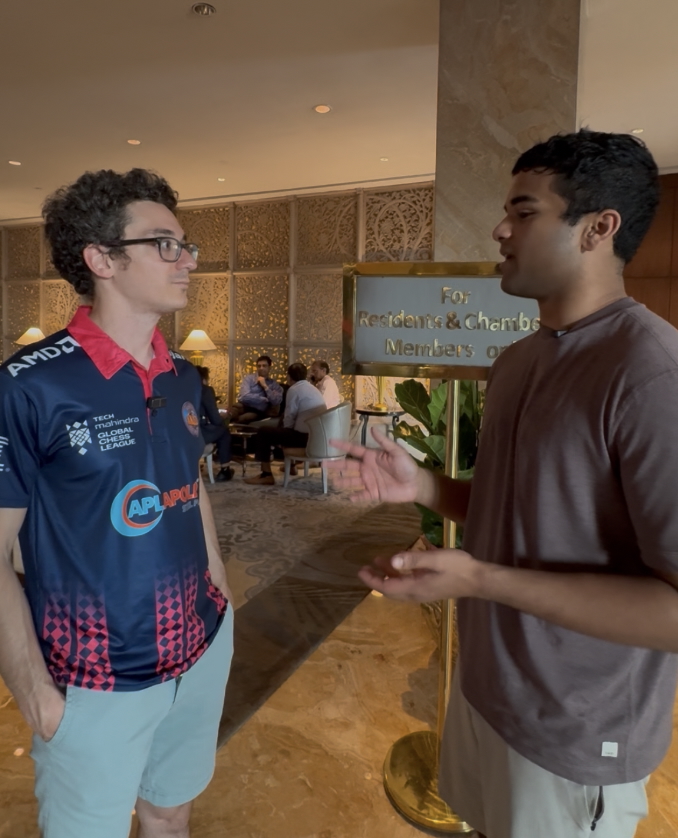
I also had the opportunity to interview Fabiano Caruana, a five-time U.S. Champion and one of the world’s highest-rated players, about his experiences competing against India’s rising generation of prodigies. Drawing on games against players such as Gukesh and Praggnanandhaa, Caruana emphasized that while these players are young, they are “already very experienced,” explaining that he approaches them “the way I would any other top players.” What stood out to him most was the speed and scale of their development: Indian players, he noted, “got very strong very quickly,” which is a pattern he described as fundamentally different from his own formative years. Caruana also pointed to India’s “quite strong corporate and government support” and contrasted it with the United States, where such backing exists “but not quite to the same scale, especially not government support.” These conditions, in his view, help explain why India has produced so many elite young players and why it is likely to remain “a dominant player in chess for the coming decades.”
New Delhi and Noida: Training Camp with International Master Vishal Sareen
The final leg of my project brought me to Noida, just outside New Delhi, where I attended a training camp led by Vishal Sareen, one of India’s most influential coaches and a FIDE Senior Trainer. Sareen has a proven track record of success, serving as a trainer of countless Indian national teams, including Pentala Harikrishna, Parmajaran Negi, and Tania Sachdev. What stood out immediately was the seriousness with which the players, many of them teenagers and pre-teens, approached the material. Sareen’s teaching methodology assumed maturity and discipline, emphasizing independent calculation, self-critique, and accountability.
Throughout the camp, instruction was not framed around “talent” as an abstract concept. Sareen repeatedly returned to the idea that great coaches require great students, remarking candidly that “a good teacher has to be lucky…you need good students to be a good teacher.” Watching the interactions in the room, it was clear why he has been “lucky” for decades: students engaged intensely with feedback, debated lines with confidence, and treated failure as a success.
Beyond the training itself, the Maharathi Chess Academy camp offered a window into why India continues to produce elite prodigies at an unprecedented scale. Sareen was unequivocal that in this generation, players like Gukesh, Praggnanandhaa, Arjun Erigaisi, and Nihal Sarin did not emerge suddenly, but rather were “Vishy’s children,” referring to former World Champion Viswanathan Anand. That alignment accelerated dramatically during COVID when online chess exploded, and global investment surged, transforming chess into what Sareen described as a viable “career sport” for the first time in Indian history.
Cultural factors also play a decisive role. Sareen framed Indian culture not merely as supportive, but as fundamentally resilient, arguing that “resilience is Indian culture,” especially in families with limited resources who nonetheless commit fully to their children’s ambitions. He pointed to the now well-known sacrifices made by parents, such as the reigning World Chess Champion Gukesh’s father stepping away from a medical career.
Reflection
As a lifelong chess player, this project carried significant meaning far beyond research. Throughout my childhood, chess has shaped much of my own personal growth, but traveling to India allowed me to experience the game through a new lens: one that connected deeply with my cultural heritage and helped me better understand the environments that nurture excellence. From playing in tournaments in St. Louis to witnessing students study with intense dedication in training halls in Noida, this project reinforced for me that the game’s greatest impact lies not only in competition, but in education and personal development. Across cultures, chess consistently fosters critical thinking, resilience, and confidence, strengthening my belief in its power as a tool for learning and community building, which makes me more excited to teach the next generation in the decades to come.
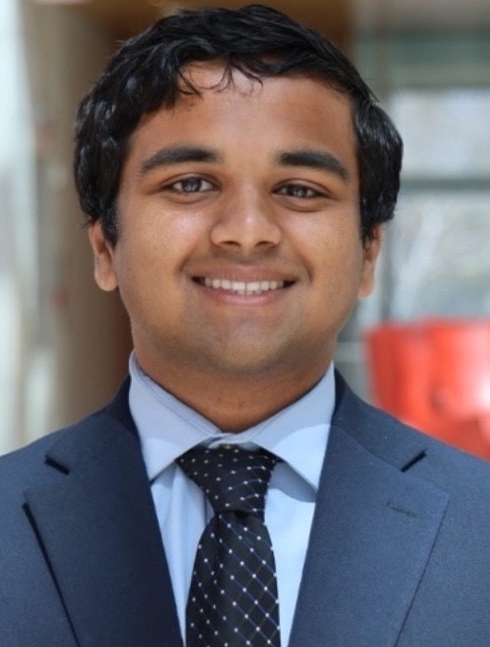
- Name
- Sidarth Gazula
- Job Title
- Economics, computer science, and education studies major in the College of Arts & Sciences