
Finding Meridel Le Sueur in 2026
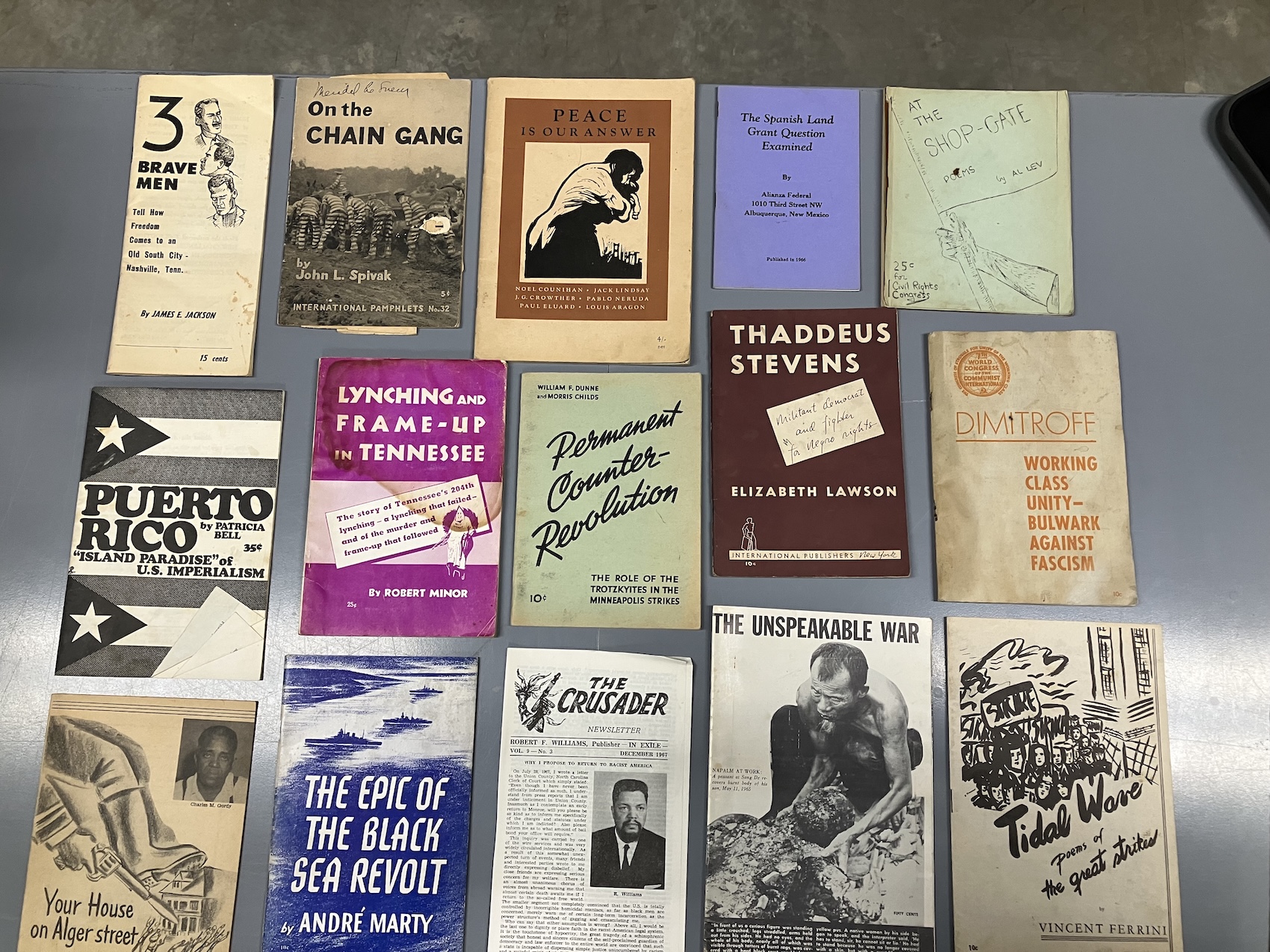
In June of 2026 I eagerly began a long-anticipated research trip to Minneapolis-St. Paul, Minnesota and Sonoma County, California. My research goal is to develop my study of Meridel Le Sueur, a long-forgotten author, into a full biography. The research alone will take me years to find the time to do. There are 42 boxes of archival material bestowed by Le Sueur to the Minnesota History Center plus a vast network of family and friends, each who have endless stories, letters, and other memories of Le Sueur, who died in 1996. But I am learning patience from Le Sueur herself, whose books were often passed over by leftist male publishers in the 1930s for being too mired in women’s problems. Leftist publishers often wanted to uphold images of virtuous, proletariat women; Le Sueur explored, in vivid prose, the class and gender structures that kept legions of poor women mired in struggle and isolated from political consciousness. She had to wait decades for some of her best work to be printed.
Le Sueur made an indelible impression on countless writing students, many of them working class people who found her lessons on craft not only technically useful, but therapeutic. She encouraged people of all stripes to write their stories and experiences, to engage with the process of writing as an act of resilience, and even of resistance. Her own writing was incisive, rife with unyielding and illuminating critiques of patriarchy and capitalism. She was years ahead of the game when she wrote The Girl, at home at night with her two daughters in 1930s Minnesota. The novel is about poor women in St. Paul who work together to manage lives framed by abuse—by fathers and partners, and by the state that wants to forcibly sterilize them. At the end of the book, the title character’s child is born, surrounded by these women, in an abandoned warehouse where they are hiding from the police, printing off leaflets in support of workers’ rights on an old mimeograph machine. The cries of the baby form a rhythm with the sounds of the machine. There’s a message there about how struggle doesn’t have to silence women who want to write and organize. Struggle, for some of the best writers, can sharpen ways of articulating how the world works, becoming the fertile ground out of which new worlds will emerge. What has always captured me about Le Sueur’s writing is that she never pathologizes—her characters are alive, their apparent “choices” revealed to be the paltry menu of bleak outcomes America offers its poor, their consequent rebellions are joyous and vibrant. When I read the book’s ending during my own pregnancy, I had to put it down to catch my breath.
Minneapolis-St. Paul
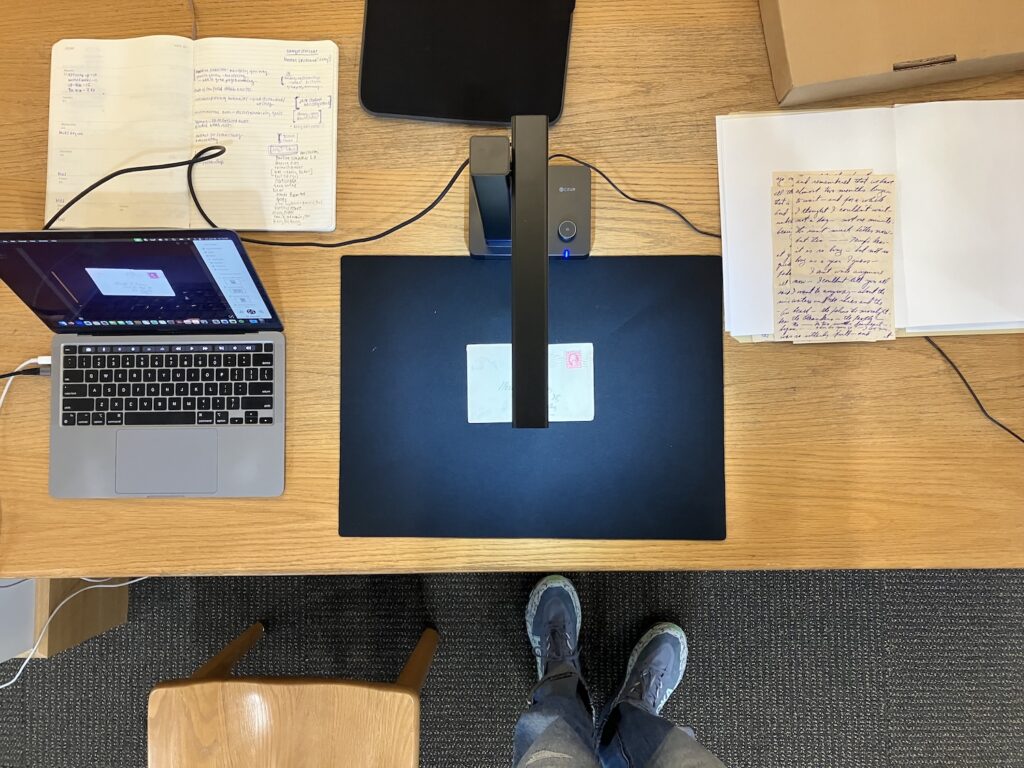
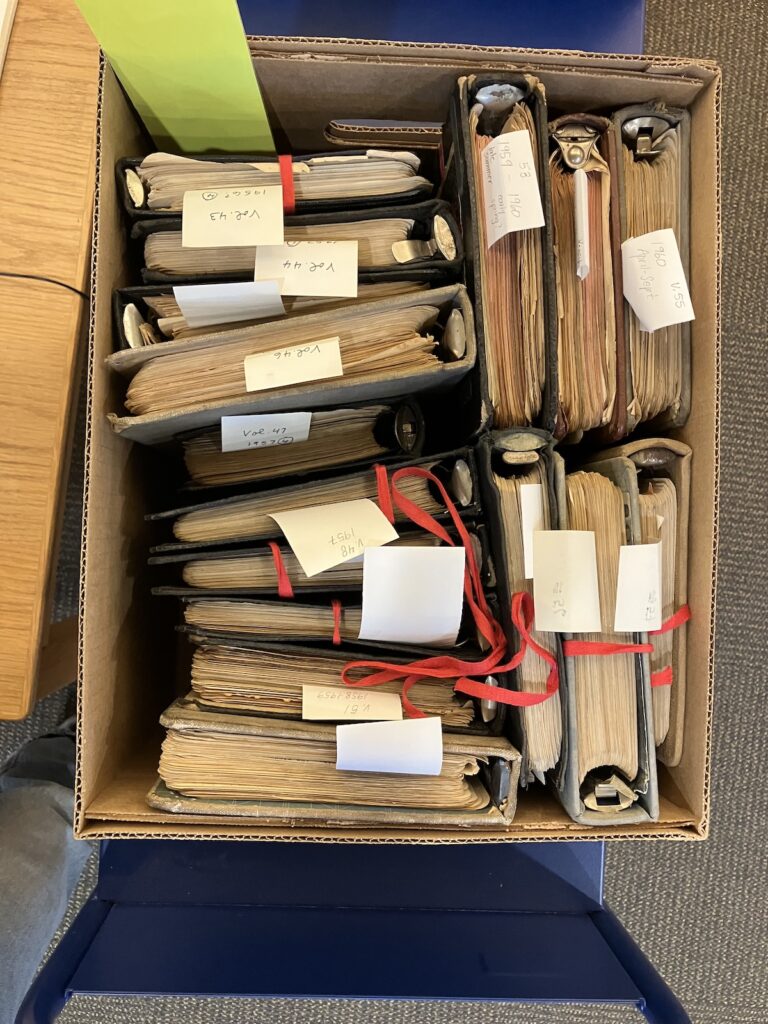
My plans at the Minnesota History Center were carefully made. There is a bit of math involved in an archival research trip. The research reading room at MHS is only able to be open to the public from ten am to four pm, Thursday through Saturday, meaning I had eighteen hours with Le Sueur’s correspondence, manuscript material, and journals—starting in 1922 and not ending until her death in 1996. With a scanner, I set to work, resisting every temptation to be drawn into reading material during these six precious hours each day. After three days I had made it through some correspondence and up to 1957 in the journals, which are mercifully typewritten. I saved reading for the evenings, in the long Northern summer sunlight.
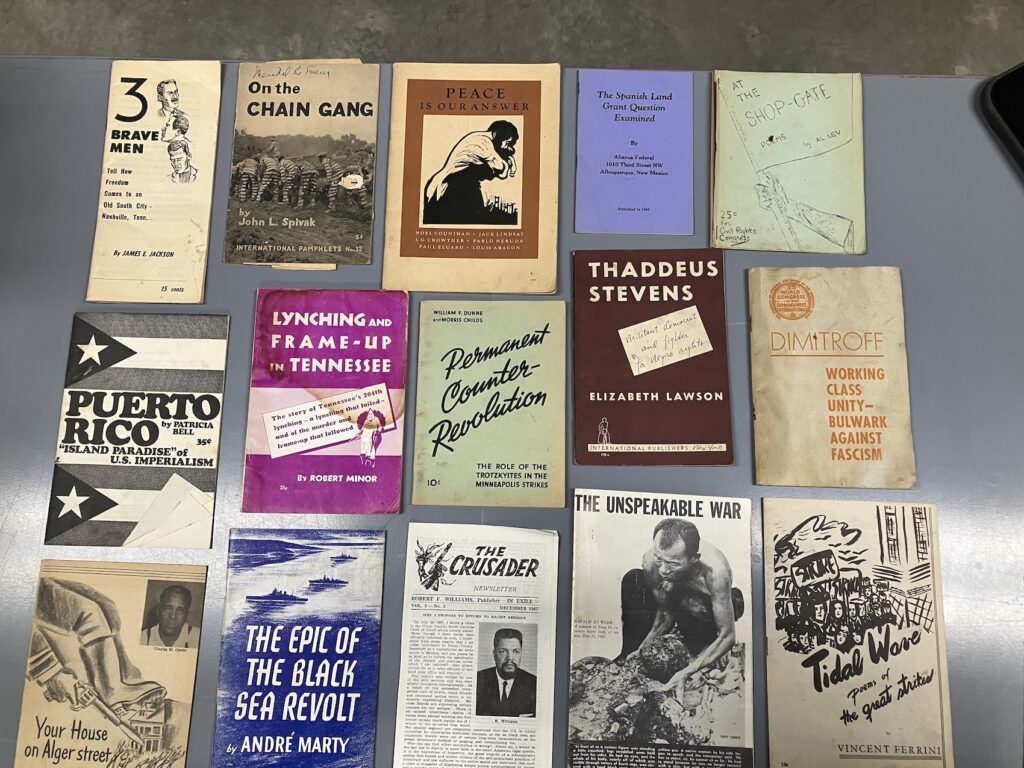
When I first wrote about Le Sueur in 2020 for a dissertation chapter, I was unable to travel to MHS – like most libraries and archives it was closed to the public during COVID. But I did have one spurious source: FBI files documenting decades of surveillance of Le Sueur and her family, from the early 1940s through the 1970s—by the time her son-in-law Kenneth Tilsen, a civil rights attorney, helped to get the government’s case against American Indian Movement activists Dennis Banks and Russell Means thrown out of court. (COINTELPRO bugged his office, too.) These files I had read closely for facts about her location and political activities, but I did so against the grain, knowing their authors had a project uncannily like my own, but with a decidedly different agenda. Where Hoover—whose signature is on early letters directing Minnesota field offices to continue their surveillance of Le Sueur—wanted to find evidence of sedition and treason, I see a woman totally unafraid in the face of McCarthyism and the blacklisting that would complicate her career as a writer for decades. That I read the FBI file before getting a chance to explore Le Sueur’s own archive somewhat shapes my goals for the project. She has already been relentlessly surveilled. I don’t want the book I write to capture her, to pin her down to dates and locations of activity. I want a narrative of her life to offer readers a way into her world, one where it is possible and good to care for kin, work, write, and fight for justice, all at once, all the time, even without money or prestige or formal education.
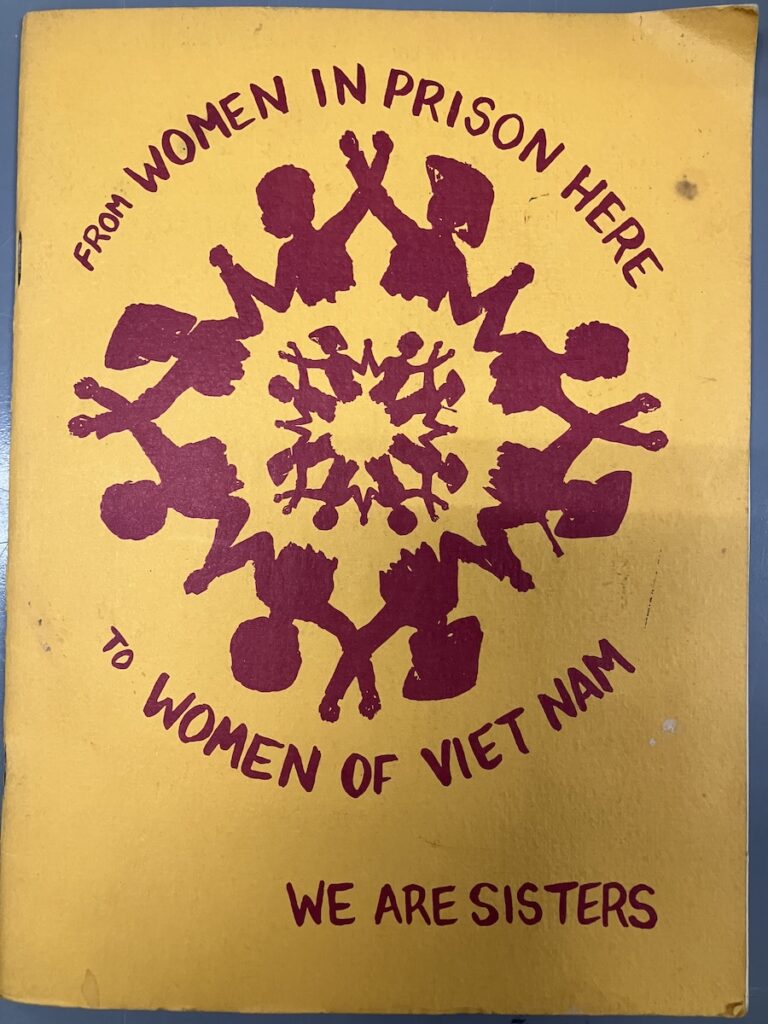
In Minneapolis, I was fortunate to be invited to lunch by David and Barbara Tilsen, Le Sueur’s grandson and his wife. In their marriage, creativity and justice are interwoven, mutually sustained, lifelong pursuits. They read me poems and gave me books and music, let me pore over huge binders of letters between Le Seuer and her family members. They sent me off with advice about whom to contact in Sonoma County, where Le Sueur spent a lot of time and where her daughter, Deborah, lived until her passing last year. Over lunch, I noticed a bowl of apricots in a bowl made by Deborah. Words along the bowl’s edge read “The fruit of our labor is visible love.” The Tilsens are kind. I can’t be the first Meridel acolyte they’ve welcomed; still, they said, “when you come back,” not “if you come back.” That’s true of everyone I encountered on my trip.
Sonoma County
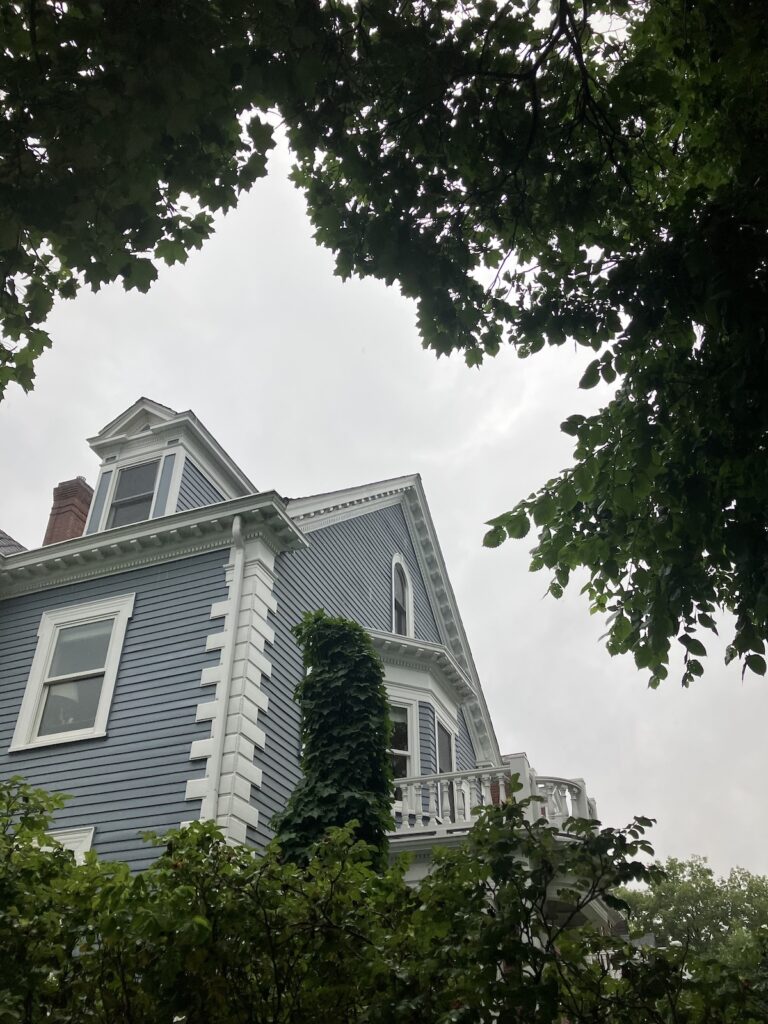
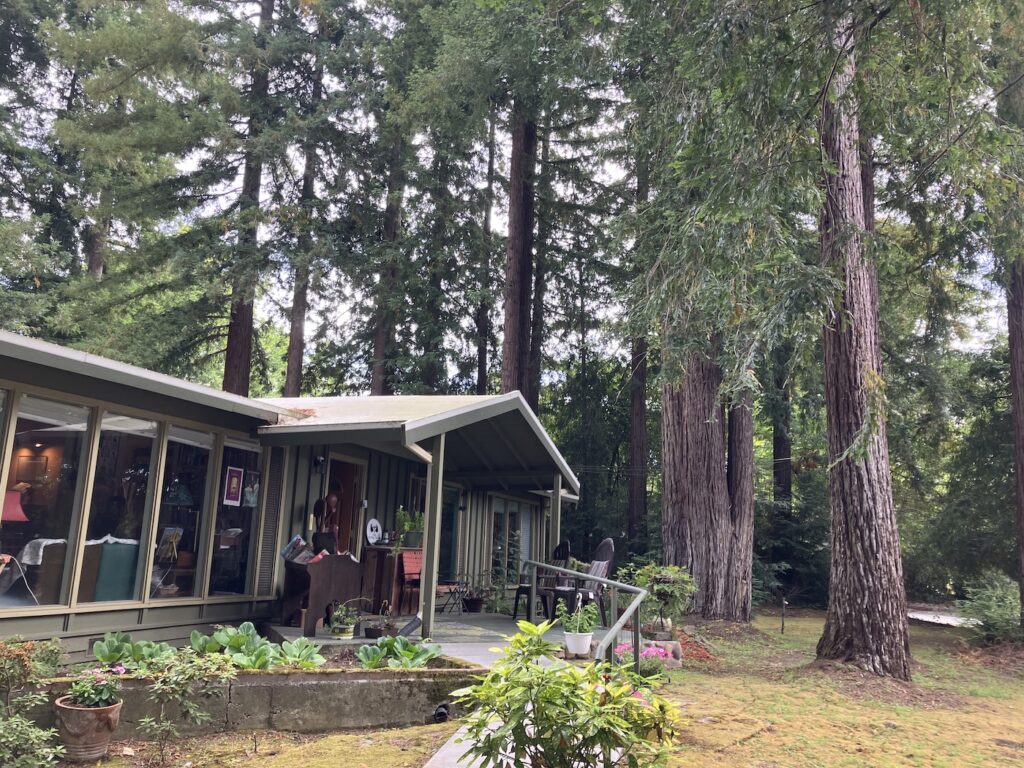
A few days later, I made it to Sonoma County via plane. I had been in contact with a retired English professor from nearby Sonoma State University, JJ Wilson, who has owned and managed The Sitting Room, a reading room and archive of women writers and artists, since 1981, when SSU’s Women’s and Gender Studies Department was ten years old. The department, in which Wilson and many of her colleagues were tenured faculty, shuttered this year, victim to the austerity cuts that disproportionately impact some of the most vital and humane academic programs in the humanities. The Sitting Room is a house nestled under towering redwood trees that offer shade from the powerful sun baking the valley in July. It serves as place to study, write, and gather, and it hosts endless events featuring local poets and visiting writers alike. Its diligent teams of volunteers manage inventories of books and ephemera pertaining to women in literature. Mail comes in every day from all over the country. Wilson told me about times Le Sueur visited the Sitting Room in earlier years, after feminist scholars and publishers “discovered” her and afforded her some overdue publication opportunities and literary celebrity. We talk about a lot of authors with whom Le Sueur was connected, like Irene Paull, a writer and labor activist; like Margery Latimer, another overlooked genius of modernist fiction from the 1930s who, had she not died in her thirties, would surely be known as much more than the wife of her more famous husband, Jean Toomer. Wilson and her generation of scholars are the reason that the current view of American literature is much more vibrant than it was when reading lists were dominated entirely by male authors.
A former colleague of Wilson’s from Sonoma State, Julia Allen, lives in Portland, but Wilson put us in touch via email. It turns out that Allen once considered writing a biography of Le Sueur but was understandably daunted by the mass of material to move through, much of it at MHS but boxes of it in other places, as well, including with family members. “One couldn’t do a reasonable job without reading all the journals, all 133 of them,” she wrote to Wilson in an email forwarded to me. Now that I’ve been reading them, I have to agree, even though even scanning the journals all the way to their end might require two more trips to MHS. Wilson said that the Sitting Room has been run by volunteers for its entire existence, that no one is allowed to work more than ten hours a week. This makes the identity of the place feel highly collective. The work is slow, on purpose, and witnessing it reminds me that my biography project isn’t happening alone. It is happening in solidarity with the many activists, writers and scholars I’ve connected with over this project. Everyone is working, maybe quietly, maybe precariously, each having in mind a future where readers will need their work.
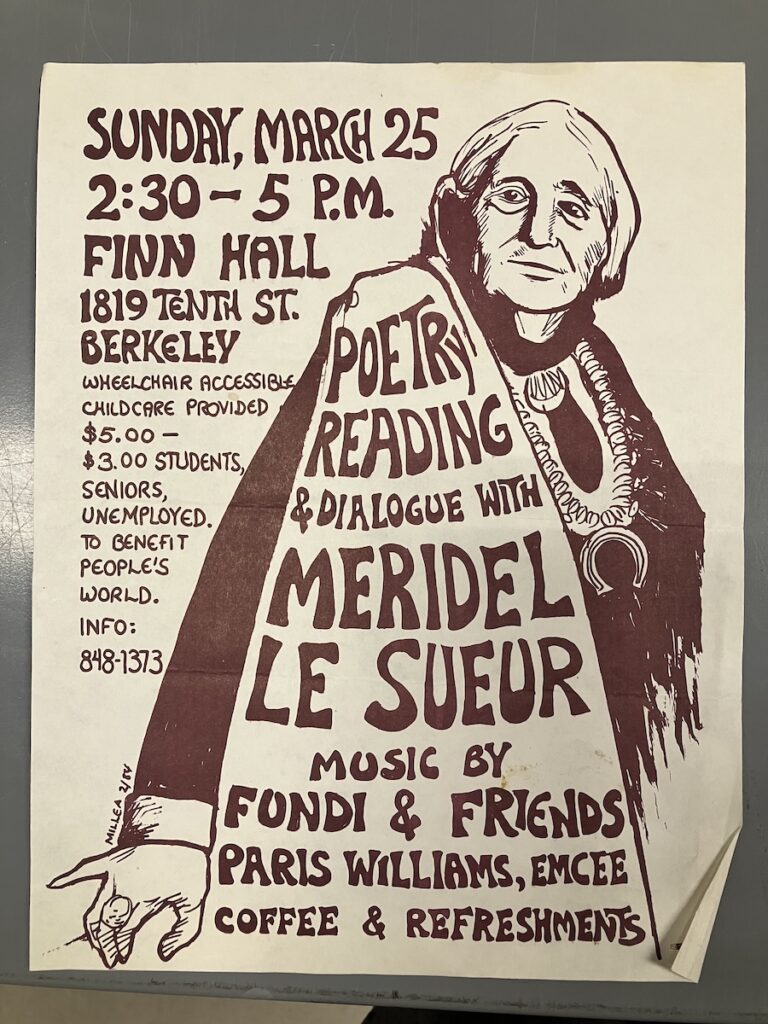
My journey continues throughout the valley—to tiny Graton, where Deborah Le Sueur’s widower amazingly invites me in to explore boxes of letters between Le Sueur and her two daughters, and to Santa Rosa, where Lincoln Bergman, another family member, has recordings and other materials to show me. We talk about my project, and about his: Bergman is a poet, and was the news director for the Bay Area’s most beloved public radio station for many years. He also co-founded the Freedom Archive, an audio archive of social justice movements in Berkeley. Their motto is: “Preserve the past – illuminate the present – shape the future.” It seems that everyone I am now in contact with has felt the call to write, create, and disseminate wisdom and stories as a matter of everyday liberation. Collectively, they form an important part of Le Sueur’s legacy in the world.
Le Sueur’s treatments of the lives of poor women forge connections between the past, present, and future. That literature, poetry and song have always been essential to social movements, across humanity, is something Le Sueur reminded her readers constantly. I am always reminded of the etymological overlaps contained in the word “spell” – a word contains many meanings: acts of reading and writing, arranging letters to form a word, and witchery: speaking words in an order that makes things happen in the world. The more people write, the more they bring about the continued and organic emergence of new life and new ideas. The more they uncover their pasts, the more they are inspired to forge more just and beautiful futures.
Le Sueur wrote at the end of The Girl when it was finally published in 1978: “the publishing of this book is wonderful—to be made visible now by a new generation, not born yet when these women sent them a message—a hosanna, a shout of joy and strength back to those wonderful women our mothers ourselves who keep us all alive.” Now that my trip is over, my ears still ring with these echoes, these calls and responses made possible by archives, by the acts of care that writers and readers perform, keeping human history and culture alive across time, beckoning to one another, filling silence with meaning.
- Name
- Meredith Kelling
- Job Title
- Assistant director for student research and engagement at the Center for the Humanities