
The Bernoudy Collection: Materials from Frank Lloyd Wright’s Taliesin
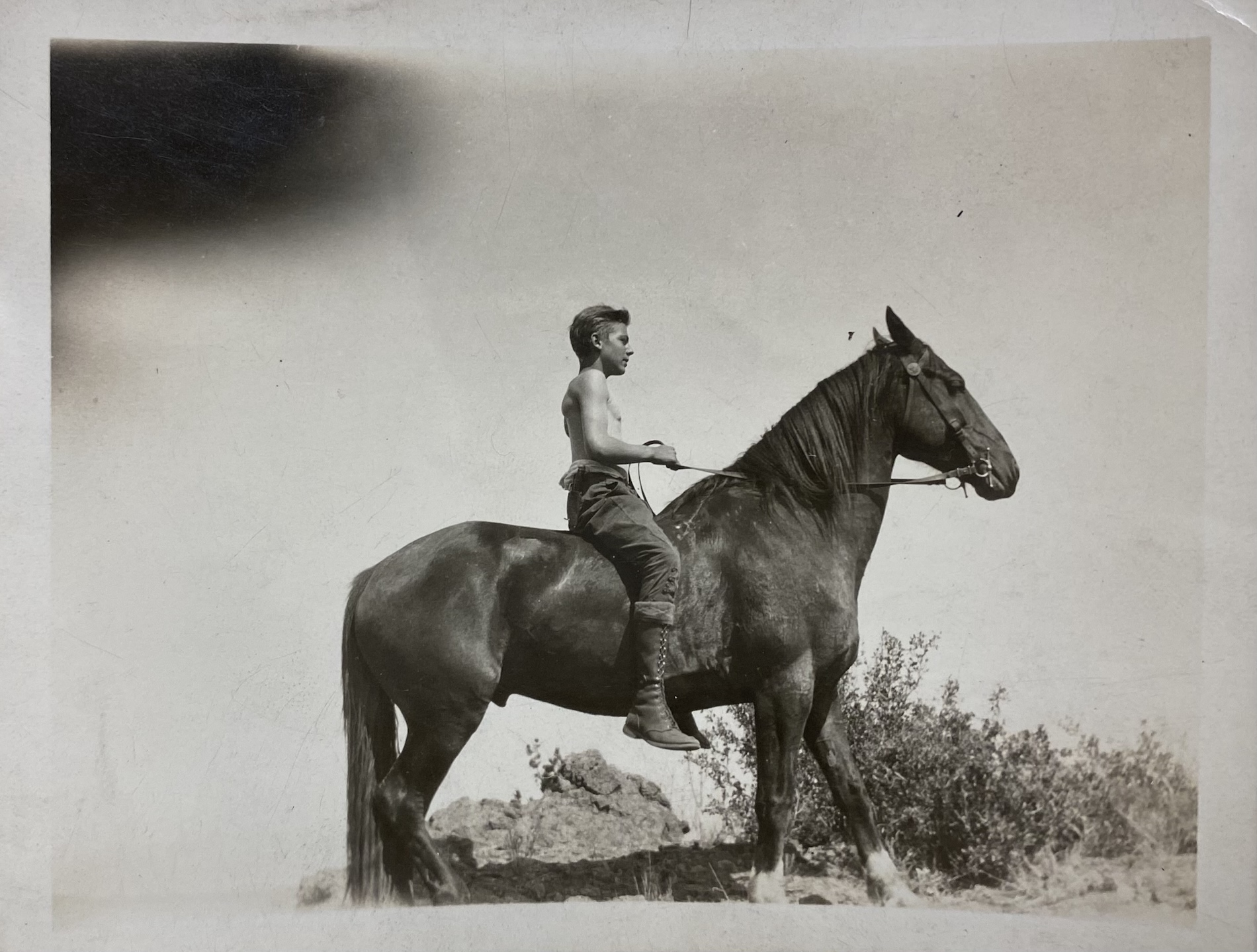
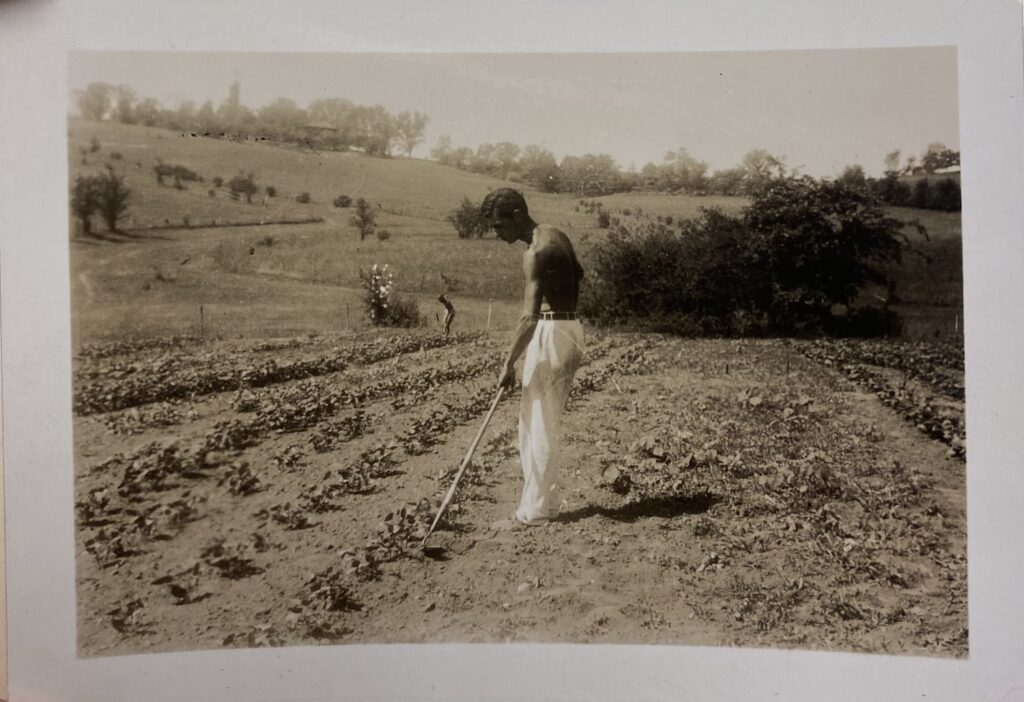
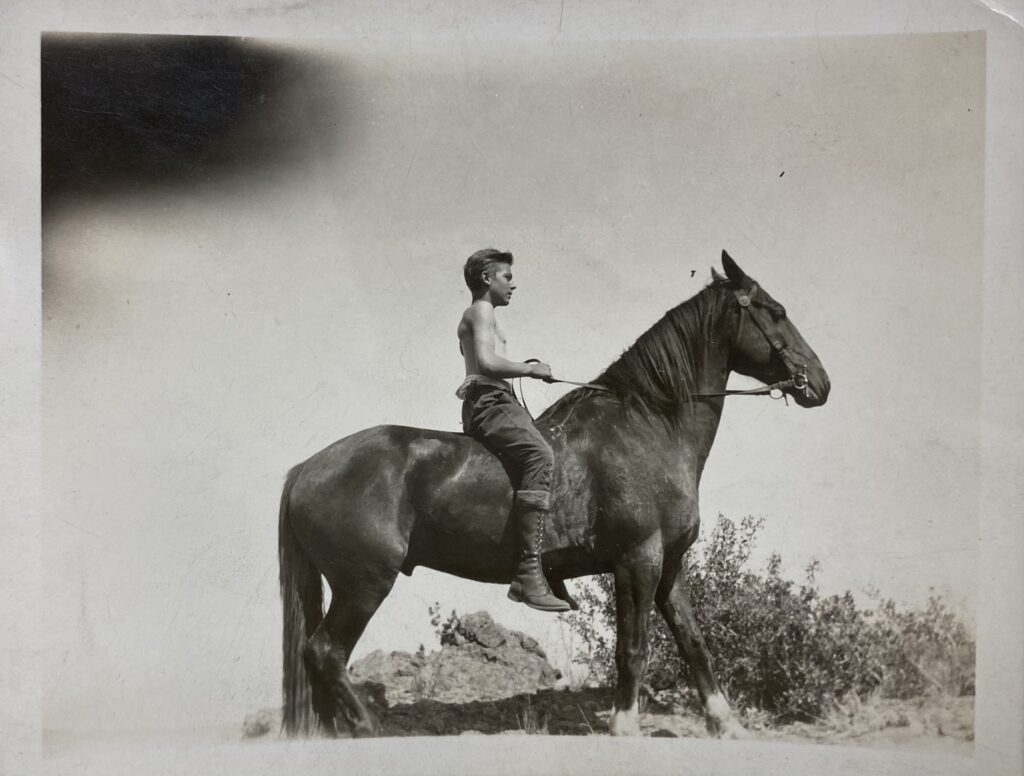
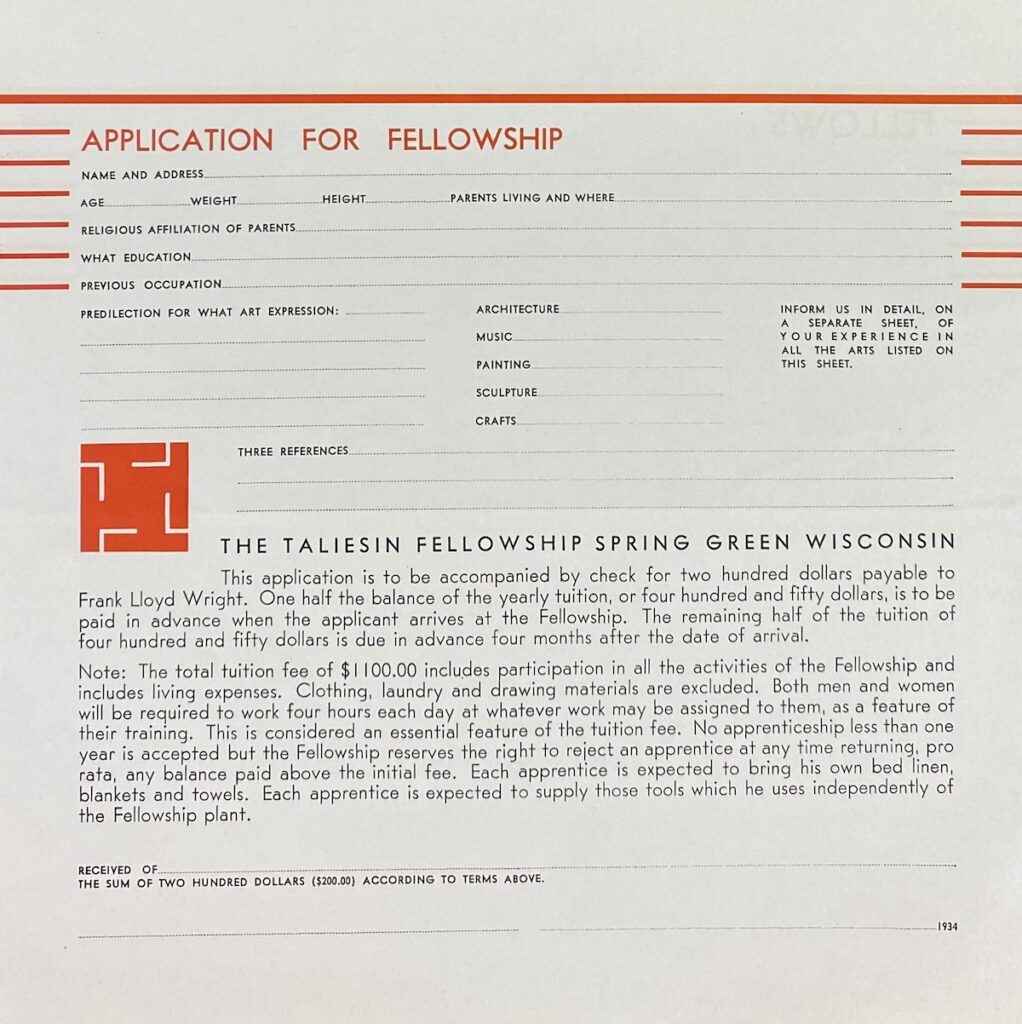
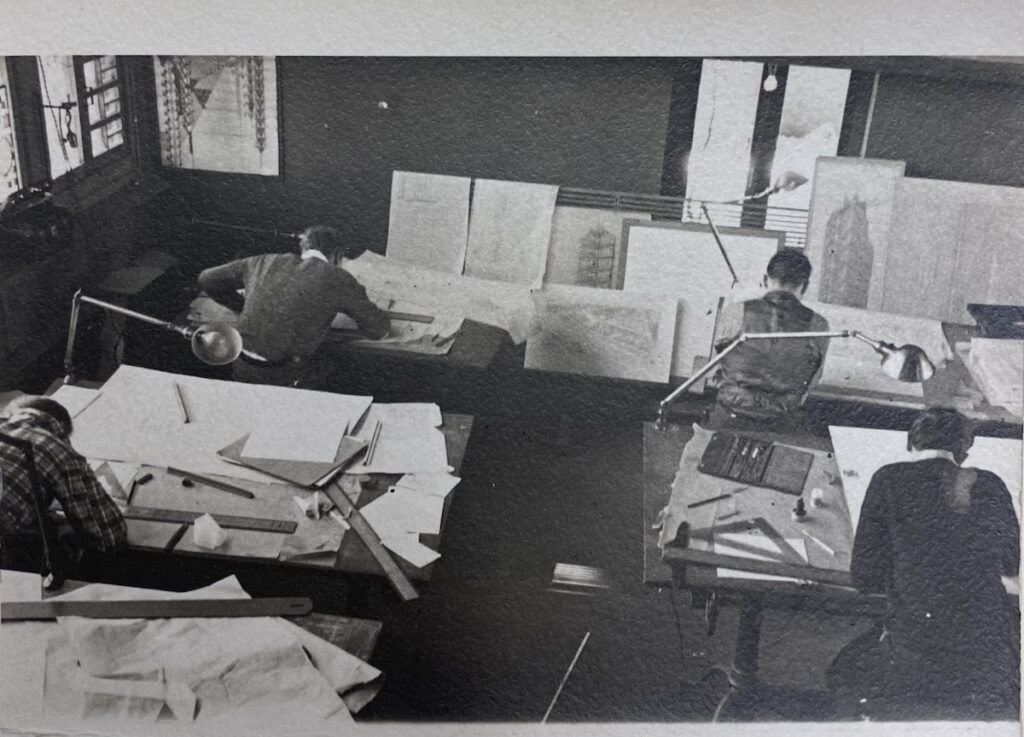
Frank Lloyd Wright established the Taliesin Fellowship as a way for young architects to learn their craft through hands-on apprenticeship. On a 200-acre farm outside of Spring Green, Wisconsin, fellows worked four hours a day learning the tenets of architecture. They designed structures for the Taliesin landscape and constructed models of Wright’s drawings. Taliesin, however, was not an educational institution. It was a series of practices performed in the development of a robust working culture aligning with the organic architecture movement. A term coined by Wright, organic architecture is a philosophy avowing that “in structure and appearance a building should be based on organic forms and should harmonize with its natural environment” (Getty Art and Architecture Thesaurus). Fellows felled trees and quarried rocks used for construction. They gardened, farmed, and cooked their own food. Hiking, horseback riding, and swimming were parts of daily practice. Constant contact with nature established a deeper relationship with raw materials, feeding into fellows’ understanding of organic architectural ideals.
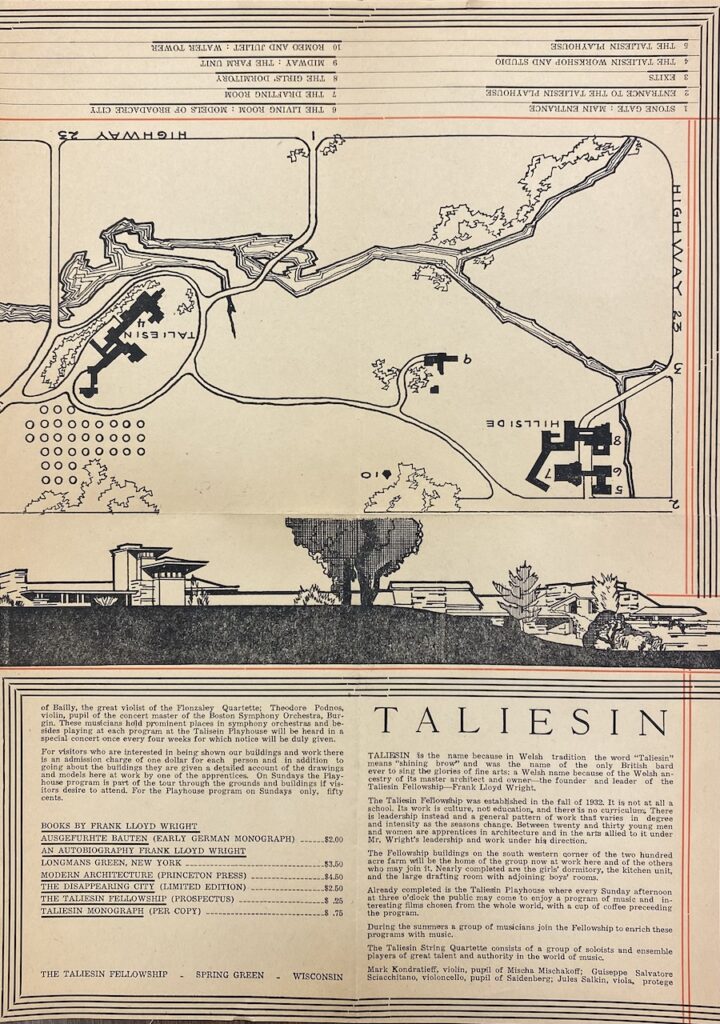
The newly organized and cataloged William and Gertrude Bernoudy Collection offers a first-hand look into experiences at the Taliesin Fellowship. In 1932, the first Taliesin class was inaugurated—about twenty-five apprentices going to live, work, and study under the authority of Wright. William Bernoudy was a part of this class, using his inheritance to apply and pay the over $1,000 yearly tuition.
The William and Gertrude Bernoudy Collection in WashU’s Special Collections includes a selection of Taliesin materials, including promotional items, correspondence, photographs, writings, and a diary of William’s created during his apprenticeship. Collection materials shed light on how Wright’s philosophies and the Taliesin lifestyle impacted the cohort of fellows, Bernoudy, and his architectural career.
Wright instilled in his fellows the idea that laziness and complacency were the worst traits a person could embody. Apprentices evaluated themselves in the image of these ideals through public addresses on topics such as “self-expression” and “purpose.” On September 12, 1934, Bernoudy wrote in his diary, “I have never given myself completely to anything I have ever done—I must. I have always said wait. I cannot wait any longer if I am to develop into the individual I should like to be. I have failed first of all because I have not been true to myself, secondly because I am selfish, and thirdly because of an inherent physical handicap, laziness. It is a lassitude that struggles against all of my aspirations.”
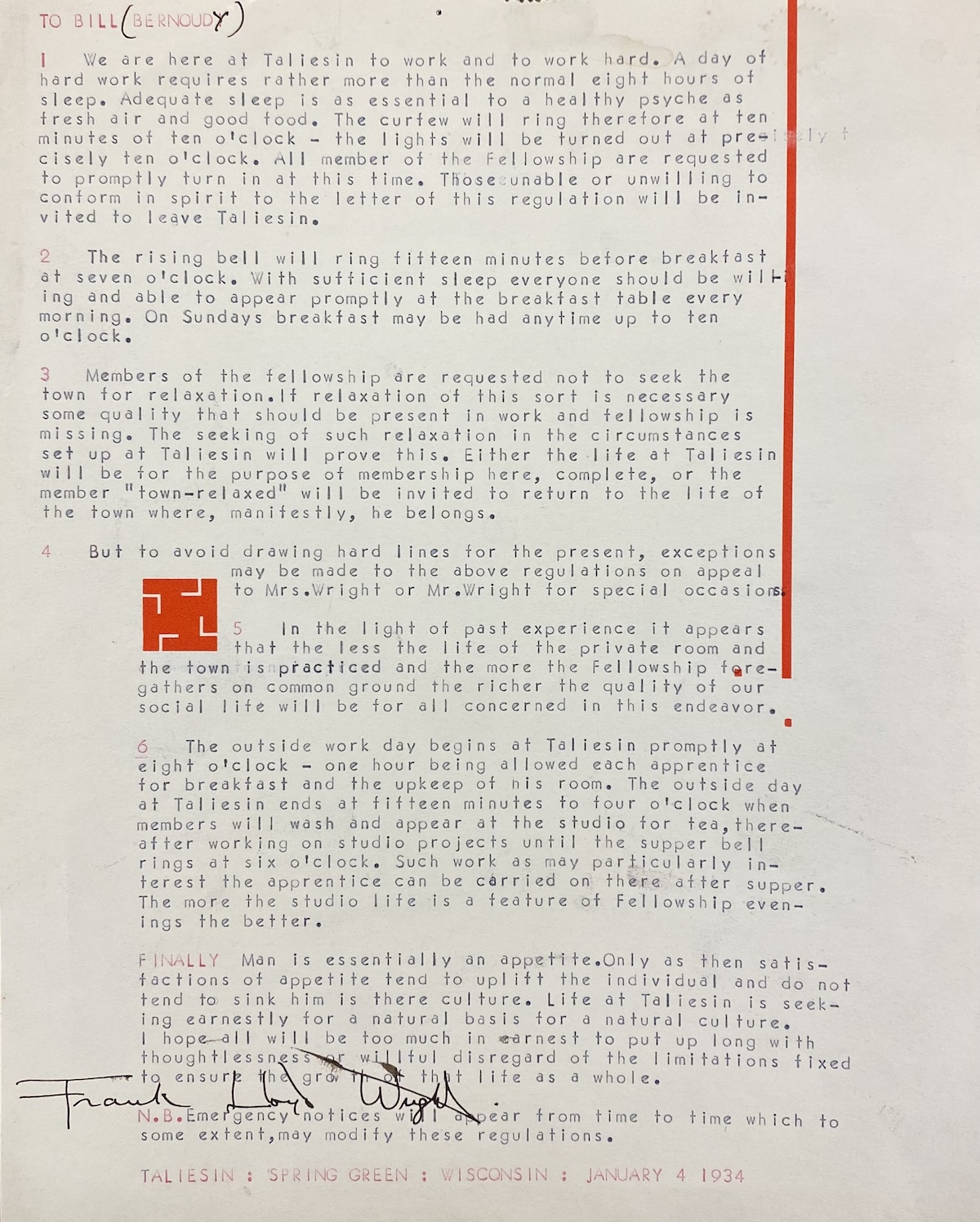
Correspondence in the collection also provides a window into how the fellows experienced Taliesin. On the “Taliesin Playhouse”—a Sunday program where music and films were shown to the public—fellow Edgar Tafel said in a letter to Bernoudy, “…It begins to seem as if the world is interested in us. But then we had a show Sunday—’The Road to Life,’ and at 50-cent admission, there wasn’t one paid outsider. The picture was fair—all propaganda, and coffee was served after the performance. Mrs. Wright poured” (November 28, 1933).
Even as an apprentice, Bernoudy felt the value of his time at Taliesin deeply. In his diary on June 22, 1934, Bernoudy writes, “Work is my only salvation these days, yet somehow these very days I think will mean a great deal to me. It seems to be the kind of chaos from which something new and stronger will issue.”
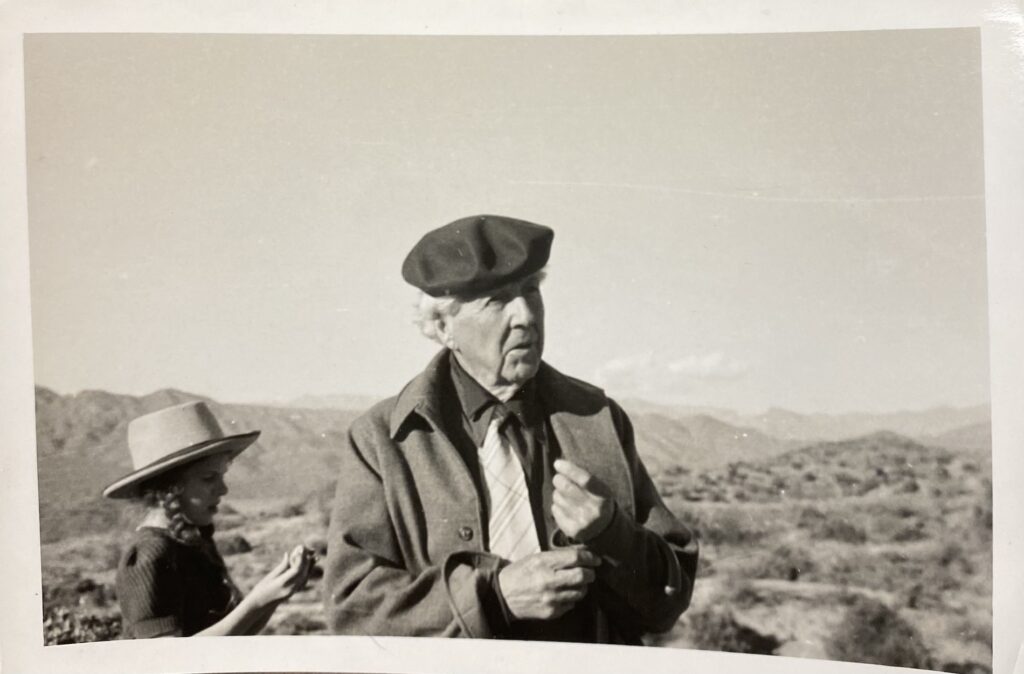
Bernoudy remained at the fellowship for just under three years, forming bonds that persisted throughout his lifetime. Collection materials show that Bernoudy and Wright maintained close contact; around 1950, Bernoudy traveled to Taliesin for the holidays, and Wright visited Bernoudy in St. Louis.
It is clear that Wright’s teachings impacted Bernoudy’s design aesthetic and methodologies. Design elements, such as deep roof overhangs, were used to mitigate environmental factors like heat and cold without implementing mechanical systems. Brick, wood, and glass were used in their untreated forms to highlight the beauty of raw materials. Landscapes and interiors were designed to work in harmony.
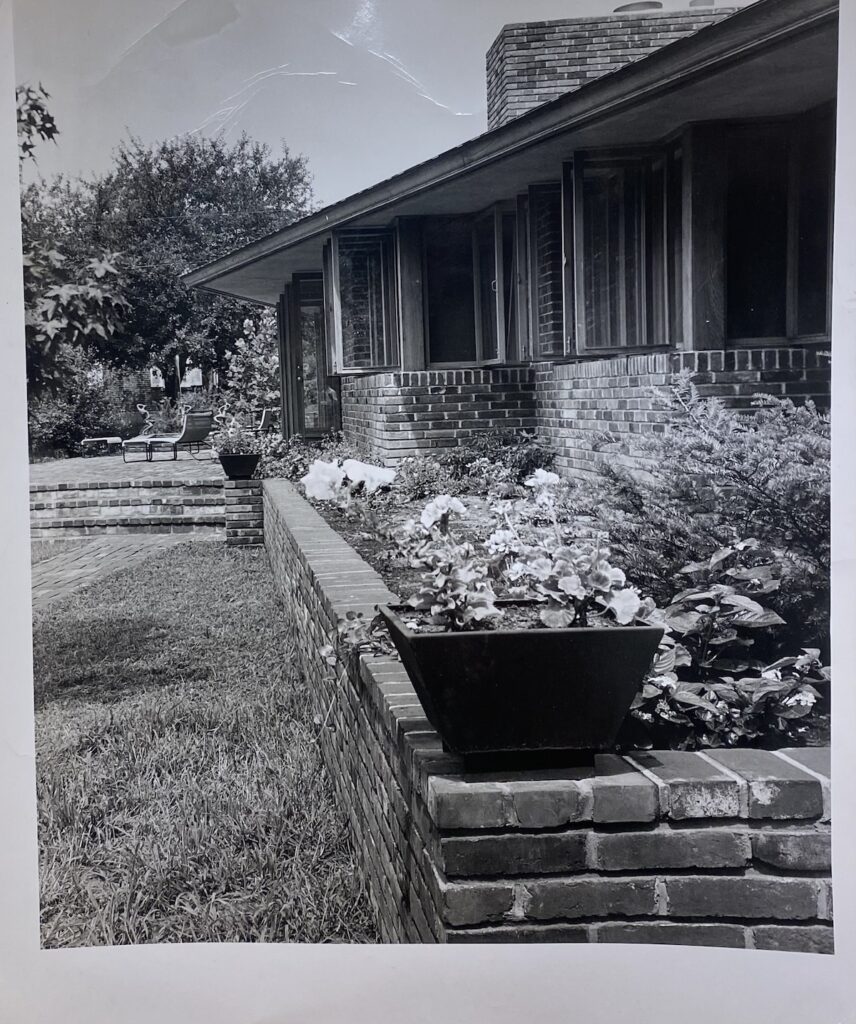
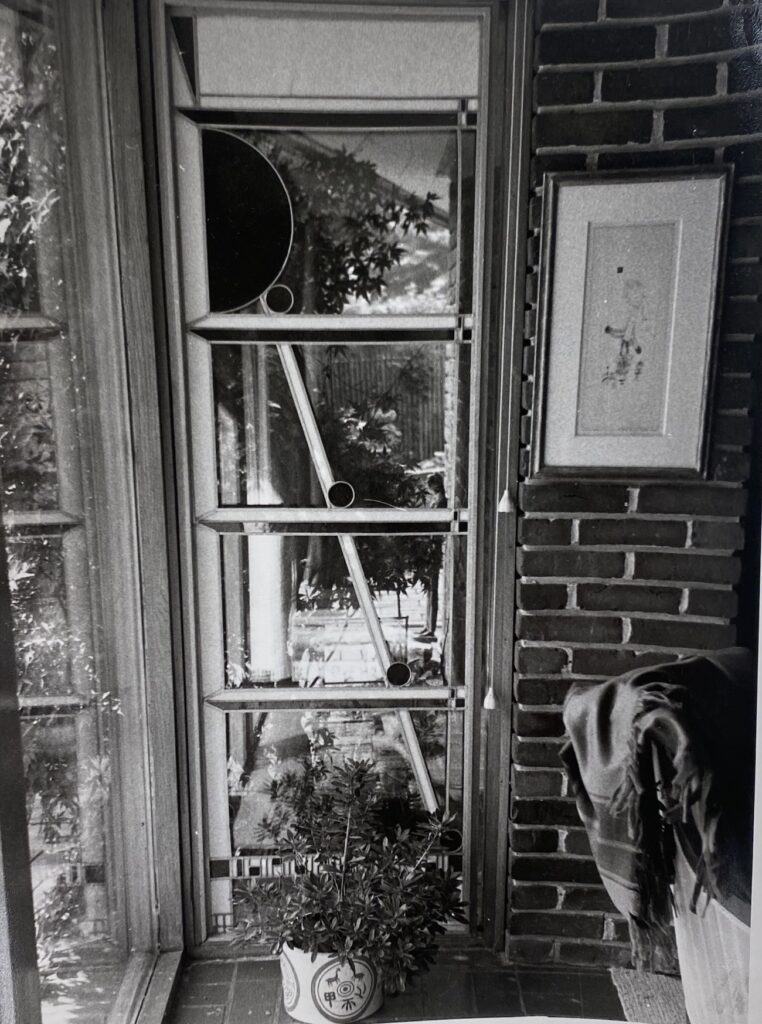
Bernoudy was also known for consulting in-depth with his clients and designing custom architectural details for them. In an interview given to St. Louis Home Magazine in March 1987, Bernoudy is quoted as saying, “Residential architecture is sort of undeveloped psychiatry. It’s my business to interpret what you really want. You can show me pictures all you want, but it’s my business to put it together.” This sort of inventive design finds its roots in Wright’s Taliesin teachings. In a 1946 address on the Taliesin Fellowship to WashU’s Scarab Honor Society, Bernoudy states, “When visitors criticize the workmanship about the place as they sometimes do, we explain that our efforts have gone into carrying out ideas to determine their effect and that attention has not always been given to detail that would be attended in a finished job… The essence of [Taliesin’s] existence demands experimentation and activity.”
The William and Gertrude Bernoudy Collection consists of thirty linear feet of archival materials, including personal diaries, letters, photographs, and artifacts, along with sixty-two folders of architectural drawings for Bernoudy’s many residential and commercial projects. Work to digitize the collection will occur throughout 2026, but interested researchers can view the physical collection with advance notice by contacting the Julian Edison Department of Special Collections. The collection inventory is available online through ArchivesSpace.
The organization, cataloging, and digitization of the collection is generously supported by the Gertrude and William A. Bernoudy Foundation.

- Name
- Liz Shuga
- Job Title
- Architectural Collections Processing Archivist