
New Grant to Preserve Documentary from the Kartemquin Films Collection
The Women’s Film Preservation Fund (WFPF) has awarded WashU Libraries a grant to preserve the short film All of Us Stronger, made by Kartemquin Collective member Susan Delson.
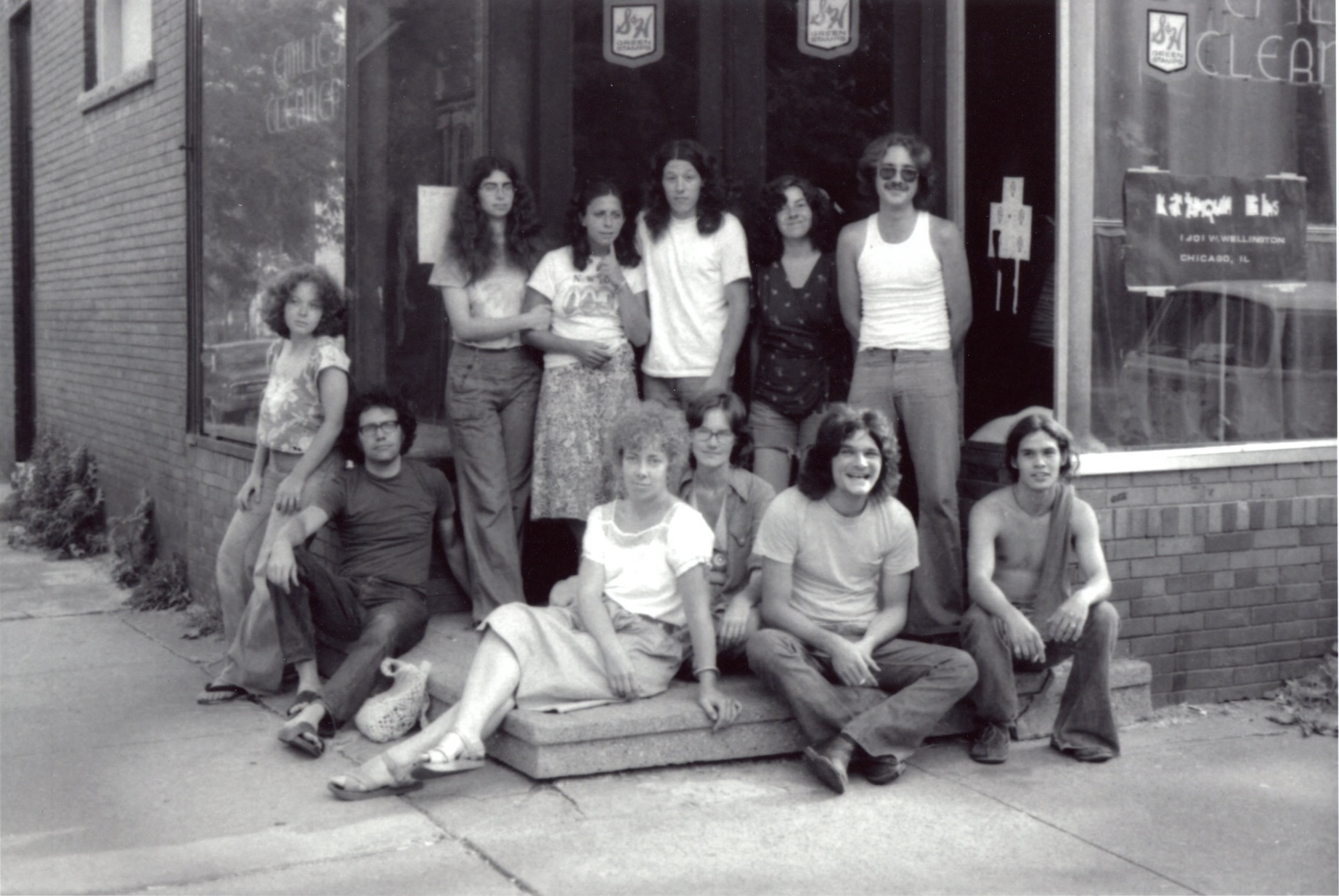
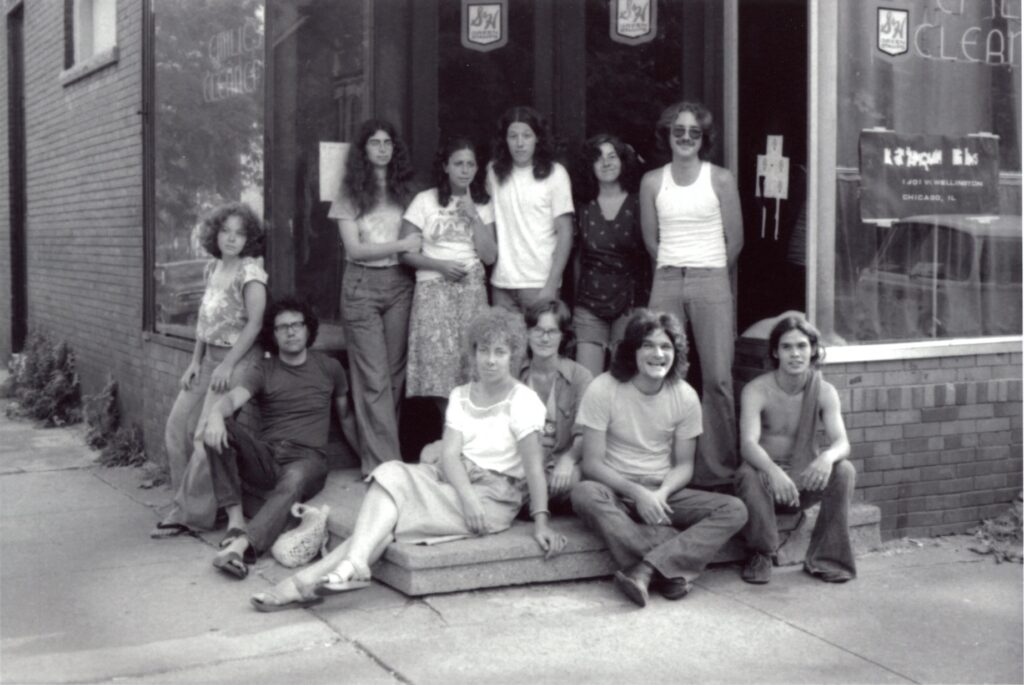
Kartemquin Films was started in 1966 by University of Chicago graduate Gordon Quinn and others, inspired by a sociological approach to documentary films. During the mid to late 1970s, Kartemquin became more politically focused in its filmmaking and how it was run.
During this era, known as its collective period, Kartemquin included professional and nonprofessional filmmakers, sought to bring women into the previously all-male space, and decided what topics to cover by group consensus. Often, films from this era are credited to Kartemquin as a whole and not individual filmmakers. Delson joined during this time.
In 1974, Kartemquin Films released the short documentary Now We Live on Clifton, which follows a working-class family dealing with gentrification in Chicago’s Lincoln Park neighborhood. One short scene depicts a woman’s self-defense class taught by the older daughter, Roxanne.
Susan Delson, co-director of Now We Live on Clifton, made All of Us Stronger out of the additional unused footage of that scene. She added voice-overs from women who share their experiences of being assaulted by men, and how learning Karate gave them the power to fight back on physical, mental, and political levels.
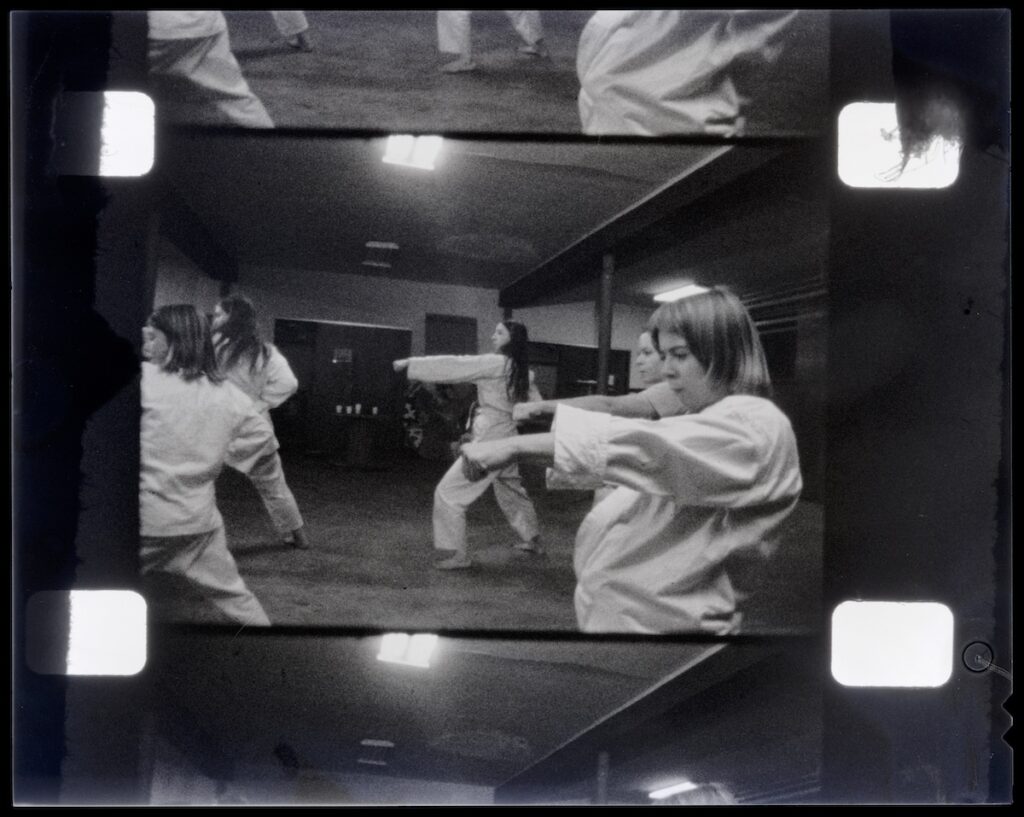
The film is a fantastic example of how the women’s movement used cinema as an activist tool. While the Kartemquin filmmakers were well-versed in feminist and political theory, the content of the film depicts the everyday adoption of feminist approaches to achieving gender equality. The young women teaching and attending the class lived in a multiracial working-class neighborhood in Chicago. Through learning Karate for self-defense, these women began to connect the personal to the political.
In a 1981Cineaste article titled “The Art and Politics of the Documentary,” All of Us Stronger is included in a list of Kartemquin’s better known works like The Chicago Maternity Center Story (1976) and Taylor Chain (1980). While those two films, and the rest on that list, have been widely available for decades, Delson’s has not. It has never even been digitized.
This grant will rectify this omission from Kartemquin’s oeuvre and will make the film available again for the first time since the early 1980s. It will also preserve the work of Delson as a solo filmmaker.
WFPF, founded in 1995, is dedicated to preserving the cultural legacy of women in the industry by preserving films made by women. This grant pays for creating new photochemical preservation elements and projection prints, which, as they will be on polyester stock, should survive for centuries. The grant also covers the cost of digitizing these titles, which will allow the Libraries to make them widely available to all.
After the completion of this grant, the newly created film prints will be available for public screenings, and digitized versions will be placed online for streaming.
- Name
- Lydia Creech
- Job Title
- Curator of Film & Media