
Exploring Design in Scandinavian Countries
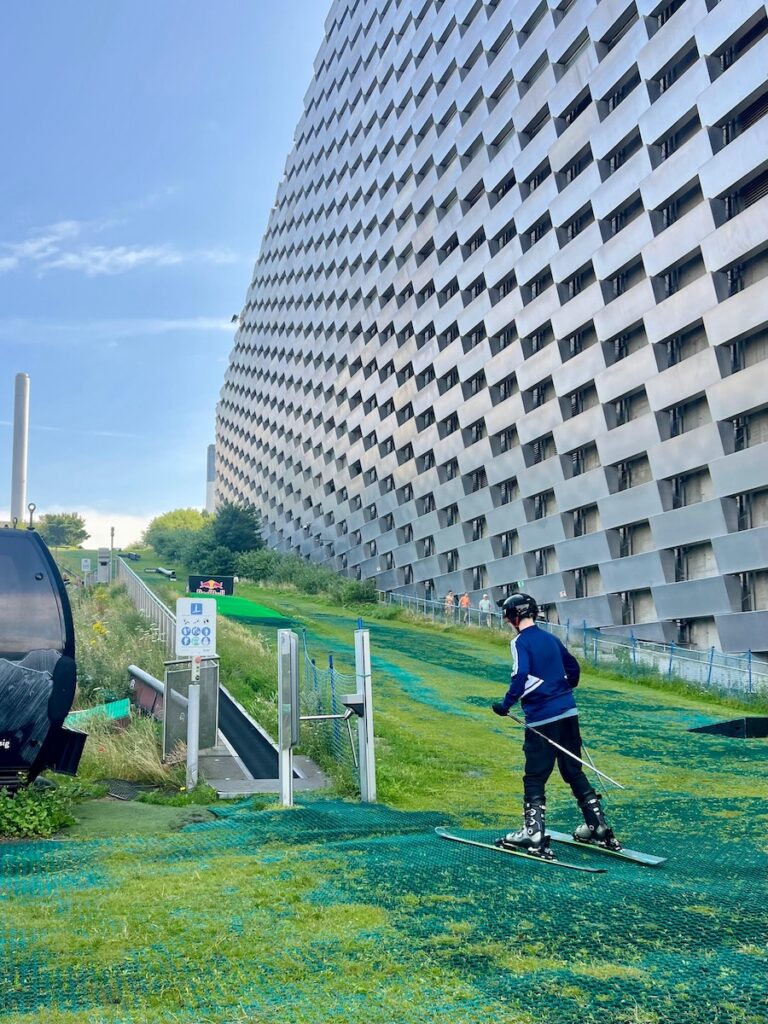
This summer I watched people ski down a power plant.
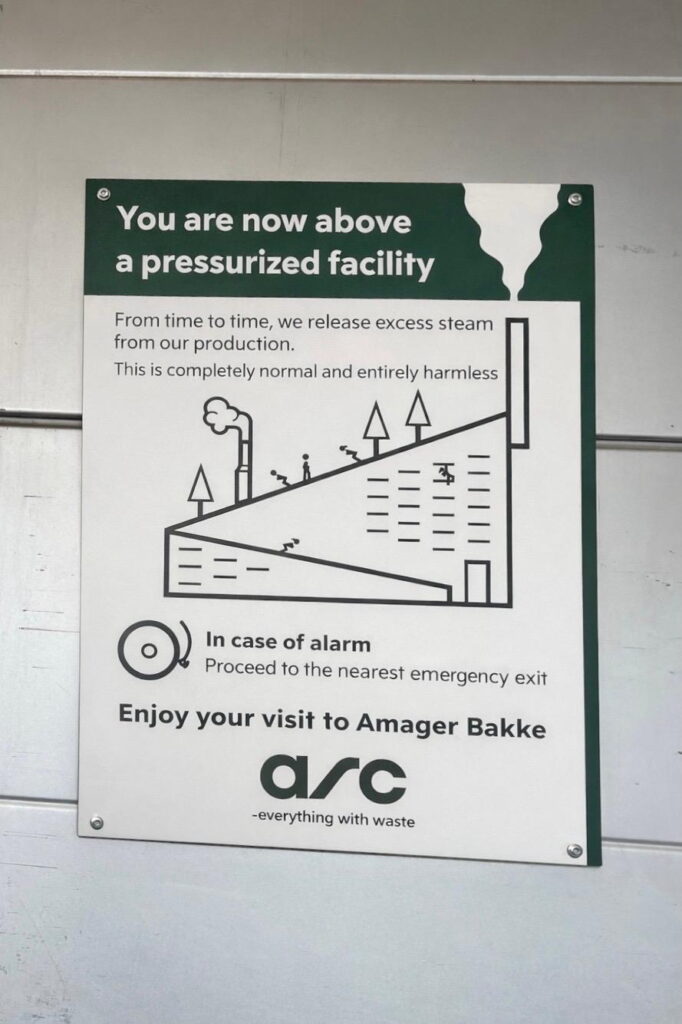
Copenhagen is not a ski town. In fact, you won’t find mountains or alpine conditions anywhere in Denmark. Yet this summer, in the heart of the city’s industrial district, I watched skiers, climbers, and hikers all occupying the same roof of a waste-to-energy power plant. CopenHill, Copenhagen’s tallest mountain, functions simultaneously as a power plant, ski slope, hiking trail, and the world’s tallest artificial climbing wall. Accessing the plant’s recreational facilities on the roof is free, but on the elevator ride up, every visitor learns about the building’s carbon sequestration, water vapor emissions, and lightweight aluminum facade. This way, visitors both enjoy public amenities and learn more about local design innovations.
CopenHill is a bold and unconventional example of social infrastructure, a term that describes spaces and systems that support everyday social life and center the human experience. Unlike traditional infrastructure, which is often judged by efficiency or output, social infrastructure is understood through use, comfort, and connection. CopenHill’s use of play and public space as a tool for learning reflects broader Scandinavian attitudes toward built environments.
This summer, with support from the Newman Exploration Travel Fund, I traveled to Copenhagen, Oslo, Stockholm, and Helsinki to study the elements that define Scandinavian social infrastructure. Across the four capitals, I noticed three design strategies that make Scandinavian social infrastructure unique: play, movement, and care. This essay explores how I experienced these attitudes in buildings, exhibitions, and even conversations with locals, as well as general takeaways from my trip.
Play
The cities I visited treated play and leisure as a civic right.
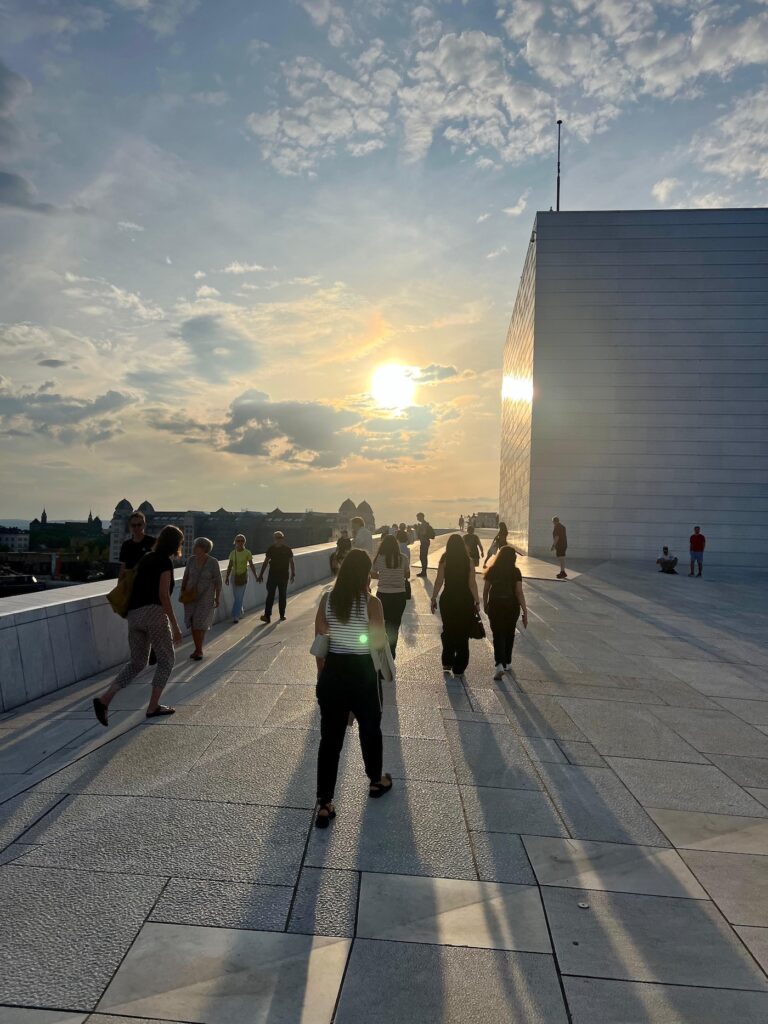
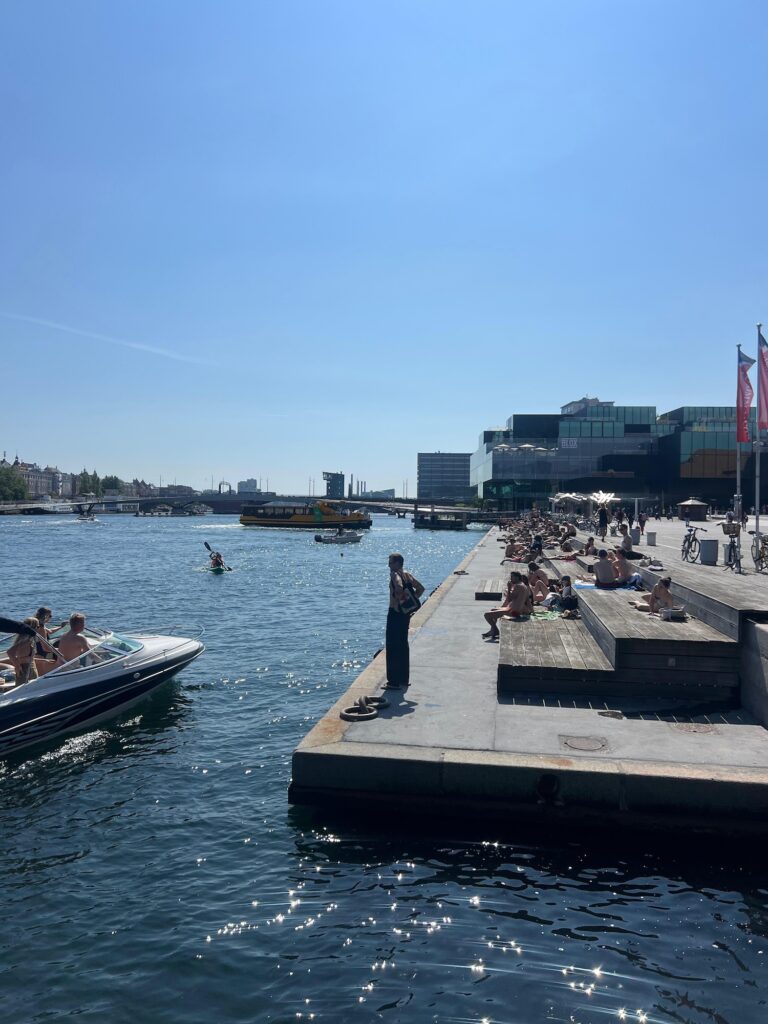
Across the four Scandinavian capitals, I was overwhelmed by the abundance of public and free spaces for leisure in the middle of the city. The Harbor Promenade Project in Oslo refers to these spaces as “Zones for Play.” Developed incrementally over two decades, the promenade reclaimed the waterfront for public use with swimming areas, sunbathing steps, and generous walking paths. The project treated the edge of the city as a zone for play, informed by mapping circulation patterns and interviewing users.
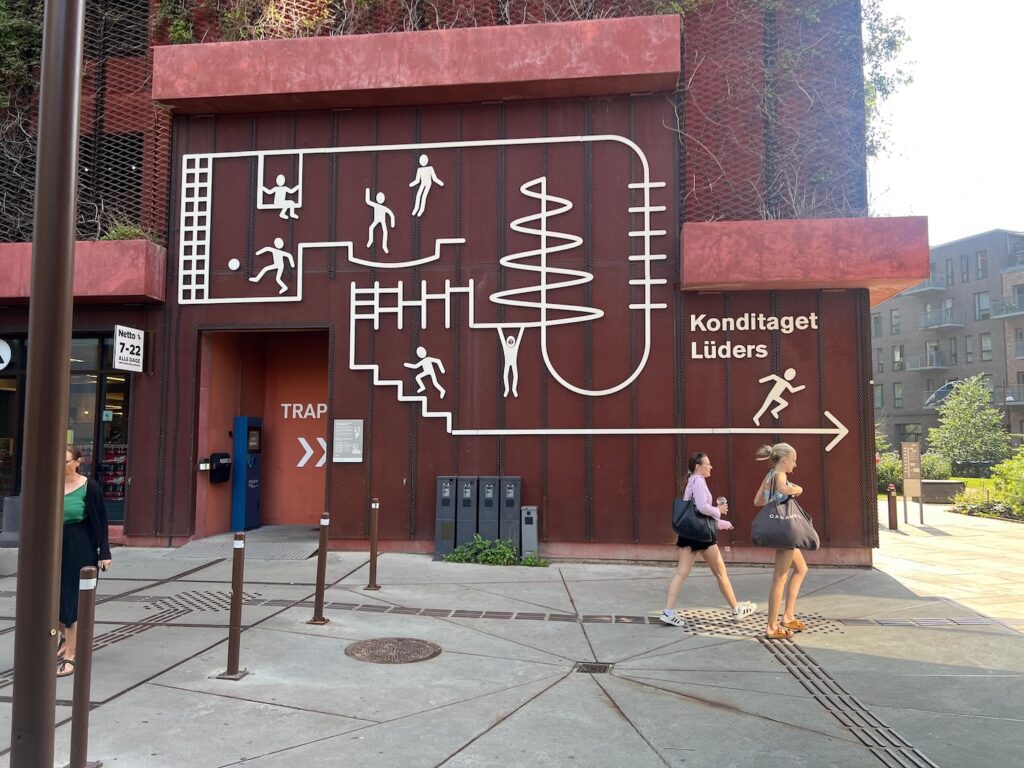
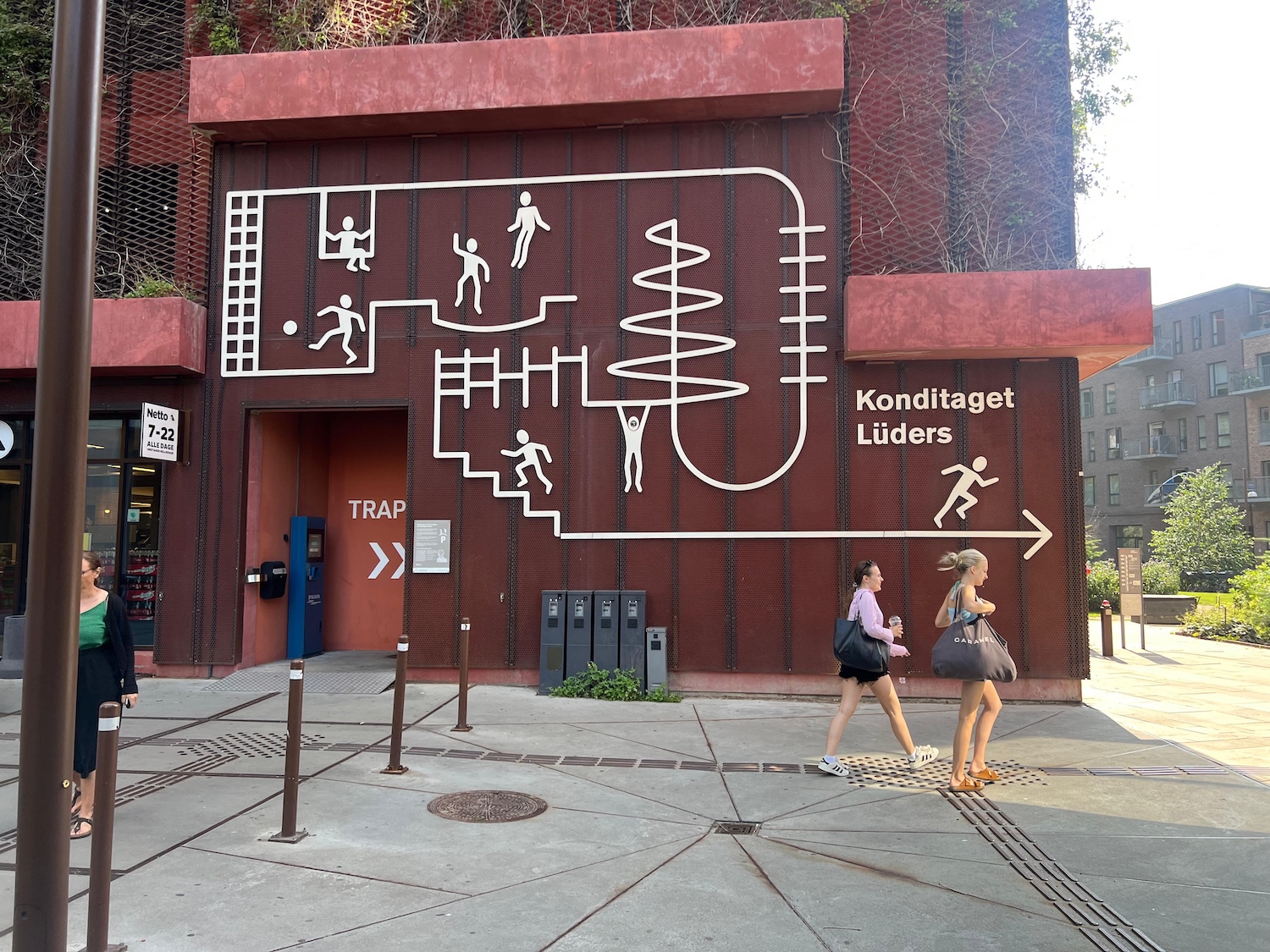
One of my most memorable conversations happened at Park + Play in Copenhagen, an elevated playground built on top of a six-story parking structure. I spoke with a mother named Lena who was there with her child. Families and kindergartens regularly brought children there, even in winter. Then she pointed out something I never would have noticed on my own. At the bottom and top of the long staircase was a buzzer. She explained that local CrossFit athletes raced up the stairs, hit the buzzer, and compared their times. The playground was not only for children. It had been quietly adopted by entirely different groups, each finding its own way to play.
Movement
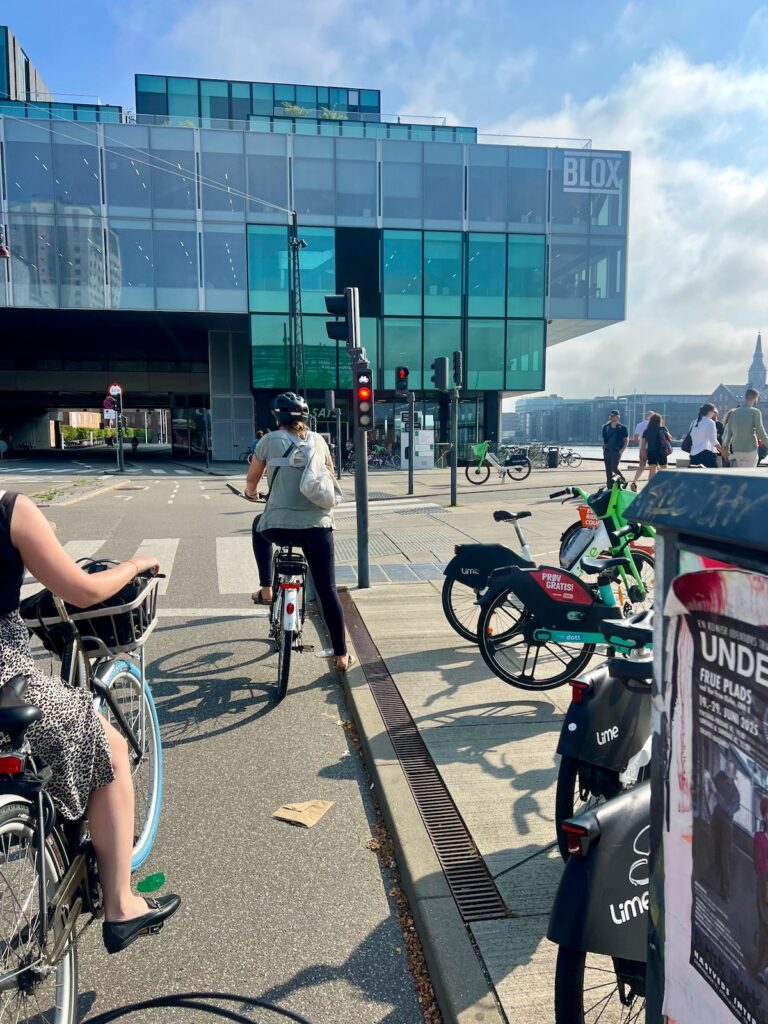
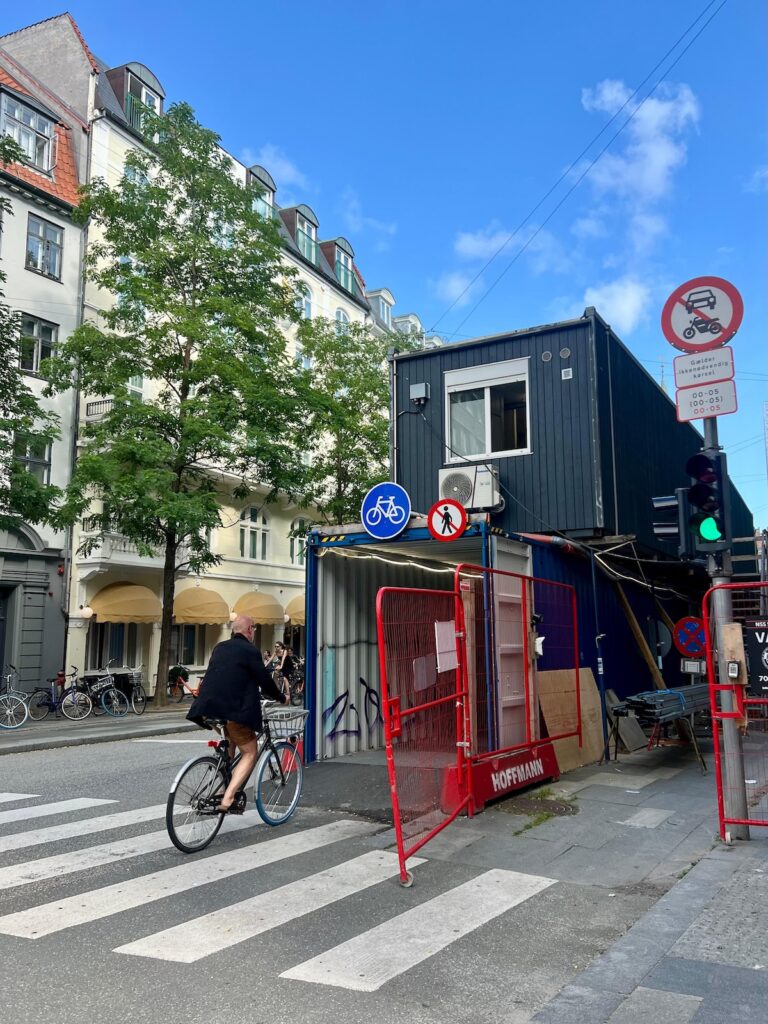
Movement across these cities felt fundamentally different from the car-oriented environments I was used to. Copenhagen, in particular, comes alive on a bike. I rented a bicycle every day and could reach any part of the city within twenty minutes at a relaxed pace. What struck me most were the small details of the cycling infrastructure: Footrests at intersections so riders could wait without dismounting, and traffic lights timed to the average speed of bicycle travel rather than cars. A personal highlight was the Cykelslangen, a raised, ribbon-like bike path weaving calmly through canals, roads, and shopping centers.
Care
People care deeply about the spaces they live in that care for them.
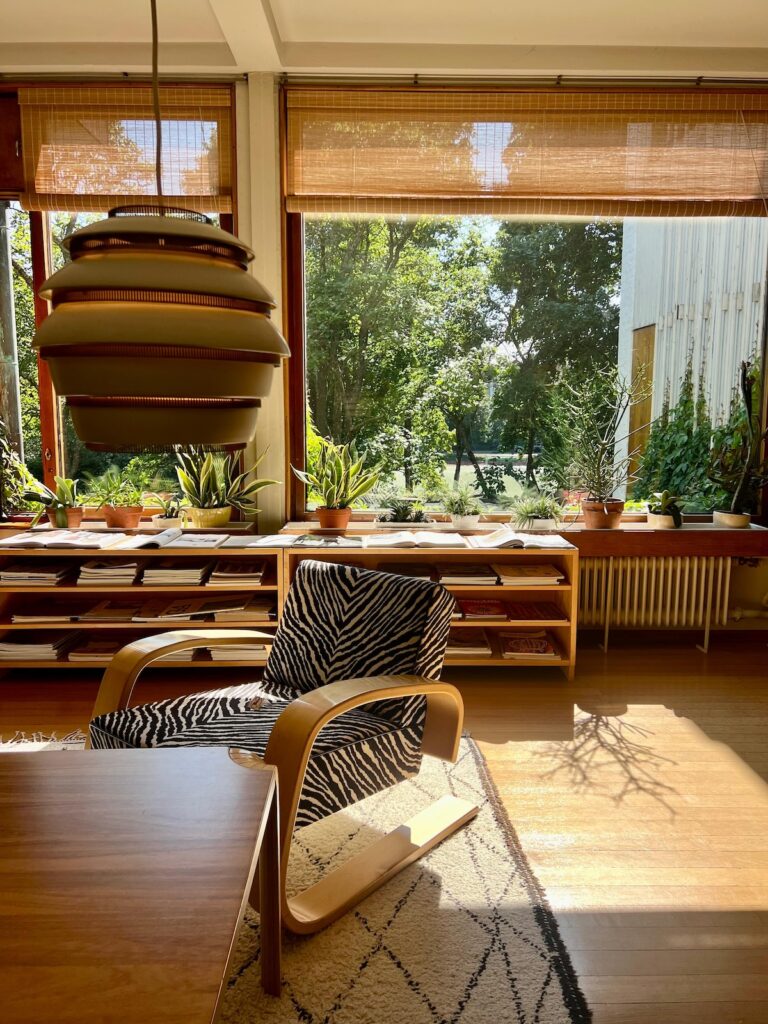
In Helsinki, care for architecture was impossible to miss. Finnish architects are treated as cultural figures, and the city feels like a walkable archive of design history. When I told people I studied architecture, conversations opened immediately. Alvar Aalto and Aino Aalto, whose home I visited and fell in love with, are revered for their human-centered modernism and attention to light, material, and everyday life.
In Stockholm, I encountered a different but equally powerful expression of care at the free Moderna Museet. Alongside exhibitions on urban development and architecture, I spent hours in the Design Motherhood exhibition, which explored the overlooked design of childbirth, maternal care, and child rearing. It reframed care as a design problem and an architectural responsibility, extending the idea of social infrastructure beyond streets and buildings into lived experience.
You Care about Architecture
People often tell me they do not understand architecture or care much about it. Yet throughout this trip, I talked to so many people about their built environments and shared spaces. People complained about new urban developments, praised the city’s approach to public spaces, and expressed fears. They talked about their own homes and others, about their experiences with built spaces, at small scales and at large ones, but no one was apathetic.
Scandinavian cities demonstrate that when play, movement, hybridity, and care are treated as essential design principles, public life flourishes. Architecture does not need to shout to be meaningful. It needs to listen.

- Name
- Maggie Coleman
- Job Title
- Architecture major at the Sam Fox School of Design & Visual Arts