
Dos and Don’ts of Book Handling
Over the course of a day, the WashU Libraries are frequented by thousands of people–faculty, students, and alumni, to name a few. These people, and not just library staff, are responsible for the general well-being and stewardship of library materials inside and outside the library. The following Dos and Don’ts of book handling and other resources will help keep the items in use longer and, in turn, keep costs down, allowing us to add to the ever-growing Libraries’ collections.
Book Removal
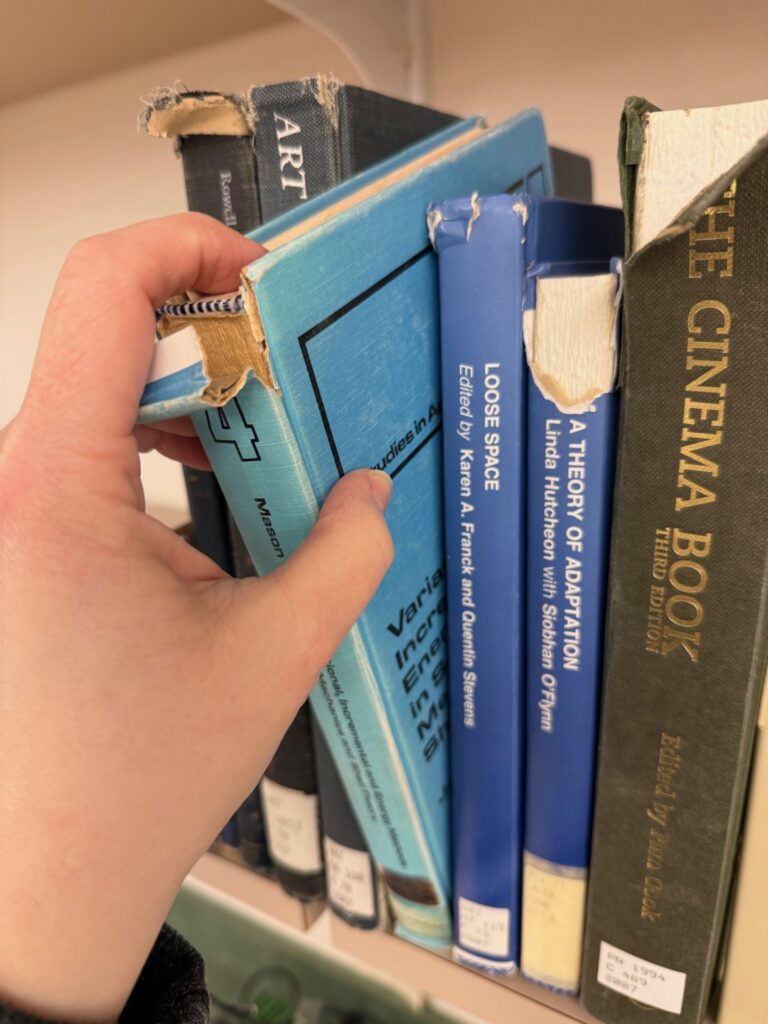
Do—Remove a book from a shelf by the entire spine with a pinching grip. If necessary, move the items on either side back slightly so you can grasp the book firmly.
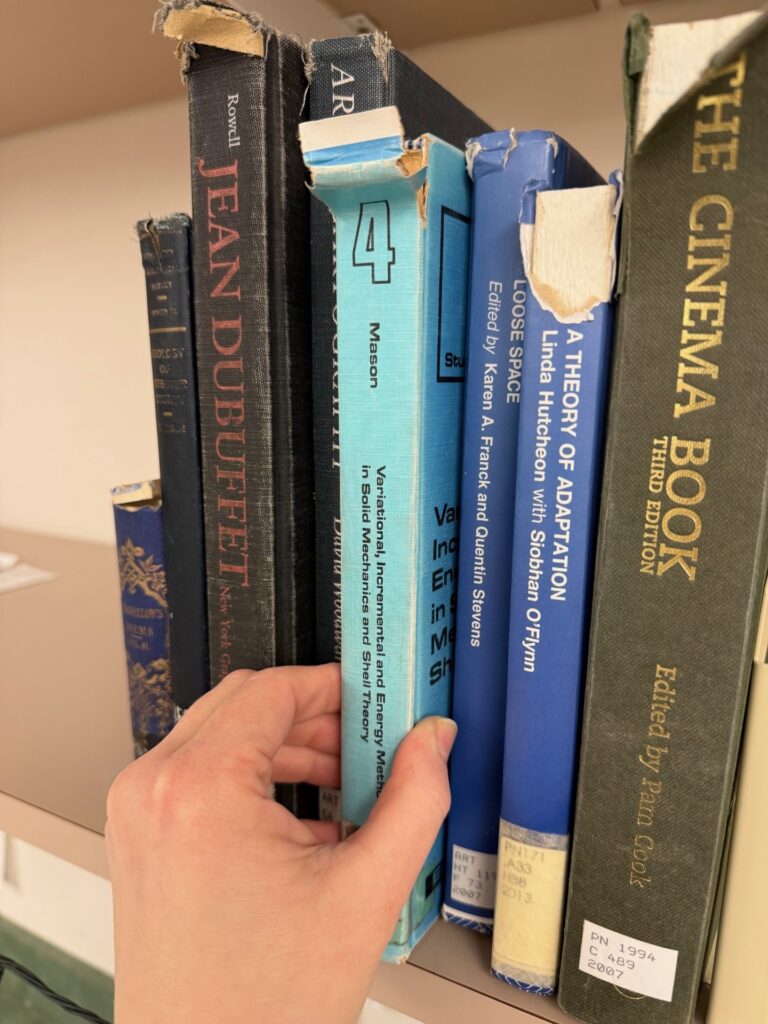
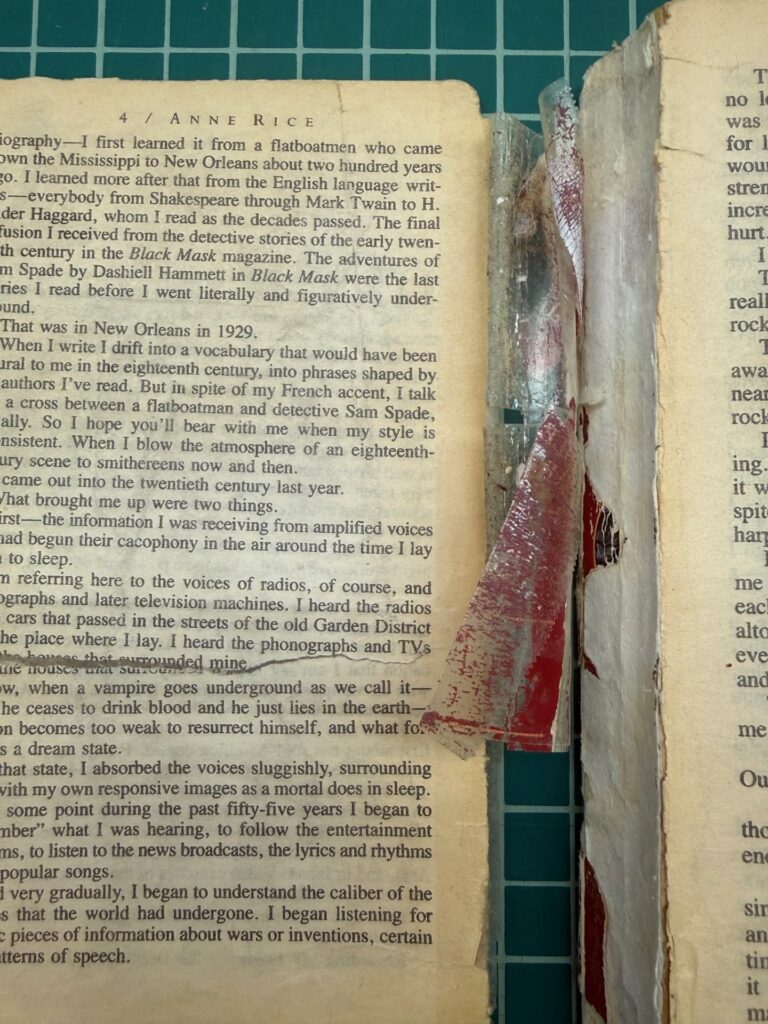
Don’t—Pull a book from a shelf by tilting it forward by the top part of the spine. As you can see in the pictures, over time, this causes the endcap (the top part of the spine) to tear, and it can also damage the text block (the part of the book that contains the text).
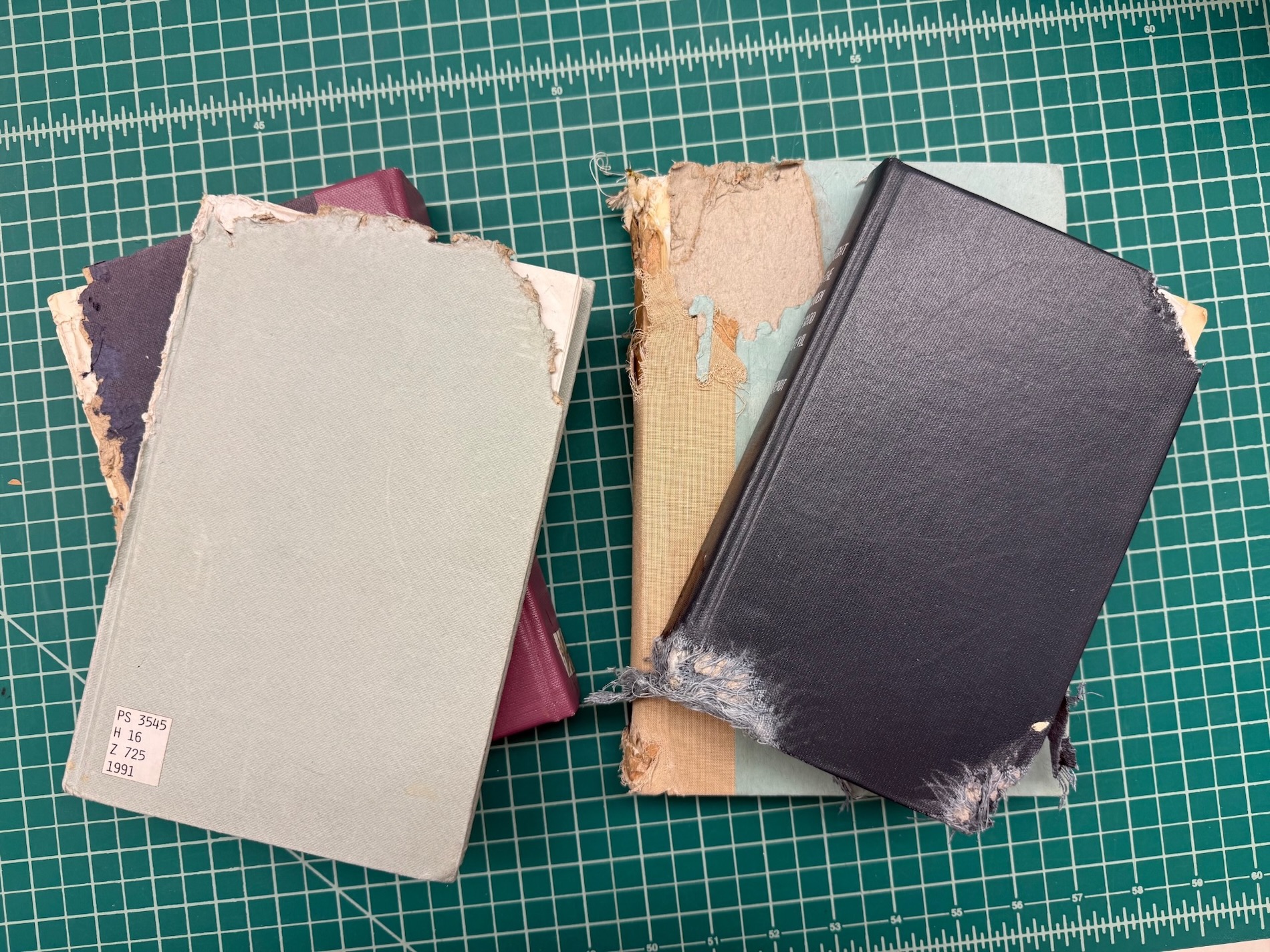
Tears, Rips, and General Destruction
Do—Keep books in a safe environment, away from potential threats such as animals, young children, or the outdoors. If a book gets damaged, inform a member of library staff as soon as possible. Most of the time, things can be repaired, and if not, they can normally be replaced.
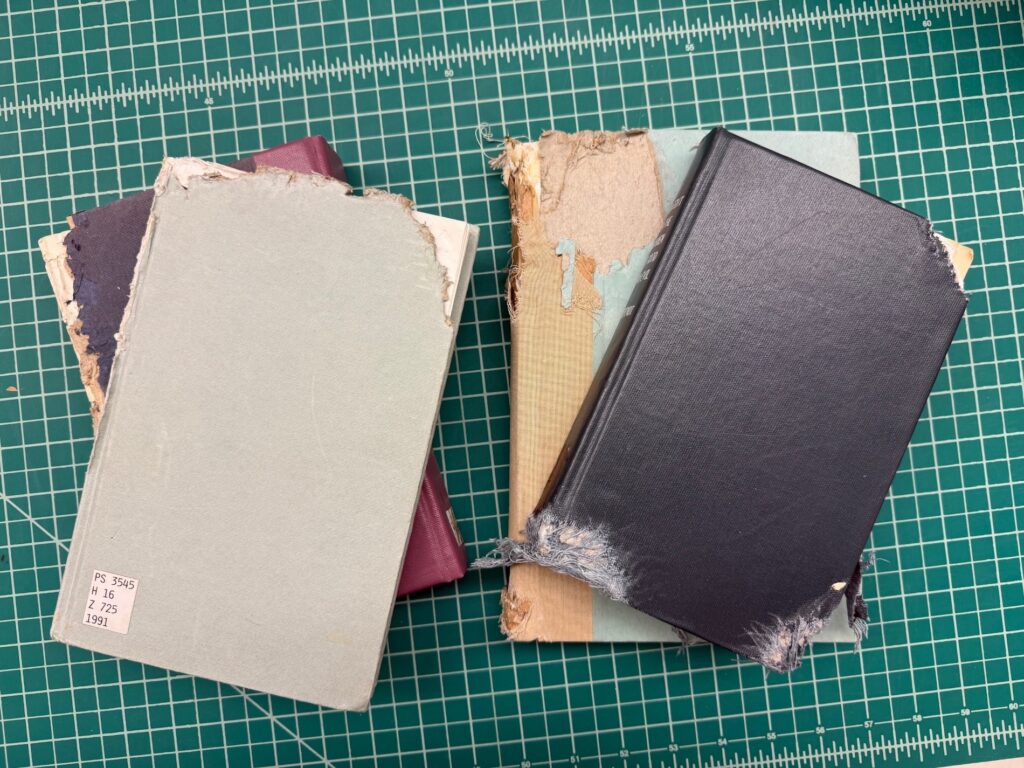
Don’t—Try to repair on your own. This is best left to the professionals; they know the best methods to safely repair items that won’t cause more damage in the long run.
Annotating
Do—Take notes on your own paper, or if you simply must mark in a book, purchase a copy of your own.
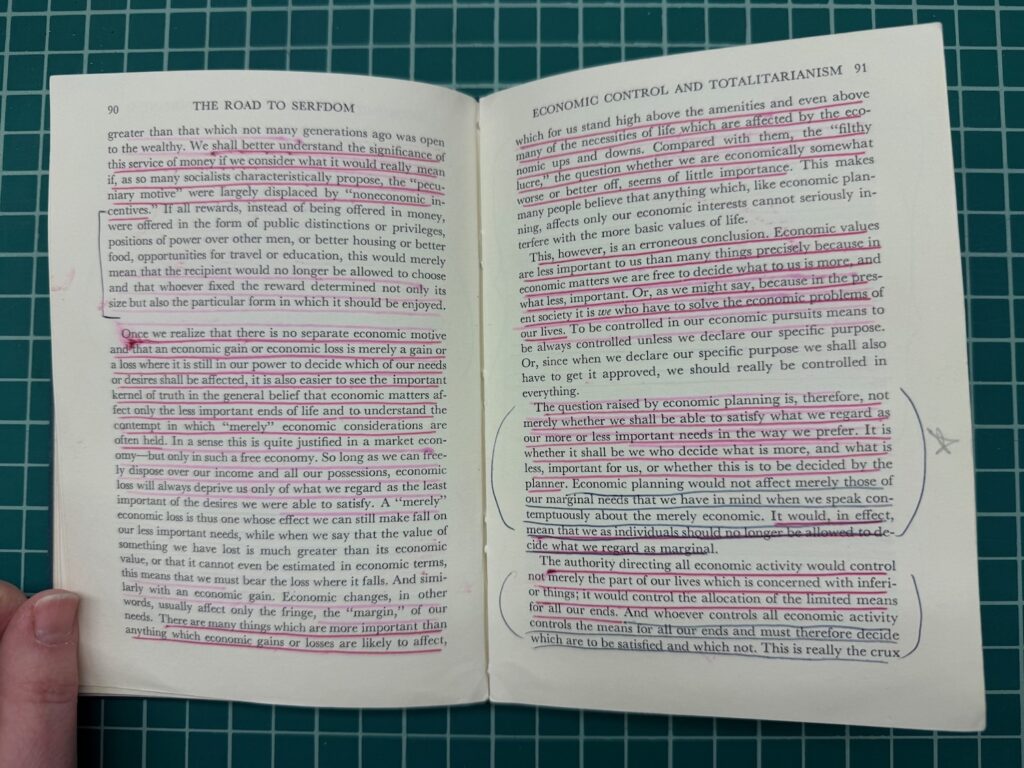
Don’t—Use pencils, pens, highlighters, or sticky notes to mark information. Pens and highlighters in particular can bleed through pages, and Post-its leave sticky residue.
Food/Beverages
Do—Try to take snack breaks away from books in order to keep them from getting damaged. If you accidentally get food or liquid on a book, inform a library employee and make sure to tell them what substance got on the pages—this can help them determine how to fix it.
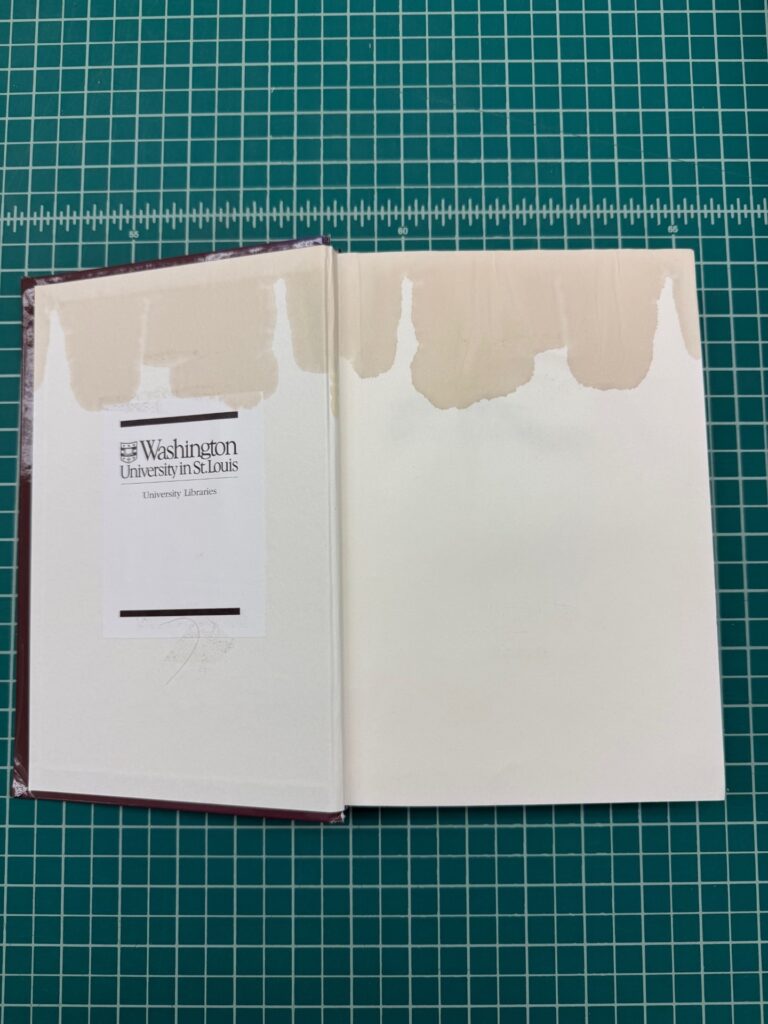
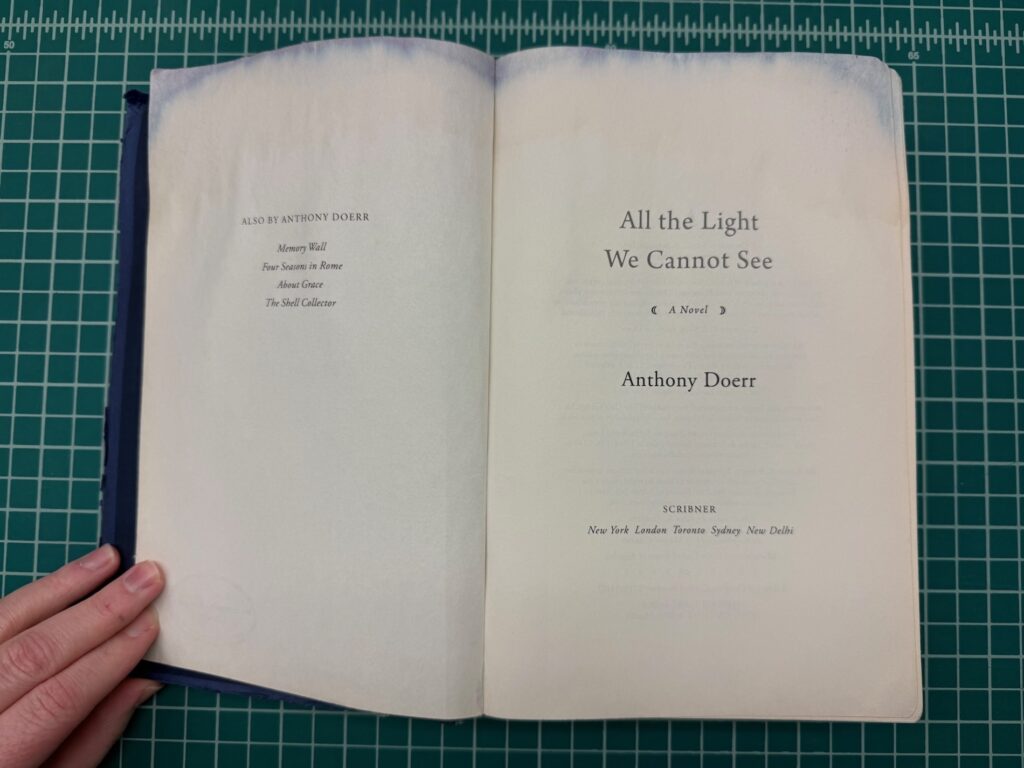
Don’t—As a general practice, eat or drink around library books. Liquids can stain or warp pages, and food can stain or leave crumbs in the pages, which can attract pests like roaches, mice, or silverfish.
Copying Book Pages
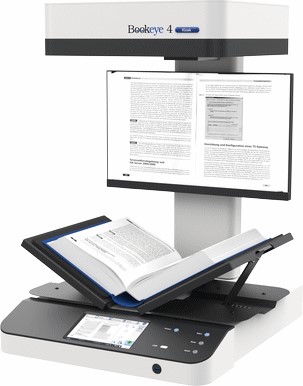
Do—When at all possible, use a v-cradle scanner to copy book pages. The Libraries have two such KIC Bookeye overhead scanners available – one adjacent to the Olin Library Help Desk on Level 1 and one in the Kranzberg Art & Architecture Library copy room. The Bookeye can scan from a flat surface or a V-cradle, and documents can be saved to a USB drive or emailed.
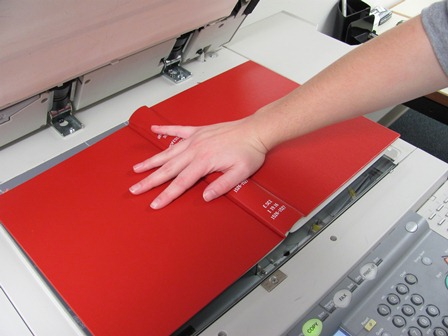
Don’t—Force the book flat on the glass of the copier. Over time, this breaks the spine and damages the text block.
Saving Your Place
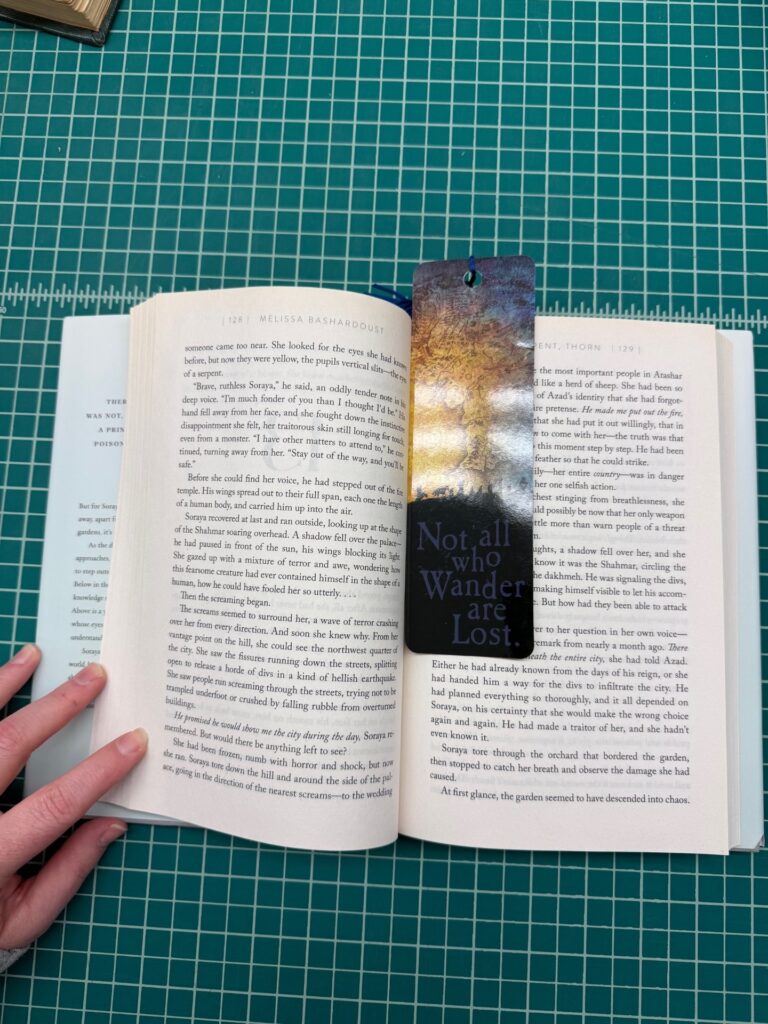
Do—Use a bookmark or piece of scrap paper to mark your place.
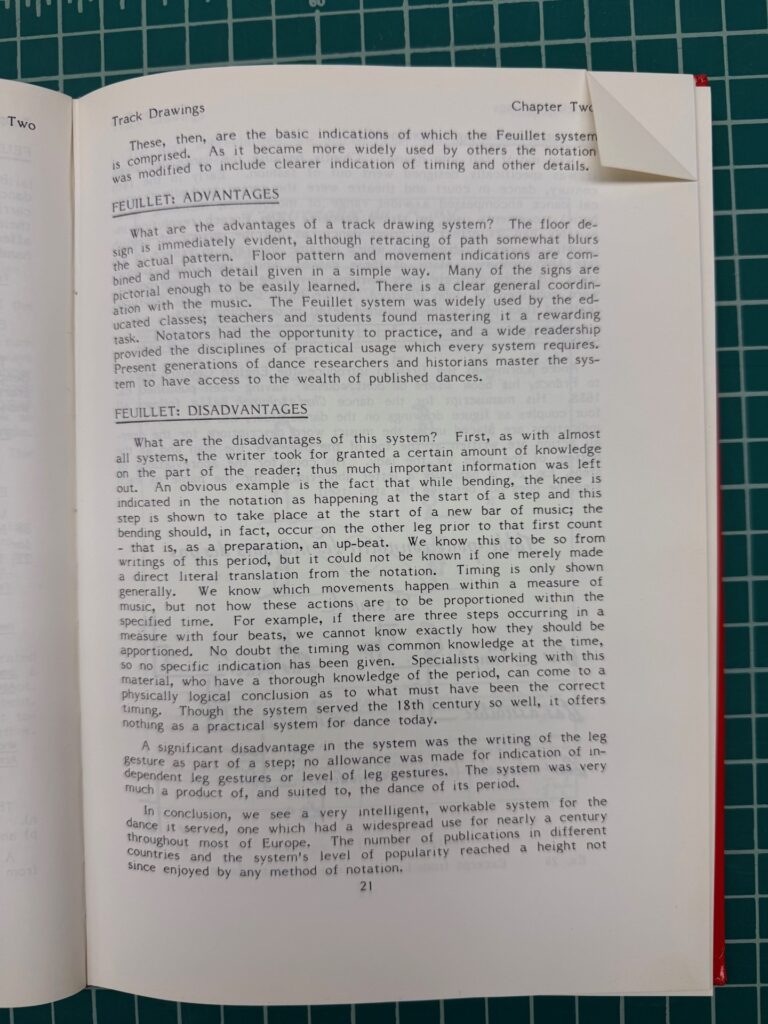
Don’t—Fold a corner to mark your place. Folding pages weakens the paper, and in a brittle book, can cause the folded section to break off entirely.
Handling Special Materials
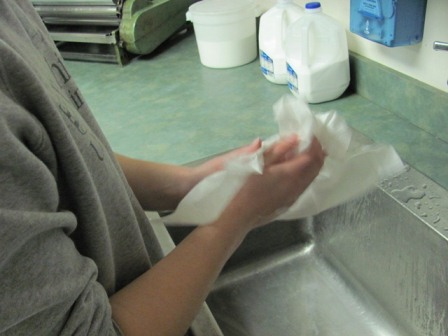
Do—Take special care when using rare or fragile items and wash your hands before handling. Some pieces will be in specially designed boxes or enclosures and should be replaced when you are finished with them. If an enclosure gets damaged, let library staff know so they can get it replaced.
Don’t treat special collections or fragile items like they are for general use.
When utilizing a library, you’re gaining free access to some of the best resources the world can offer. In turn, it is your responsibility to help maintain and keep these materials safe. Since the library is visited by thousands of people, imagine if none of them followed the dos and don’ts of book handling. The cost to repair or replace millions of damaged items would be prohibitively expensive, and the libraries would be forced to start charging exorbitant amounts of money or shut down entirely.
By following the guidelines above, not only will you be a successful steward of library materials, but you will also keep the librarians happy.
And trust me—you wouldn’t want to see them when they’re not.
The Preservation unit’s program provides a range of services to care for collections, including emergency preparedness, environmental monitoring, user education, book repair/conservation, and shelf preparation. If you would like to learn more about the Libraries’ Preservation unit or preservation in general, please explore the webpage.