
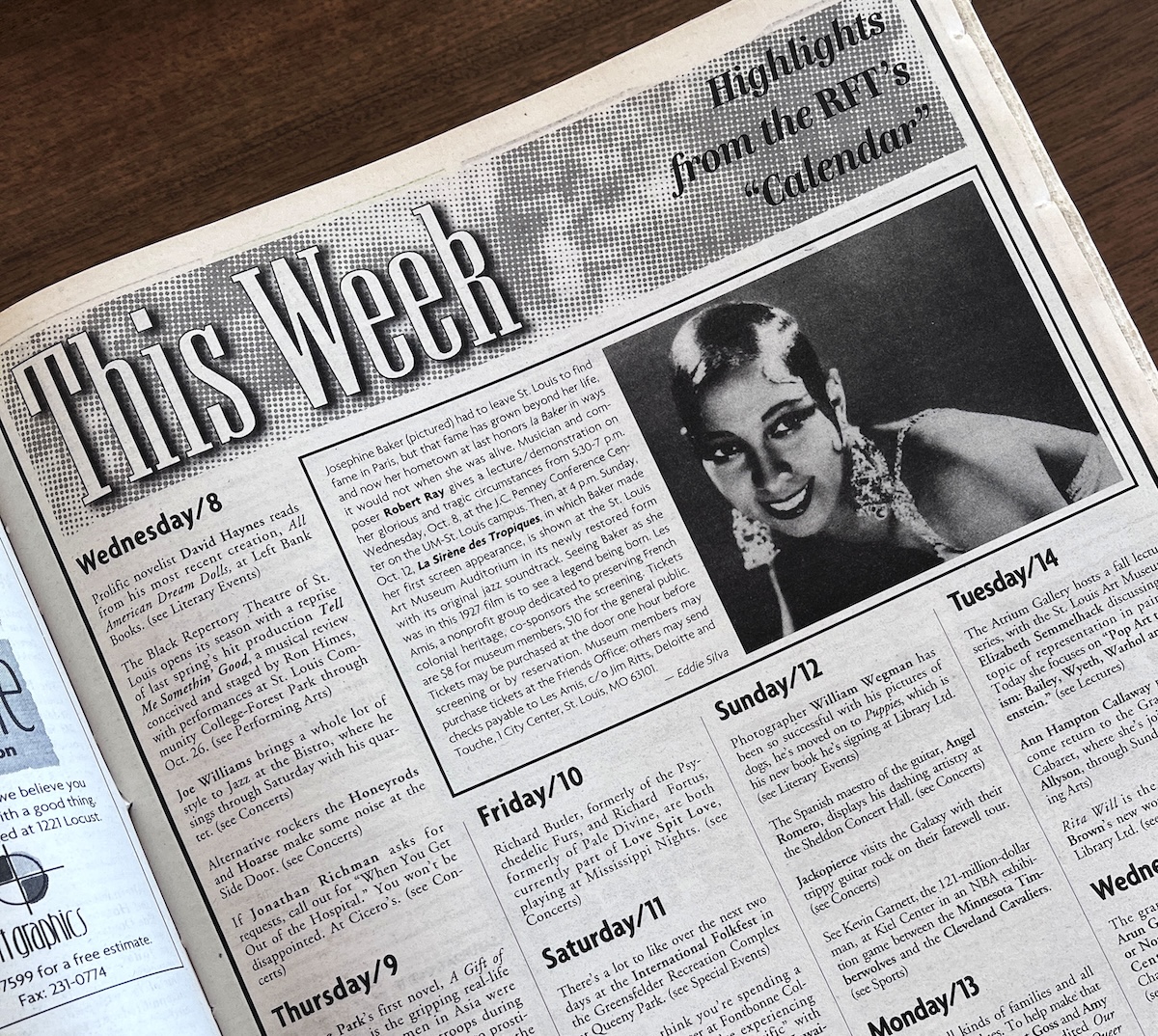
Archiving the Riverfront Times
The Riverfront Times print editions from 1977–2013 are now available to researchers at WashU Libraries’ Department of Special Collections.
In 2024, St. Louis’s long-running alternative weekly the Riverfront Times (RFT) was purchased by an undisclosed buyer who then closed the paper. In the midst of this unexpected news, Miranda Rectenwald, curator of local history, immediately contacted editor Sarah Fenske to see if WashU Special Collections could save the newspaper’s archive. With Fenske’s assistance, Rectenwald coordinated the acquisition of 138 bound volumes of the print edition, spanning 1977 to 2013, along with a small amount of DVDs with digital images.
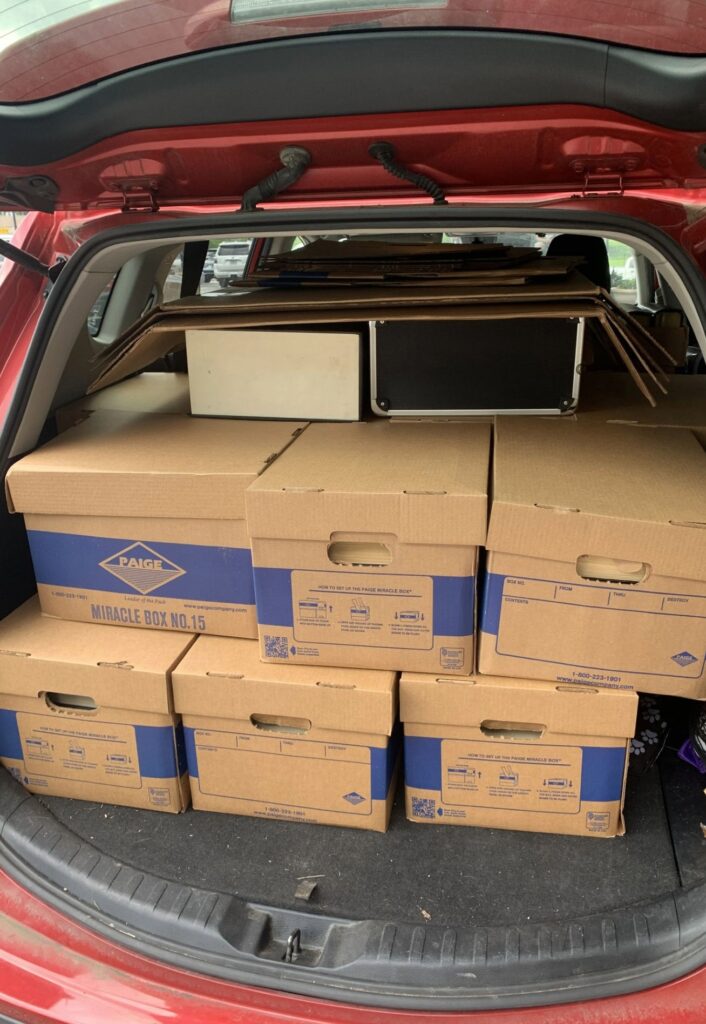
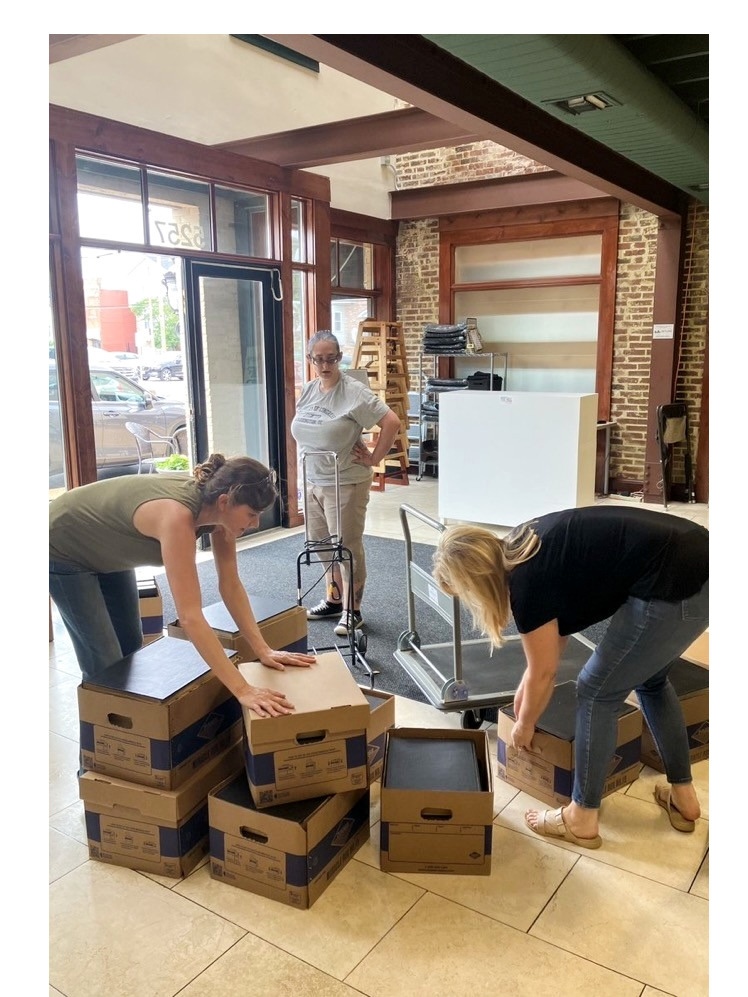
The Riverfront Times Collection print issues are now inventoried and available to researchers.
Acquiring this collection ensures a valuable local history resource is preserved and usable by researchers. Rectenwald notes, “I knew from previously trying to locate a back issue of RFT that the most comprehensive run of issues was at the newspaper’s offices. When I heard the paper was shutting down, I was heartbroken that this treasure might be lost.”
Digital Archives
Rectenwald worked with Sarah Weeks, WashU Libraries’ web and email archive coordinator, to ensure the Riverfront Times website, with issues covering 1998 to May 2024, was digitally preserved via the wayback machine from Internet Archive. These issues can be accessed by anyone and no login is required. Local researchers, Joshua Lawrence and Jaclyn Crow were able to use files saved on Internet Archive to create the RFT Database, “a free, open-access archive of articles that originally appeared on the Riverfront Times website.”
Currently issues from 1977 to 1997 are only in analog-print format. For researchers unable to visit the library, some digitization can be done on request (as staffing time permits; fees vary). Full digitation and online access for the earliest twenty years of publication remains on the Libraries’ wish list for the future.
Snapshot of St. Louis Culture
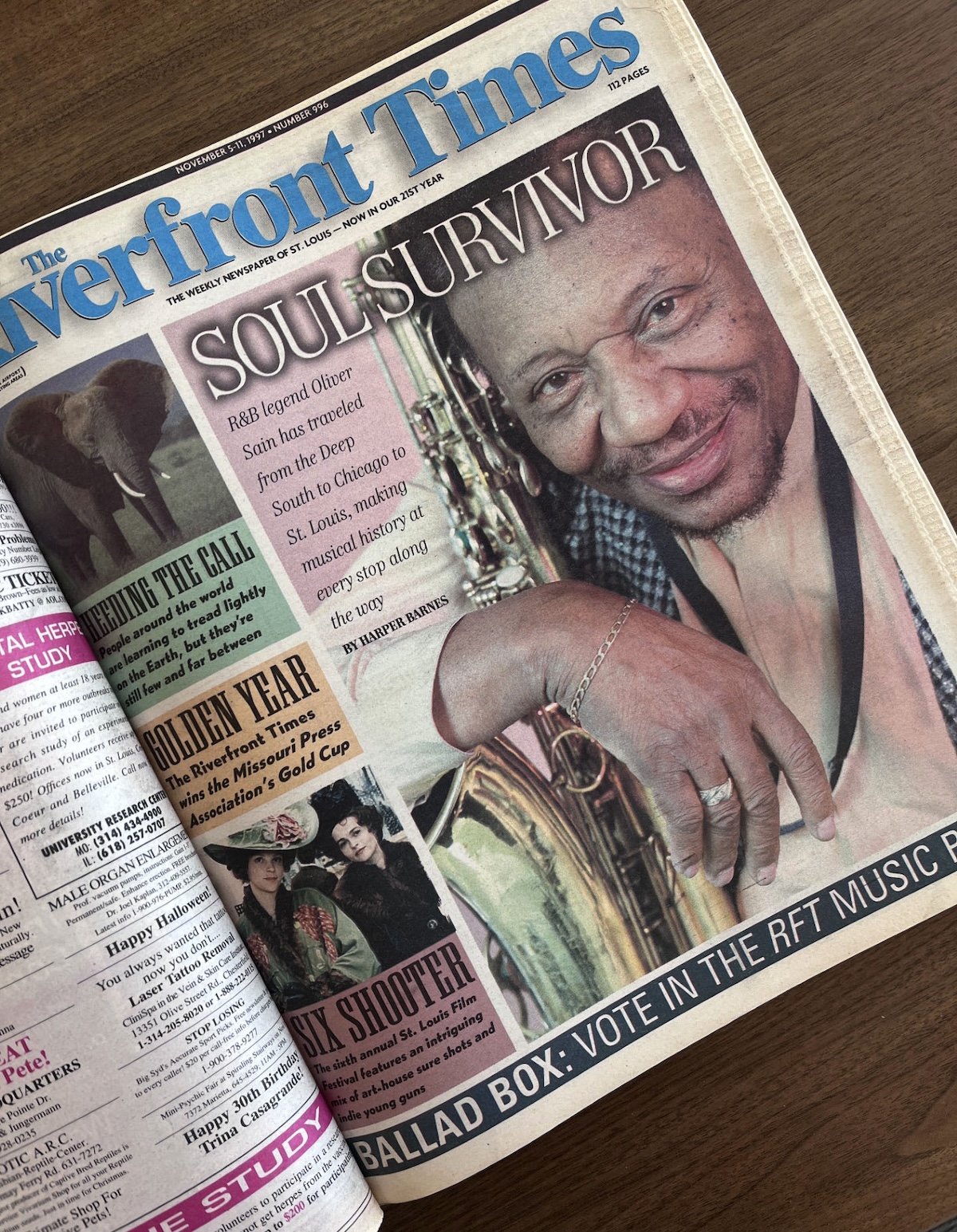
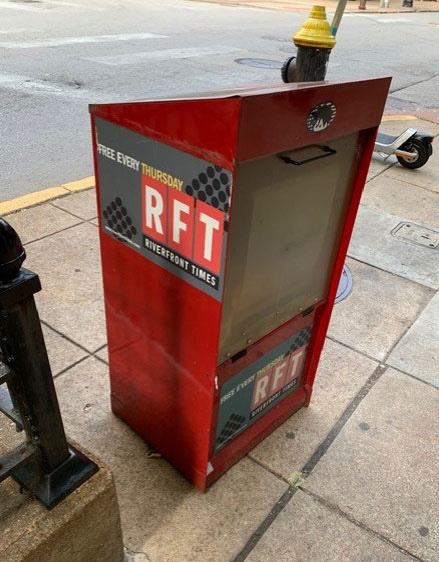
If you lived in St. Louis during the 1980s onwards, the Riverfront Times was a reliable, constant media source you could depend on. On Wednesdays the paper would be delivered to paper boxes throughout the city and county, and people could pick up a free copy to catch up on local political news, environmental issues, and find out what cultural events or concerts were happening that coming weekend. It covered LGBTQ+ topics when other papers would not. The paper hired and cultivated local investigative reporters, film and music critics, and in each issue, until he sold the paper in 1998, founder and publisher Ray Hartmann wrote a weekly column.
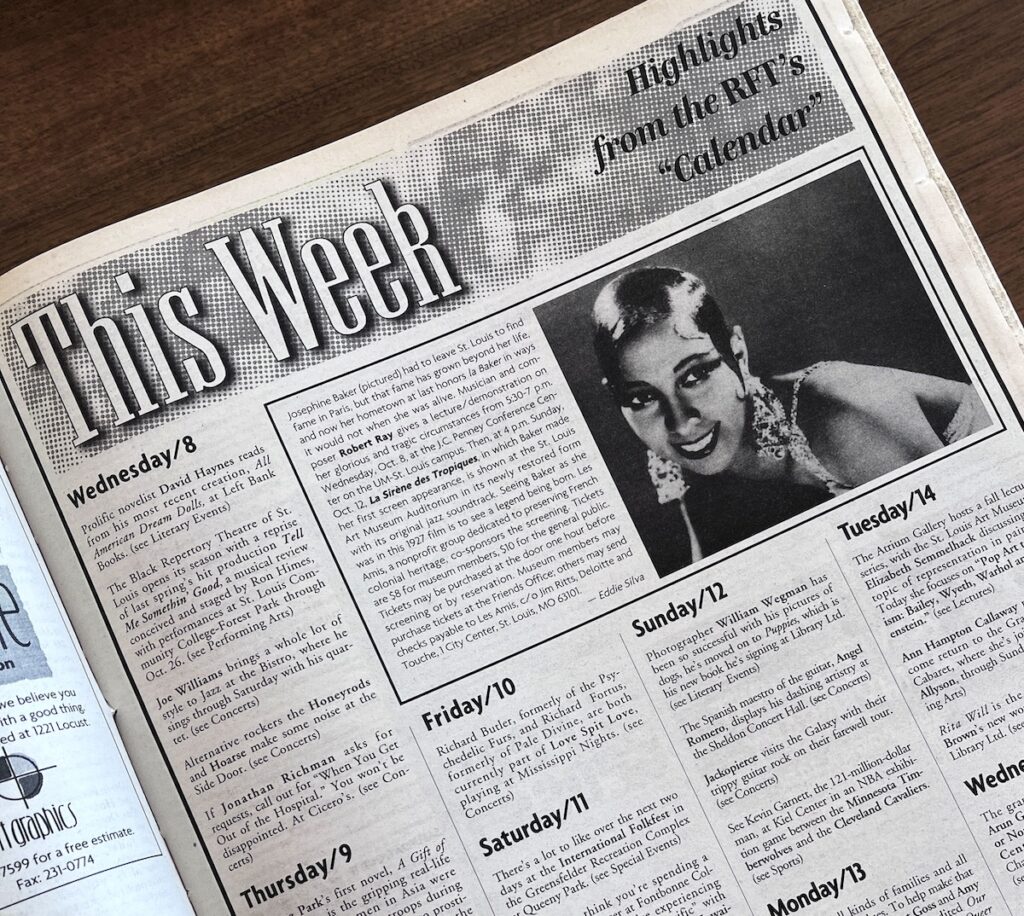
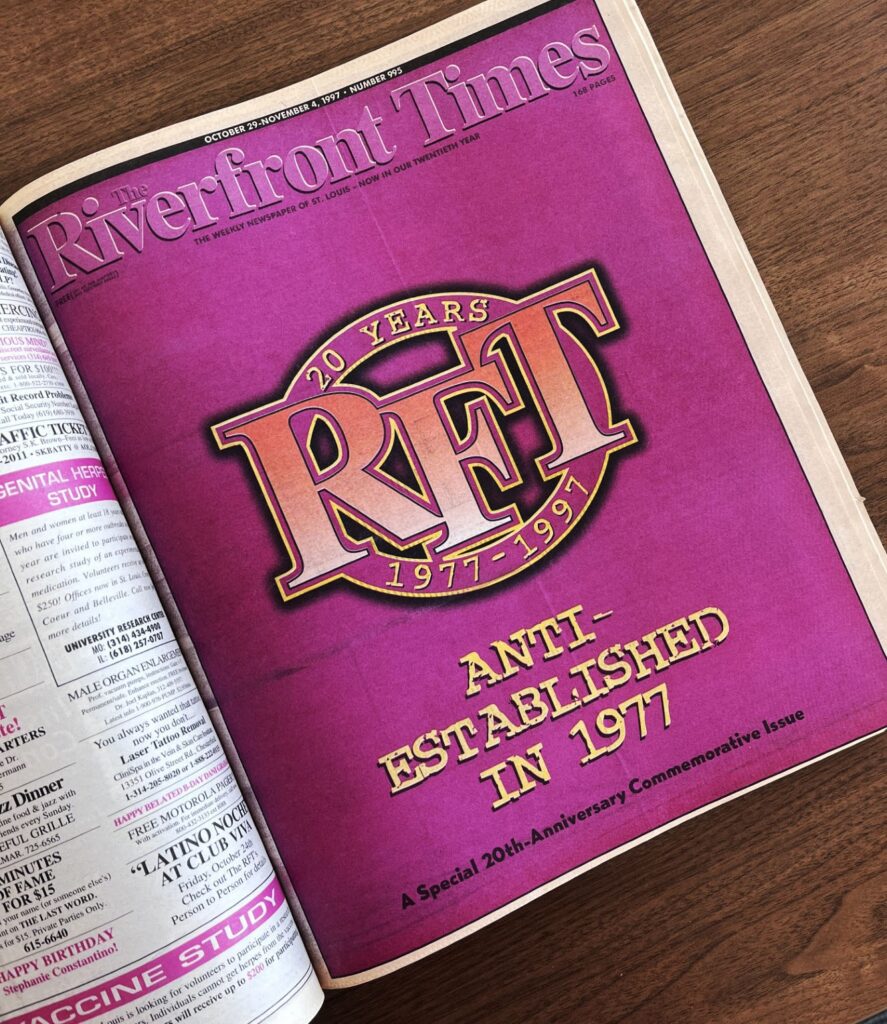
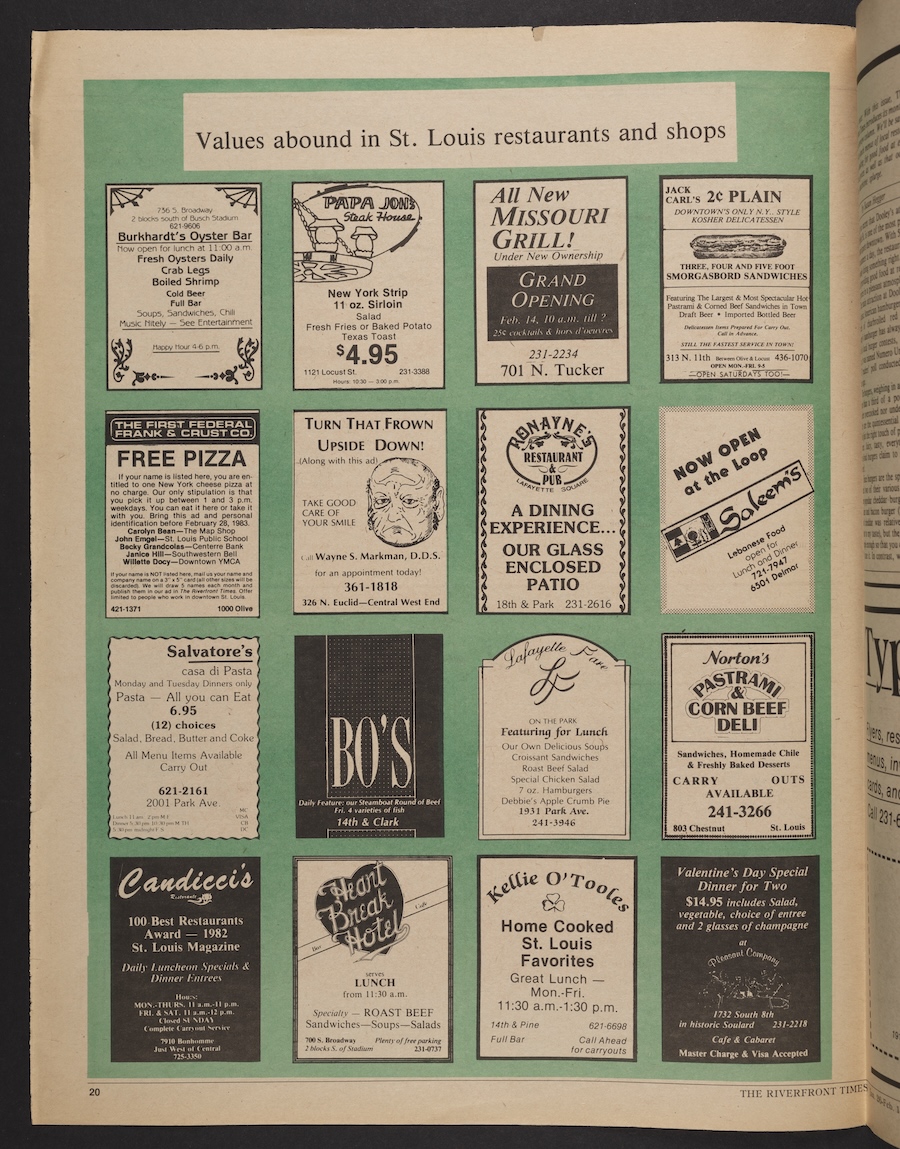
After it was purchased by New Times, a company that purchased many alternative papers across the country, including the Village Voice in New York, the format became more standardized. Staffing shifted under various editors, with some national film reviewers added to the mix. It was the end of a free-wheeling era that coincided with the rise of the internet as a place where people got their news, yet the paper remained a much-loved part of St. Louis life and a source of local journalism until its closure in 2024.
Hartmann, who died in a car crash on April 21, 2026, was a passionate and thoughtful writer. His weekly commentary would highlight whatever pressing topic was at the forefront of local news that week. WashU’s Common Reader published tributes from former colleagues and writers who contributed to the Riverfront Times. Hartmann greatly influenced many people’s lives, both professionally and personally.
In a transformed media landscape where writers are still trying to find their footing, the solid bound volumes of the Riverfront Times reveal a multifaceted portrait of St. Louis. It offers a look back at the cultural life of a city, viewed through a publication that covered stories a daily newspaper might not have deemed worthy or that didn’t fit their publication style.
The Riverfront Times Collection is now available for use at Special Collections. Consult the finding aid on ArchivesSpace for a list of issues. All researchers are asked to make an appointment in advance to view Special Collections materials.