
Black History Month Books Recommended by WashU Professors
Here’s what professors in the Department of African and African American Studies are reading and recommending. If you like their picks, check out their courses!
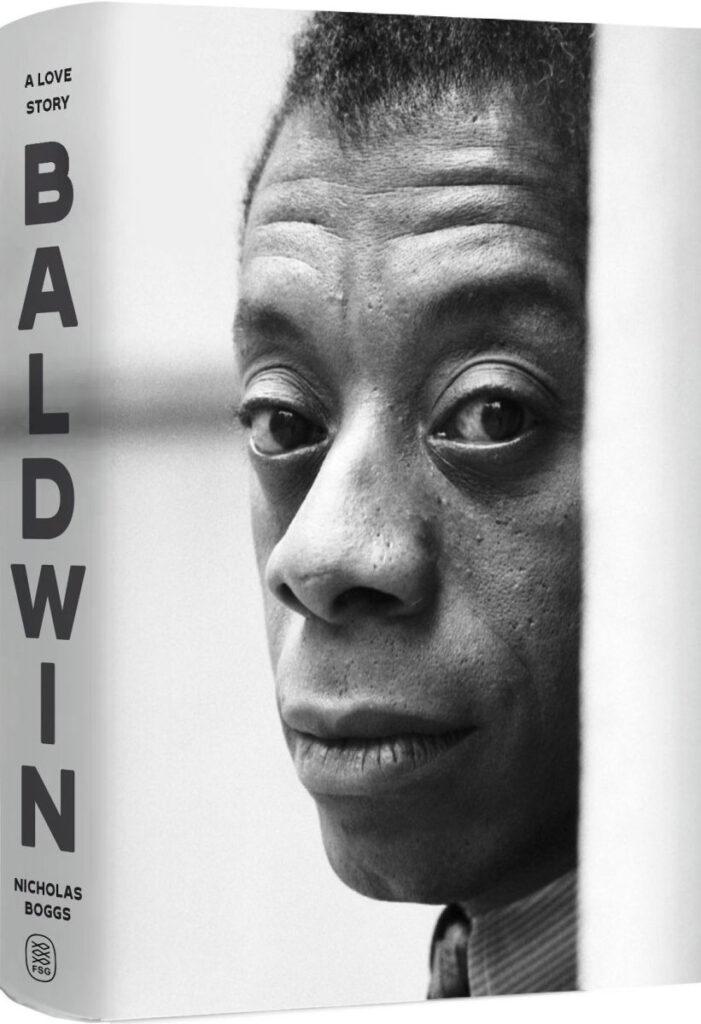
Positive Obsession: The Life and Times of Octavia E. Butler by Susana M. Morris
Recommended by Seanna Leath, Associate Professor of Psychological & Brain Sciences; Affiliated Faculty of African and African American Studies and Women, Gender, and Sexuality Studies
This is a powerful cultural biography that situates Octavia Butler’s life and work within the major social and political movements that shaped her writing, including the Civil Rights Movement, Black Power, feminism, queer liberation, and Reagan-era political economy. Morris traces how Butler—one of the first Black women to consistently write and publish science fiction—used speculative storytelling to interrogate empire, capitalism, gendered violence, climate collapse, and racial hierarchy, while imagining futures where Black women are central rather than peripheral. The book is especially meaningful for readers who love Butler’s fiction and want deeper insight into her intellectual commitments, discipline, and what she called “positive obsession”—the relentless drive to write despite fear, doubt, and exclusion.
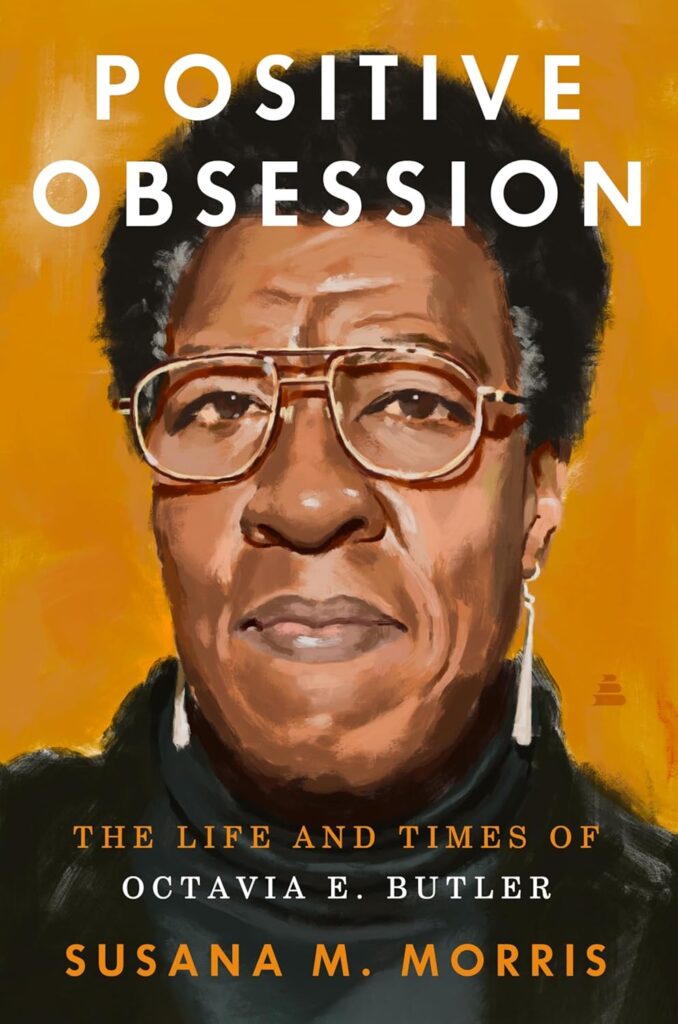
Yoruba Art and Language: Seeking the African in African Art by Rowland Abiodun
Recommended by Tomos Llywelyn Evans, Assistant Professor of art history and African and African American Studies, who uses this book in two of his courses which focus on West African art history and archaeology: ARTARCH 2031—Innovation, Motion, and Assemblage: The Art, Architectural, and Landscape History of West and Central Africa and ARTARCH 4260 / 5260—The Town at the Center of the Universe: The Archaeology and Arts of Ilé-Ifè, the West African City of Gods, in Global Perspective (c.1000 AD to Present).
The study of African material culture of the past and present—whether by art historians, archaeologists, anthropologists, and others—has something of a Eurocentric baggage, where the terms, categories, standards and norms of a largely Western scholarship were often projected onto African art objects, rather than those of the makers of the objects themselves. This has subjected a lot of this material culture to, at best, misinterpretations and misrepresentations and, at worst, disparagement in academic literature. Rowland Abiodun, who is well versed in both Western art history on the one hand and Yorùbá oral tradition, linguistics, and aesthetics on the other, seeks to rectify this situation by developing useful analytical tools to gain a richer, culturally-specific, more sophisticated emic perspective on the incredible art corpus of the Yorùbá region.
By adopting and applying the deep philosophical concepts of the Yorùbá, such as the invigorating power to make things come to pass – asè, praise poetry – oríkì, and the essential nature of people and things – ìwà, as well as a wealth of other such terms, Abiodun expertly demonstrates the merit of a more multidisciplinary approach that centers African aesthetic concepts in its analysis, while not wholly abandoning the prevailing “external” epistemologies of Western art history. The book is a useful starting point by which scholars of African art and material culture—across multiple disciplines—can think creatively and constructively about how to characterize these phenomena according to African ontologies and conceptual frameworks. As an archaeologist who studies a continuum of material culture in the Yorùbá region, I find Abiodun’s work to be highly stimulating and useful as a step towards developing appropriate interpretations of this material world from the smallest potsherd to the greatest of architectural constructs: the linear earthworks.
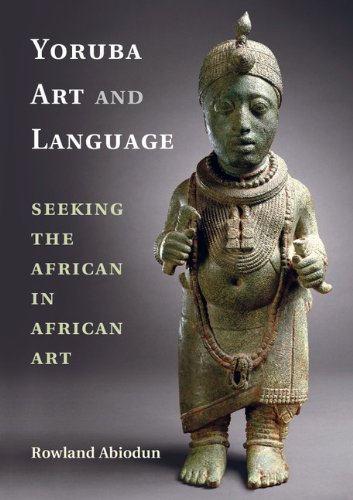
Baldwin: A Love Story by Nicholas Boggs
Recommended by William Maxwell, Professor of English and African and African American Studies
There have been enlightening biographies of James Baldwin in the past—David Leeming’s is particularly strong as a literary guide. But Nicholas Boggs’s new life study, Baldwin: A Love Story, is the first to deal frankly with Baldwin’s painful but productive love affairs with other male artists. Quoting from previously hidden personal letters, Boggs offers Baldwin’s many twenty-first-century readers a Rosetta Stone for translating the life into the art, and vice versa.
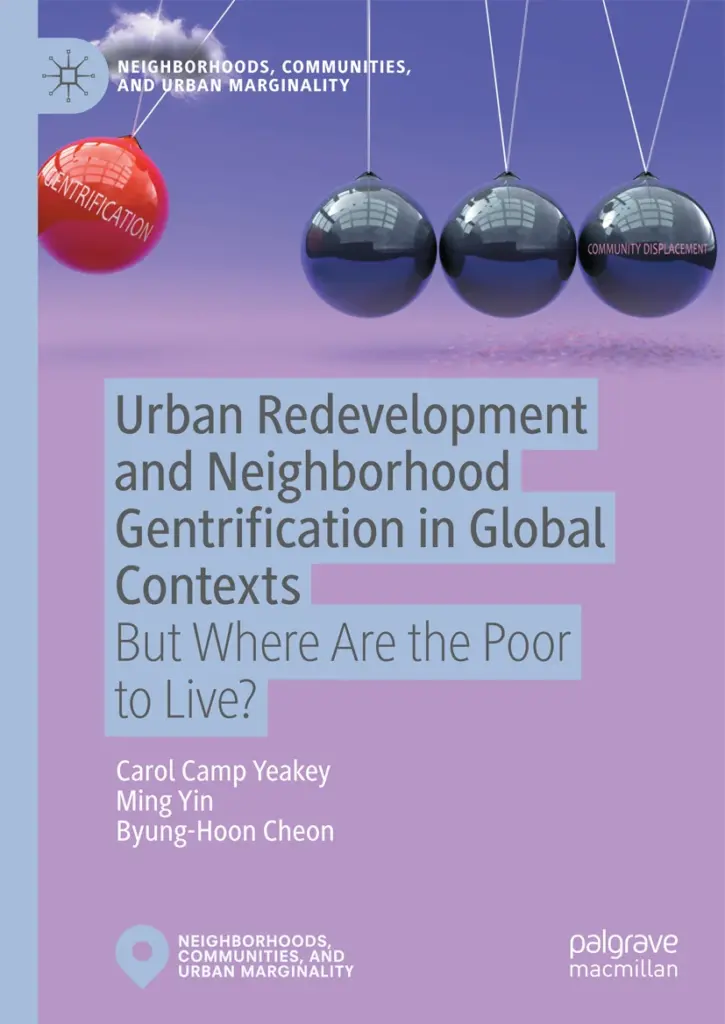
Urban Redevelopment and Neighborhood Gentrification in Global Contexts: But where are the poor to live? by Carol Camp Yeakey
Recommended by the author herself—Carol Camp Yeakey! Yeakey is a Professor of education, urban studies, African and African American Studies, and American Culture Studies, as well as Founding Director of the Center on Urban Research & Public Policy and the Interdisciplinary Program in Urban Studies.
Professor Yeakey recommends this book because it fits well within the Department of African and African American Studies’ new global initiative, while focusing on urban redevelopment and neighborhood gentrification in New York City (Harlem), in London, U.K., and Seoul (Republic of South Korea). Key research questions are cui bono (who benefits) or qui amisit (who loses) from these ubiquitous processes in different global settings.
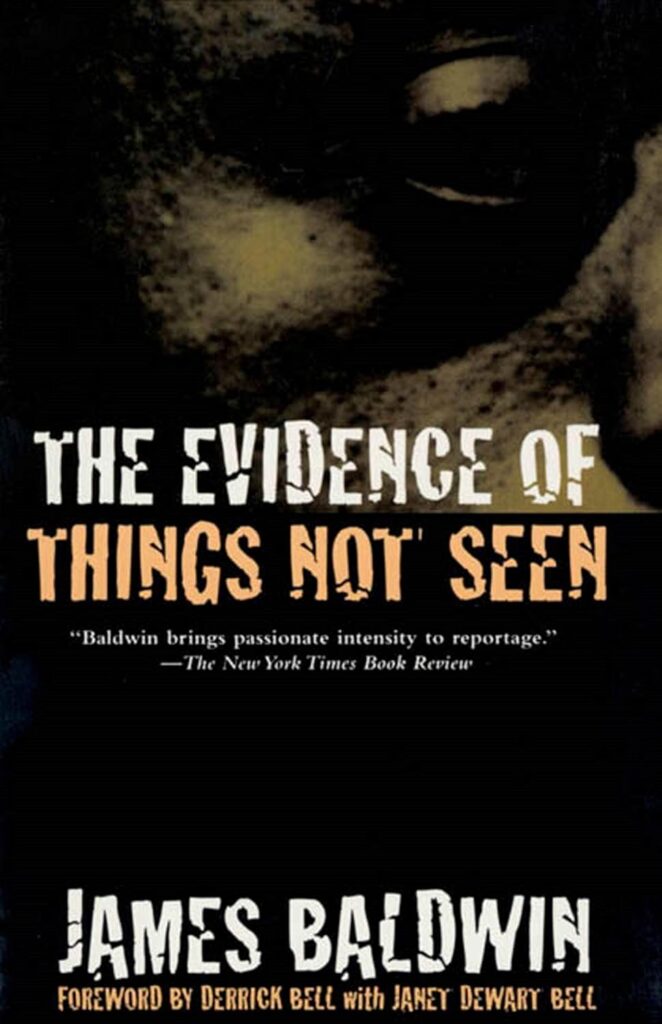
The Evidence of Things Not Seen by James Baldwin
Recommended by Kyle Proehl, Editorial Assistant for the James Baldwin Review in the Department of African and African American Studies
In this late, neglected essay on a series of child murders in Atlanta, Baldwin considers what remains of “that betrayed and co-opted insurrection that American folklore has trivialized into ‘the civil rights movement’” to remind us how even the language we use enlists our complicity in the illusions of progress.
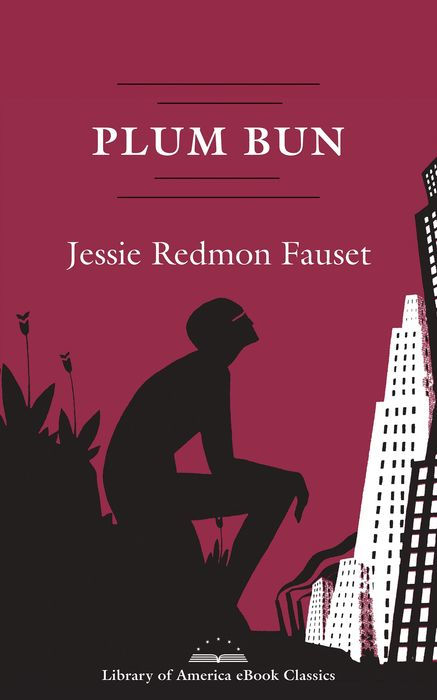
Plum Bun by Jessie Redmon Fauset
Recommended by Nathan Dize, Assistant Professor of French and African and African American Studies
Plum Bun follows the story of Angela Murray in a tale of racial passing similar to Nella Larsen’s Quicksand. It is a novel that reads with the pace of a romance, infused with the politics of class, gender, and race as a young woman pursues love and her own sense of self. Jessie Redmon Fauset was once heralded by Langston Hughes as a “midwife” of the Harlem Renaissance, and Plum Bun perfectly encapsulates why.
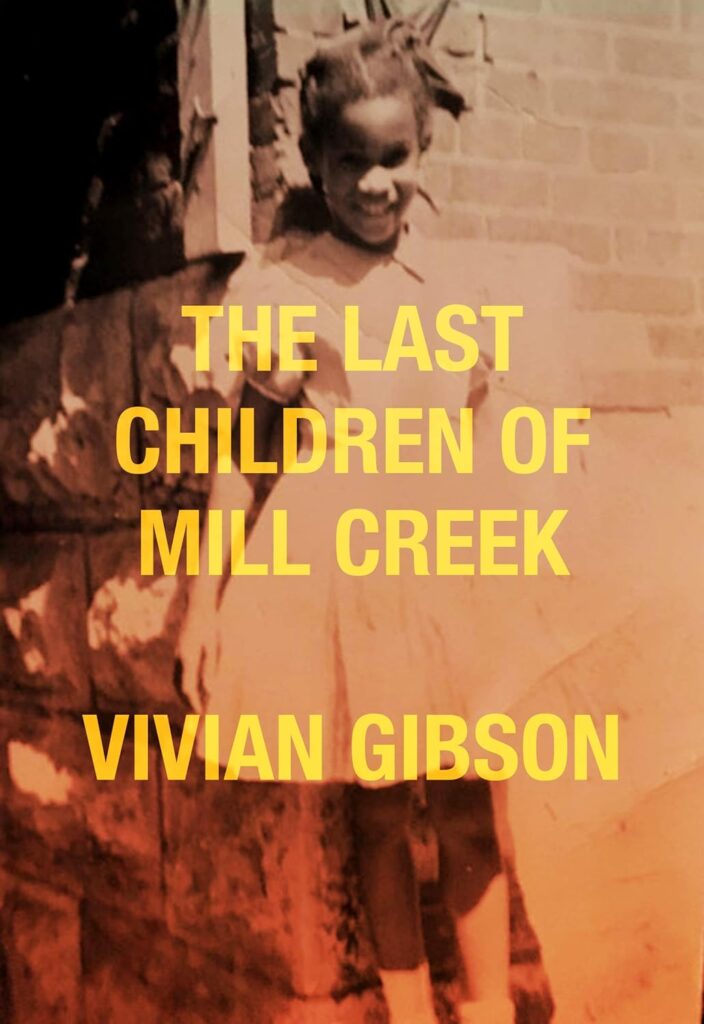
The Last Children of Mill Creek by Vivian Gibson
Recommended by Candace Borders, Mellon Postdoctoral Fellow in Modeling Interdisciplinary Inquiry, The Center for the Humanities
Gibson’s memoir of growing up in Mill Creek Valley is both a humanely touching story and a prescient relflection on the racial violence of St. Louis’s history of urban renewal. It’s a book I’ve come back to time and again in my own scholarship and am teaching currently in my course in AFAS—Urban Inequality: Racism, Segregation, & Ghettoization in the American City. I am looking forward to offering the course in Spring 2027 as well.
Archives of Resistance Series
Check out these Black History Month events organized by WashU Libraries:
Douglass Day, February 13 | 11 am–4 pm | Olin Library, Room 142
Resistance & Underground Railroads to Mexican Spaces, February 19 | 5–7 pm | Olin Library, Room 142 & Ginkgo Reading Room
PÉLAGIE X: Film Screening and Panel Discussion, February 20 | 4-5:30 pm | Umrath Hall, Lounge
The Black History Month book list was compiled by Kelly Schmidt, Reparative Public Historian and Lecturer.