
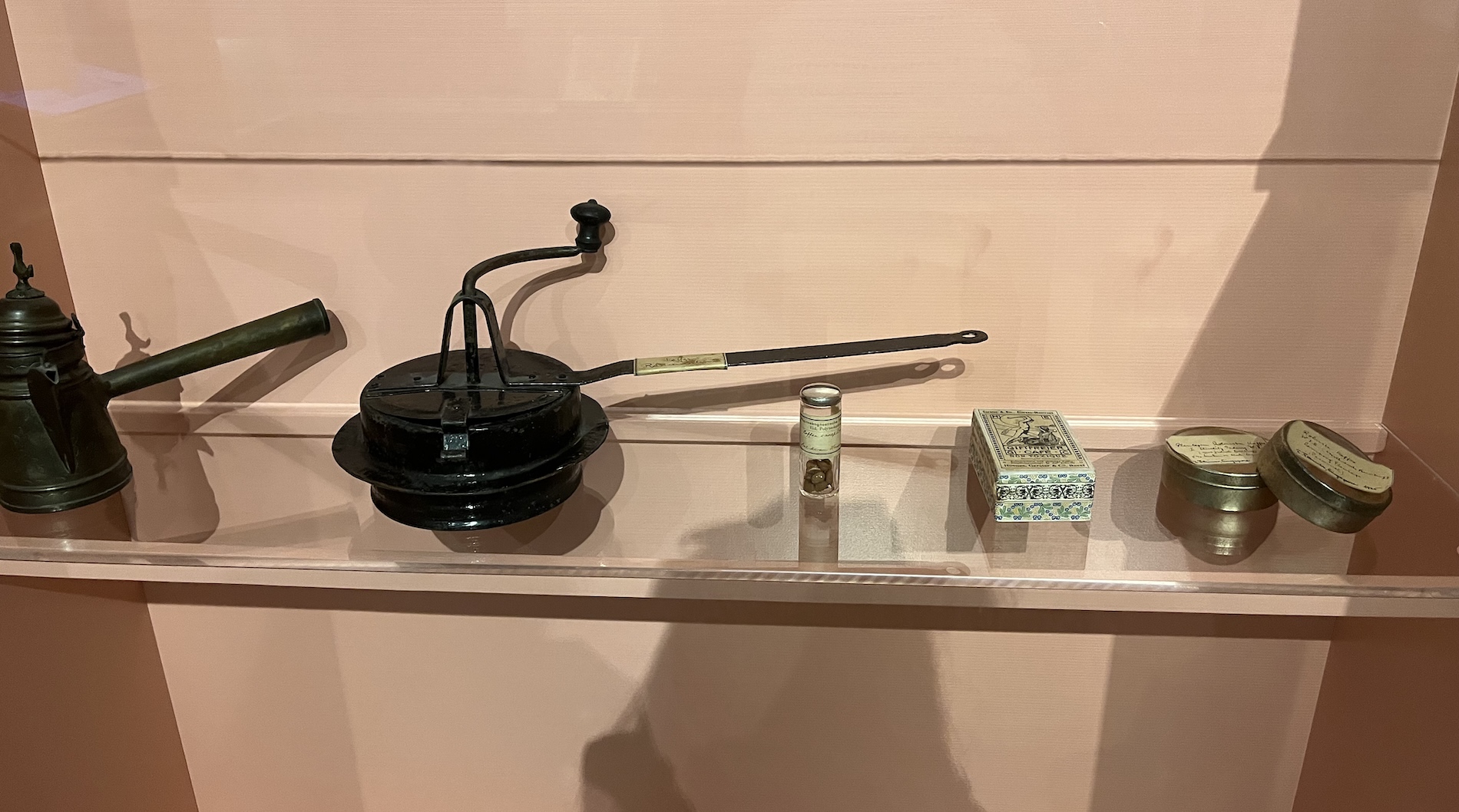
Exploring the History of Medicine in Europe
This summer, thanks to the support of the Newman Exploration Travel (NEXT) Fund award, I had the opportunity to travel across Europe to explore the intersection of traditional healing practices and modern biomedical innovation. When I first proposed this project, I imagined I would mostly be studying how historical remedies connected to modern medicine. I expected to spend time in museums, read about discoveries, and observe a few examples of herbs or techniques that carried over to the present day. While I did experience that, the trip ended up becoming so much more. It opened my eyes not only to the history of medicine but also to the importance of community, food, and lifestyle in creating sustainable approaches to health. What began as an academic project became a deeply personal journey that shifted the way I think about medicine, culture, and even how I want to live my own life.
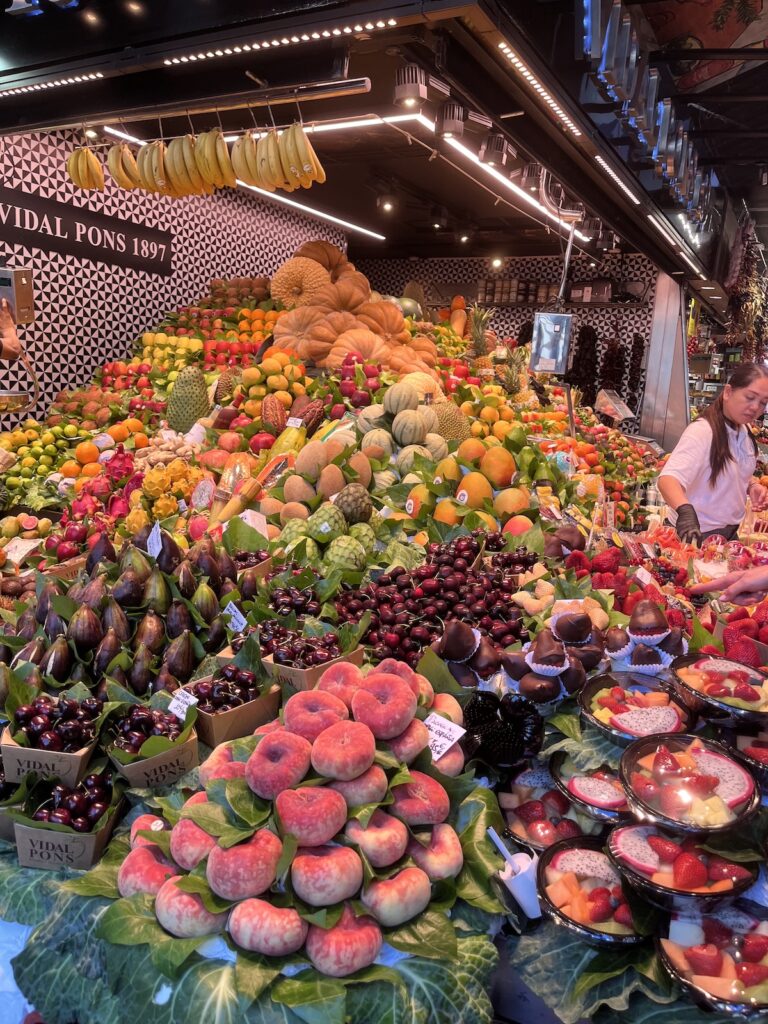
In Spain, I first encountered the strong cultural presence of healing traditions in everyday life. In Madrid, walking through the royal gardens filled with medicinal plants from centuries past, I felt like I was stepping into an outdoor pharmacy from the fifteenth century. Yet these practices weren’t just artifacts of history; they were still alive. At local farmers’ markets, I watched vendors sell jars of oils, herbal balms, and flower tinctures, each tied to a story of healing. Talking with locals, I was struck by how much emphasis was placed not just on treating illness, but on preventing it through lifestyle. Many described using fresh, whole foods and herbs as their main “medicine.”
In Barcelona, the Hash Museum traces the long medicinal history of cannabis, reminding me that many practices considered “alternative” today have been used for centuries. Even beyond the museums, the markets full of fresh produce and the relaxed rhythm of daily life showed me a culture where health is integrated into everyday habits, rather than something separate or medicalized.
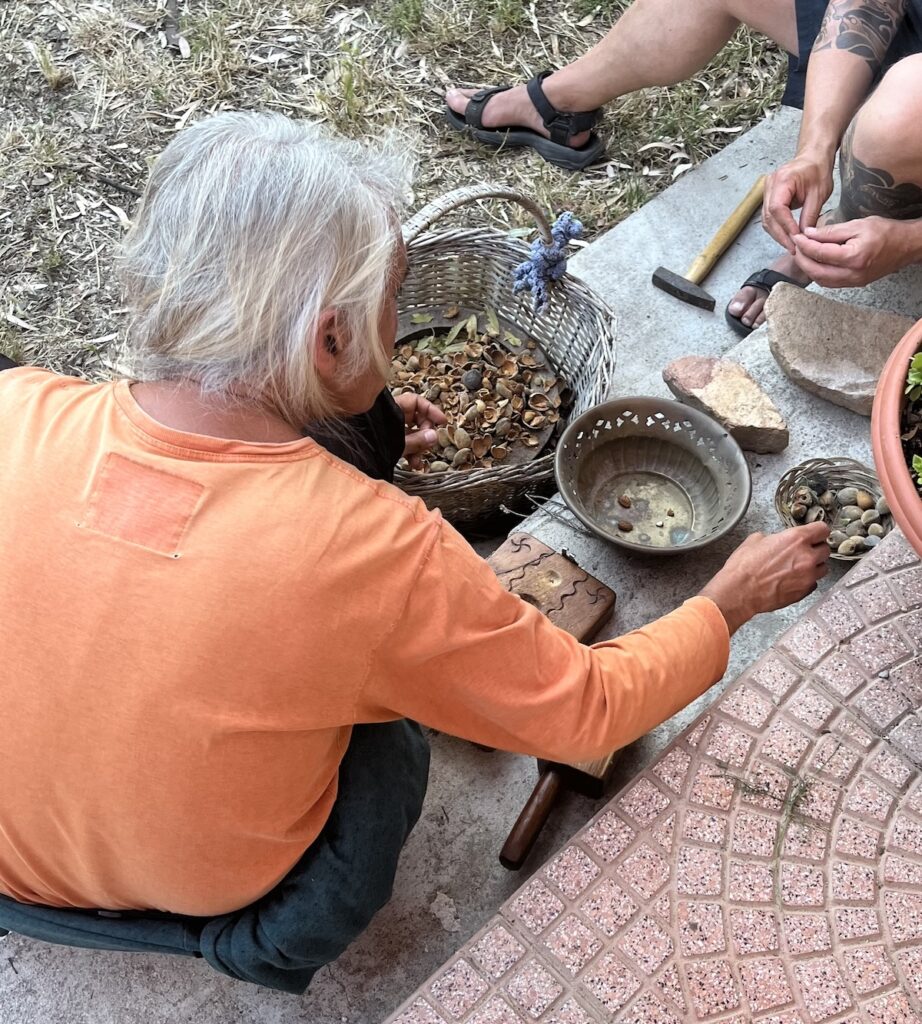
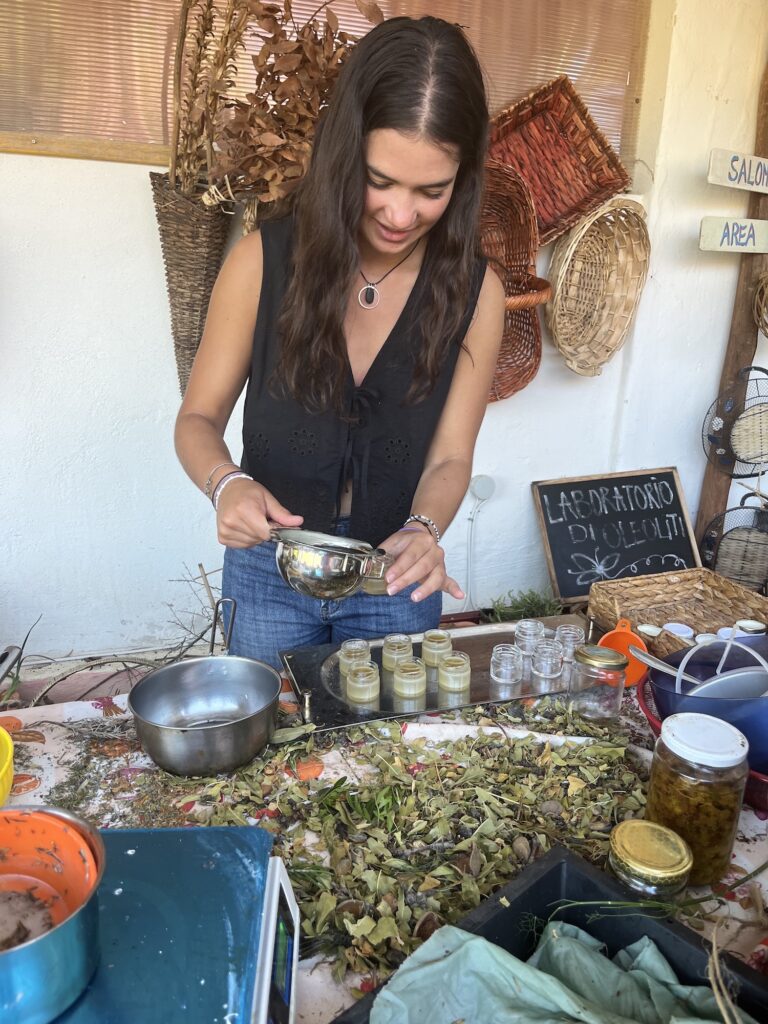
In Italy, this idea of health as a lifestyle became even more powerful. On the island of Sardinia, I stayed with a family on a permaculture farm. Everything they ate, used, and healed with came directly from the land. I helped gather and crack walnuts for pesto, pressed olive oil from their trees, and crafted healing balms to treat burns from beeswax, lavender, arnica, and other herbal oils. Nothing was processed, nothing was imported; it was all grown and shared in the community. Sardinia is known as a “blue zone,” where people live longer than in most places in the world, and I quickly understood why. Health here wasn’t about doctors or pills; it was about food, physical work, and above all, connection. One night, neighbors from surrounding farms came together for a dinner that stretched well past midnight. Everyone brought food they had made themselves—bread, salads, cakes, wine—and we spent hours sharing stories, playing music, and simply being together.
Even though I couldn’t understand every word, the feeling of belonging and joy was unmistakable. The family explained to me that they emphasized having a strong sense of community because it kept their minds happy and healthy, which allowed their bodies to remain healthy as well. This lesson struck me harder than anything I read in a museum: healing is not just about curing disease, but about the environment we live in, the people we surround ourselves with, and the way we care for our bodies every single day.
In Switzerland, my trip took a turn toward the modern side of medicine. In Zürich, I shadowed a professor at ETH Zurich and attended a biomedical research conference. I listened to researchers from around the world discuss breakthroughs in antibiotics, antioxidants, and the history of medical innovation. One story that stuck with me was how Kodak first developed antioxidants for film preservation, but they were later adapted to preserve food and eventually became vital in medicine. This blending of technology, wartime necessity, and medical discovery highlighted how innovation often comes from unexpected sources.
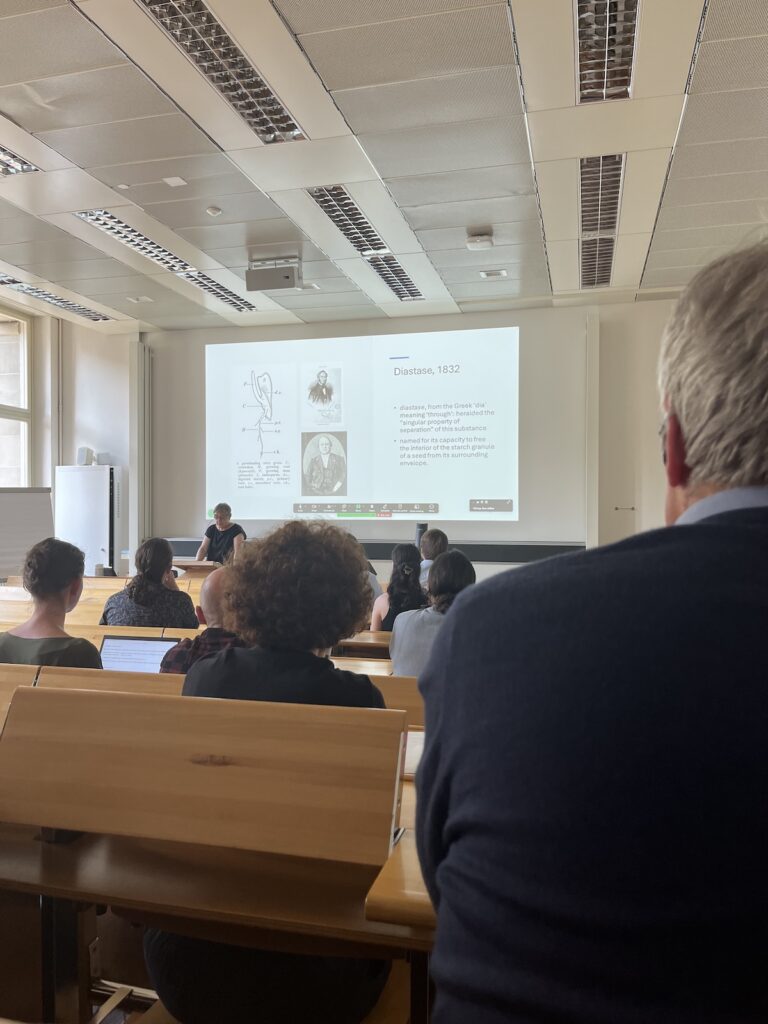
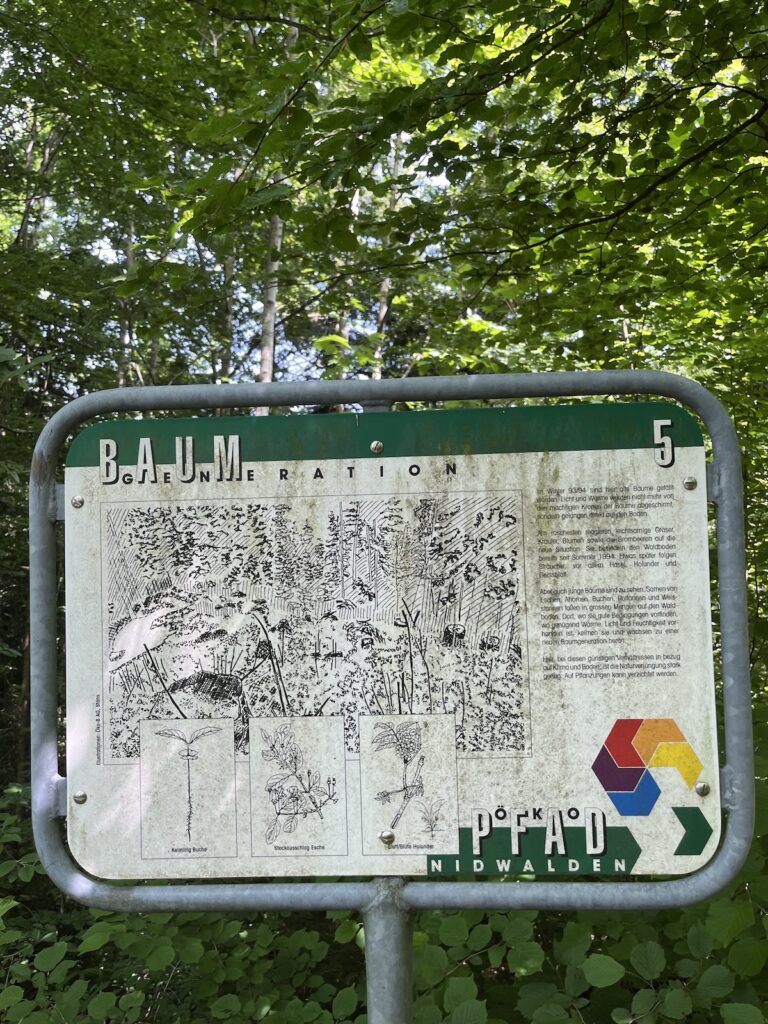
At the same time, hiking in the Alps, I found myself stopping at plaques that described the uses of local plants for food and healing. It reminded me that even in one of the world’s most advanced biomedical hubs, nature’s role in health remains visible and respected. This balance between cutting-edge research and traditional knowledge is what I had originally set out to find, and Switzerland gave me a clear picture of how the two can coexist and mutually help each other.
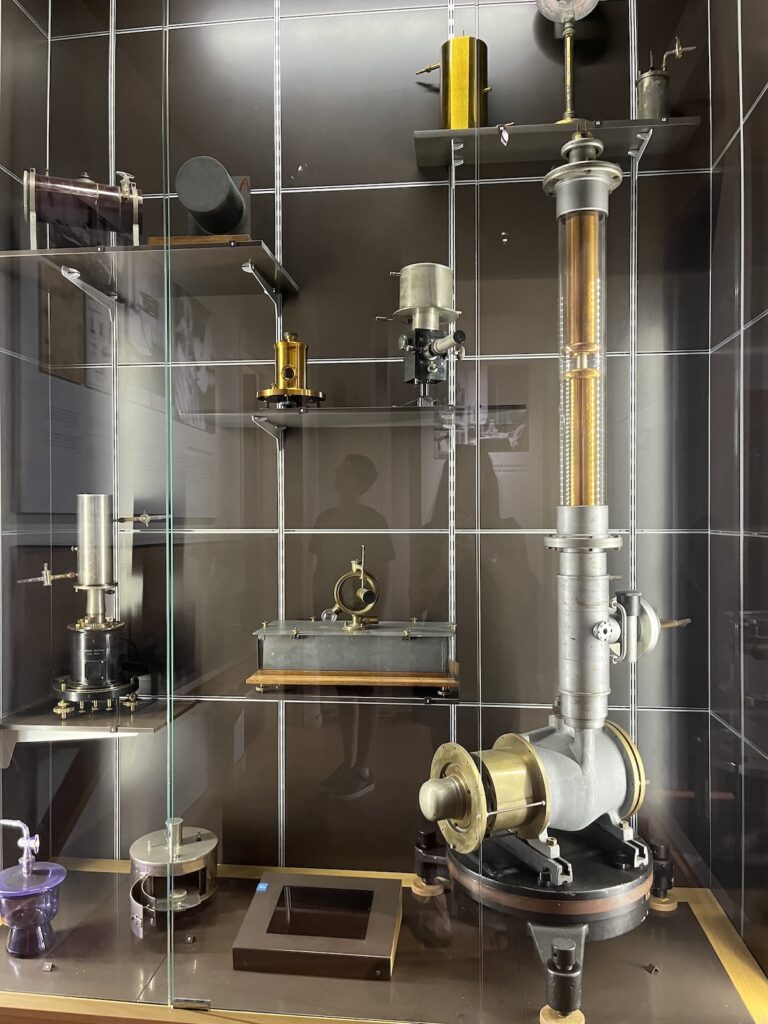
In France, I saw yet another side of the story. In Paris, I visited several medical history museums and research hubs, including the Institut Pasteur and Marie Curie’s laboratory. Paris was where Louis Pasteur first developed his theories of microbes and vaccination, discoveries that truly changed the course of modern medicine. Walking through the exhibits, I was struck by how radical these ideas must have seemed at the time, and how much resistance they faced before becoming common knowledge. At the Curie Museum, I saw artifacts from Marie and Pierre Curie’s laboratory, where their research on radioactivity revolutionized both physics and medicine. Yet the museum also showed the darker side, how public fascination with radium led to its use in everyday consumer goods like face creams and tonics, before people understood its dangers. It reminded me that innovation is not only about discovery, but also about how it is received and integrated across various societies.
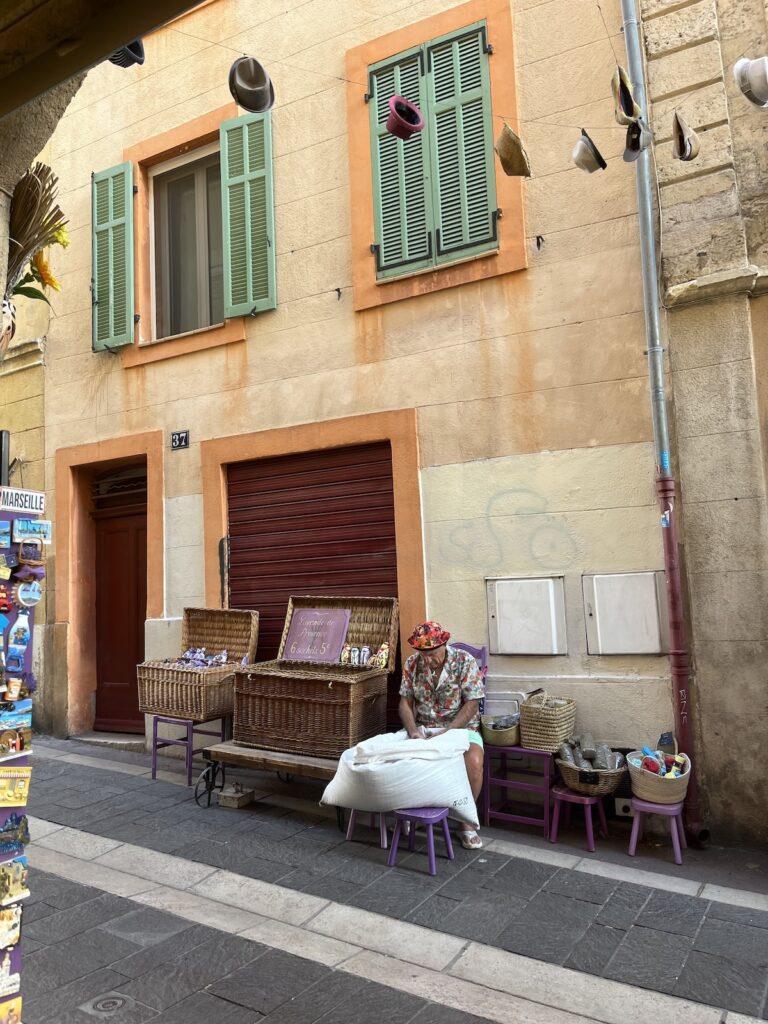
Traveling south to Marseille, I learned how traditional practices became woven into daily routines. The city is famous for its square blocks of savon de Marseille, soaps made from olive oil and ash that have been produced there for over 600 years. When germ theory began spreading in the 19th century, soap quickly took on new significance as both a household staple and a symbol of health and hygiene.
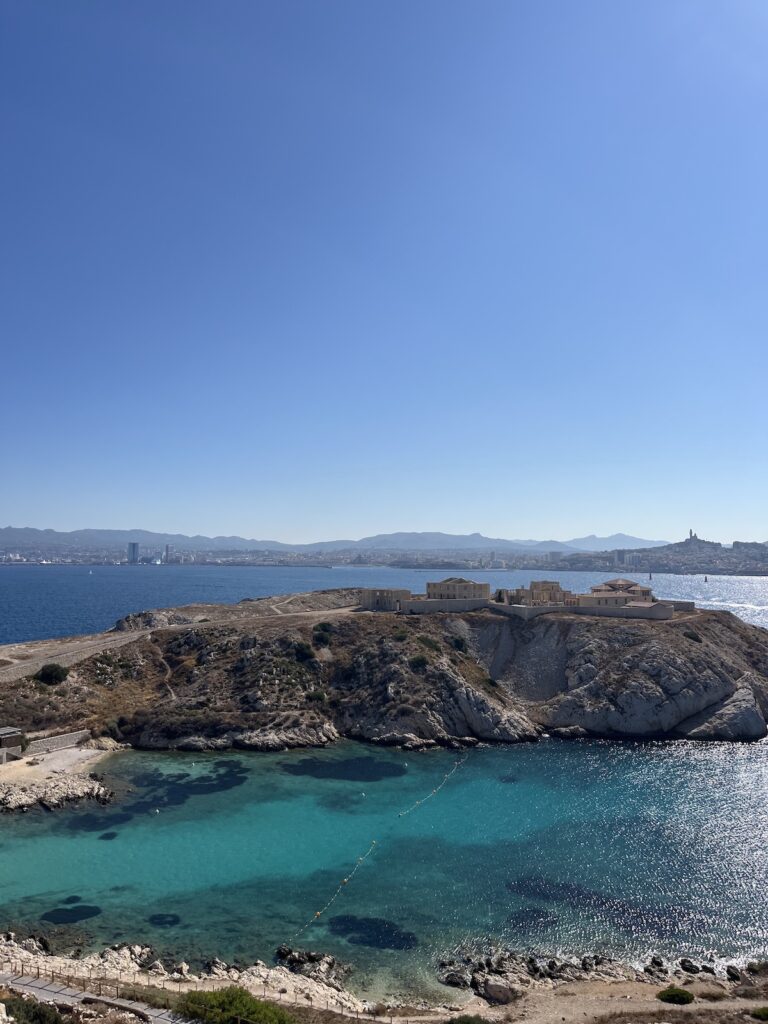
Outside the city, I visited the ruins of Hôpital Caroline, a quarantine station built in the 1820s for travelers and citizens suspected of carrying yellow fever. Standing in the abandoned stone wards overlooking the sea, I thought about how this system was an early attempt at public health infrastructure. It felt hauntingly relevant, given our own recent experiences with COVID-19 and quarantine. Seeing the echoes of history gave me perspective on how societies have always struggled with questions of isolation, healing, and community in the face of disease.
In London, I visited the Francis Crick Institute, a leading biomedical hub in Europe. I saw exhibits on the history of surgery, early prosthetics, and the role of photography in medicine. One display showed photographs taken in colonial and impoverished regions, documenting medical conditions as a way of raising awareness, but also raising questions about exploitation and representation. It struck me how medicine is not just about science, but also about how stories are told: whose suffering is recorded, whose healing is celebrated, and how images shape the public’s understanding of disease. These exhibits reminded me that medicine is always entangled with culture, ethics, and communication, not just biology.
By the end of my travels, I realized that what I had found on this journey was not just a history of medicine, but a map of what medicine could look like in the future. My biggest takeaway was that medicine cannot be separated from lifestyle. In Europe, I saw how food, community, and daily habits are treated as forms of medicine. I went expecting to find examples of old practices merging into modern innovations, and I did. But more importantly, I left with a deeper understanding that true healing requires a holistic approach. It is not enough to simply treat symptoms with advanced technology. Sustainable health comes from preventing illness in the first place, nurturing the body with real food, the mind with connection, and the spirit with a sense of belonging.
This trip transformed how I think about my future and the role I want to play in medicine. As a biomedical engineering student, I now hope to continue exploring the intersection of modern innovation and holistic healing to create lower-cost, practical solutions for remote or underserved communities. Seeing how lifestyle, food, and community can prevent illness showed me that sustainable healthcare doesn’t always have to be high-tech; it can be rooted in accessibility and prevention. Thanks to the NEXT grant, I came away with a clearer vision: to pursue engineering solutions that not only advance medicine but also make it more affordable, realistic, and humane for those who need it most.

- Name
- Anja Rauscher
- Job Title
- Biomedical Engineering major