
The Birds of American Sport
Birds are everywhere. You’ll find them flying in the sky, diving into water, or perching on treetops. And you’ll find them in sports. Amidst tigers and bears, you’ll find eagles and hawks as popular mascots and team nicknames. Birds naturally lend themselves to team names and mascots, given their athletic characteristics.
Sharp like an eagle. Swift like a hawk. It is the nature of birds to be strong, swift, and agile, a desirable trait in sports. Birds like eagles can soar to heights of 10,000 feet, achieving speeds of up to 40 mph in normal flight and over 100 mph while diving. Their vision and determination make them a great representation for a team and its players, often referenced in sports commentary and culture.
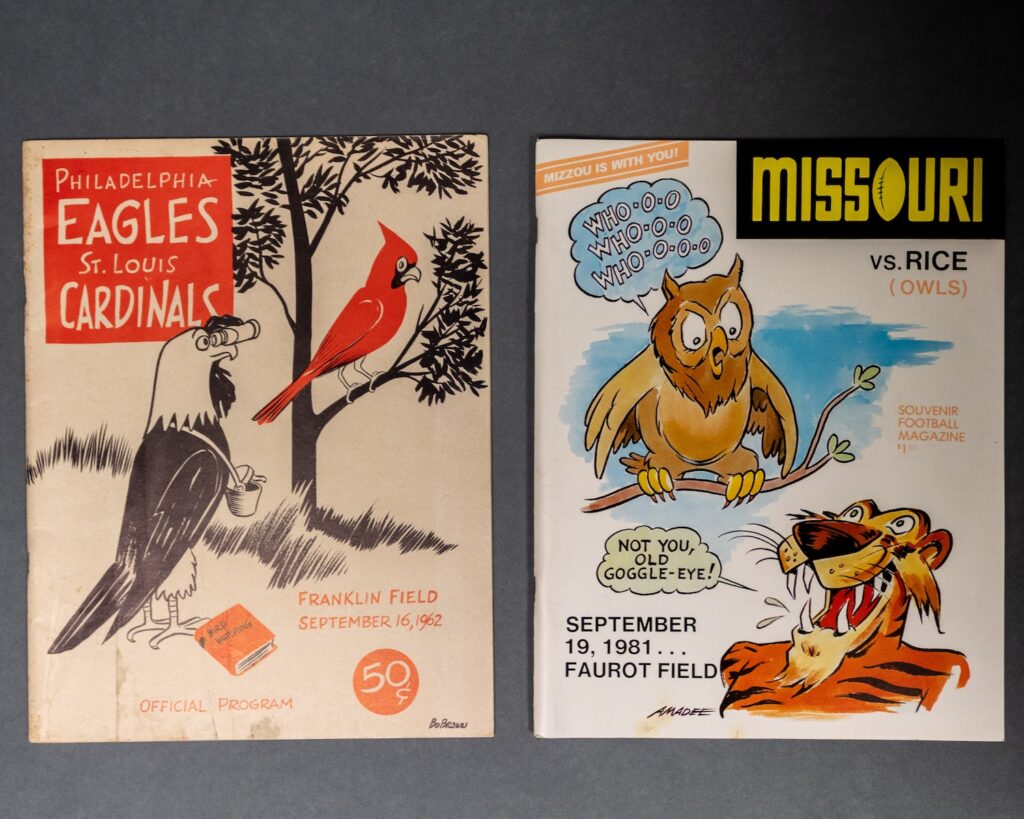
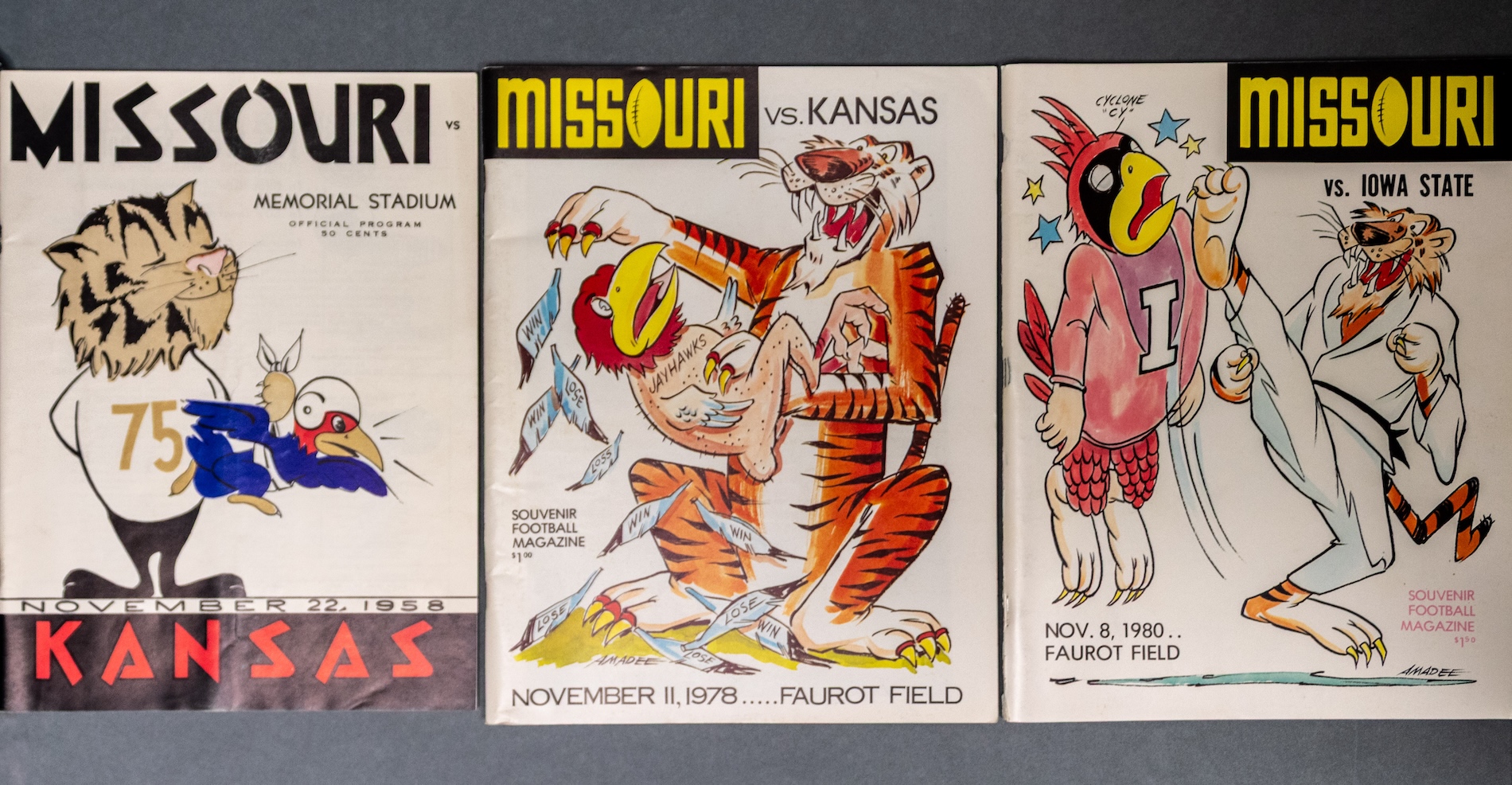
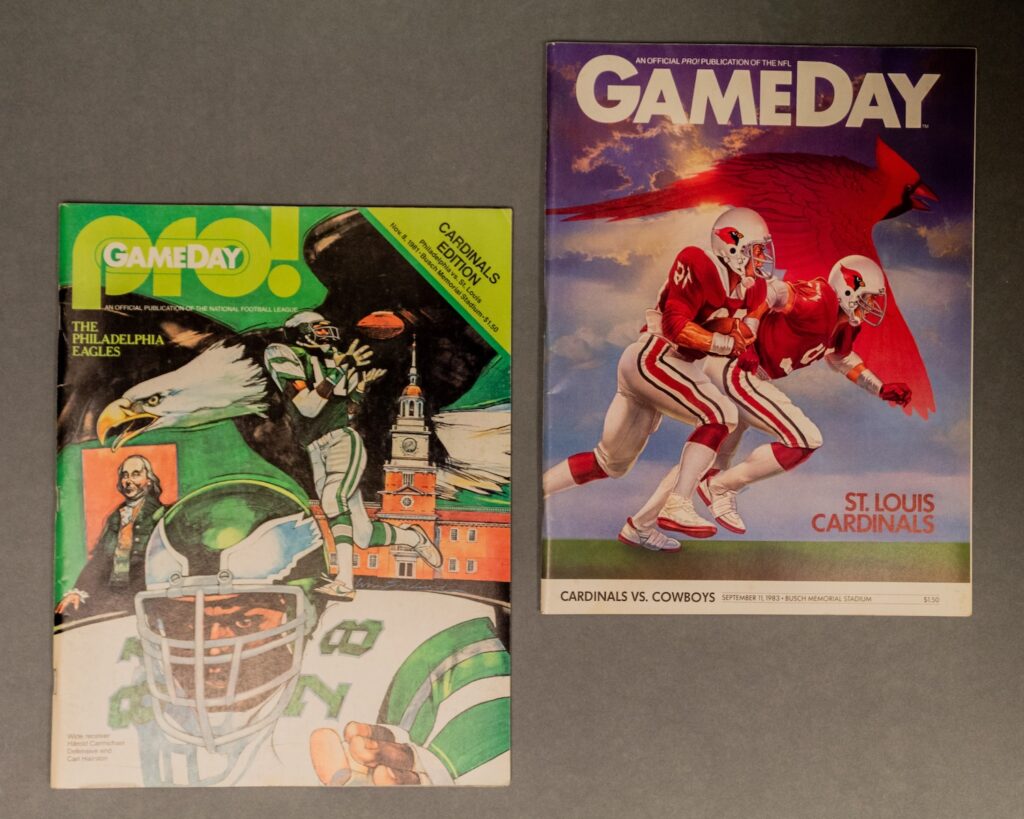
Likewise, birds lend themselves to interesting visual concepts for sports publications. The mid-twentieth century saw several publications with illustrated covers featuring animal mascots of teams that include bird themes.
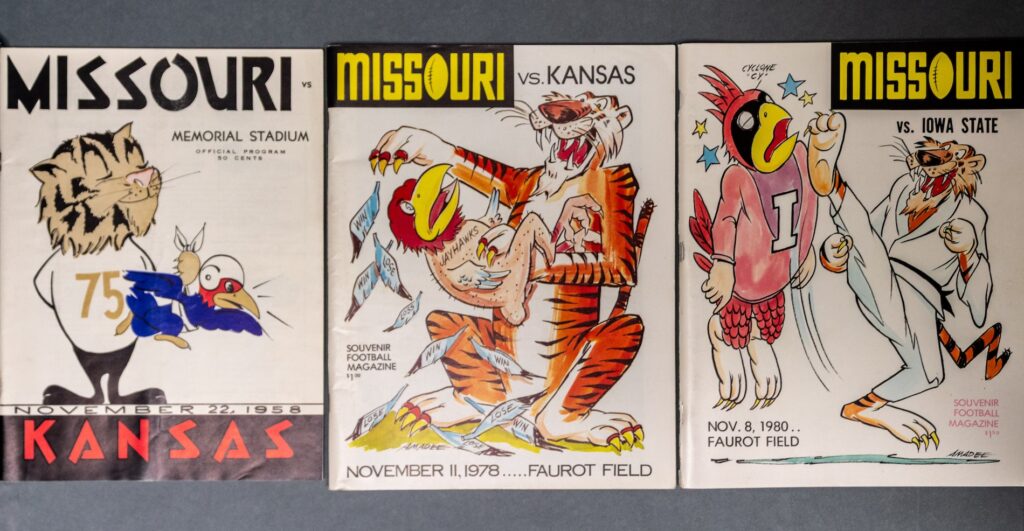
It is the survival of the fittest in the natural world. By the order of nature, birds don’t stand a chance against tigers and bears. This has been cheekily referenced in the University of Missouri’s football programs against the Kansas University Jayhawks and Iowa State.
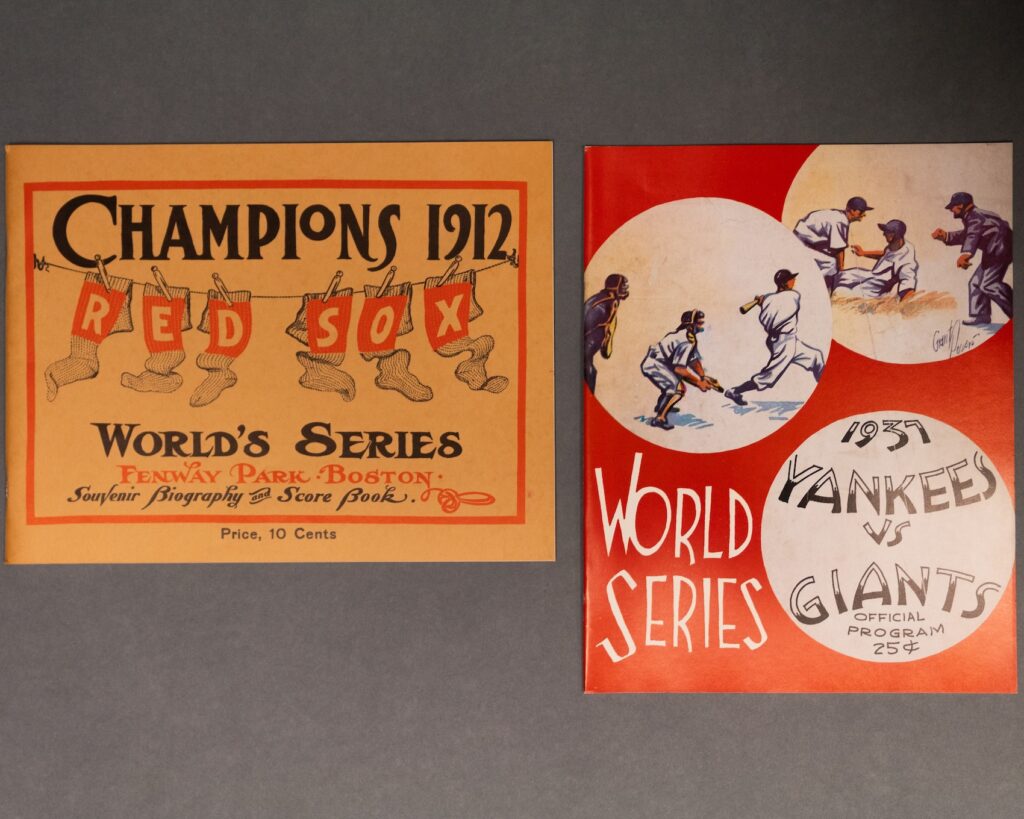
In contrast, some game programs from the early twentieth century, lacking mascots, lack depth in their visual storytelling. There’s a dynamic energy that animals bring into the visual language of sports, creating an interesting narrative around teams competing against each other.
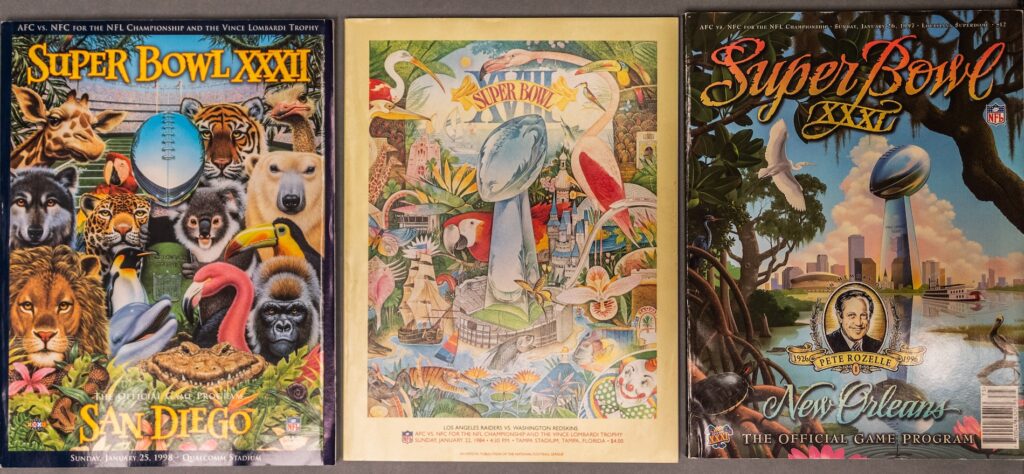
Some NFL Super Bowl covers visualize landscapes and wildlife of host cities such as San Diego, Tampa, and New Orleans. They use metaphors from the natural world to depict a fierce competition between teams, where sports teams channel animal traits of resilience and grit.
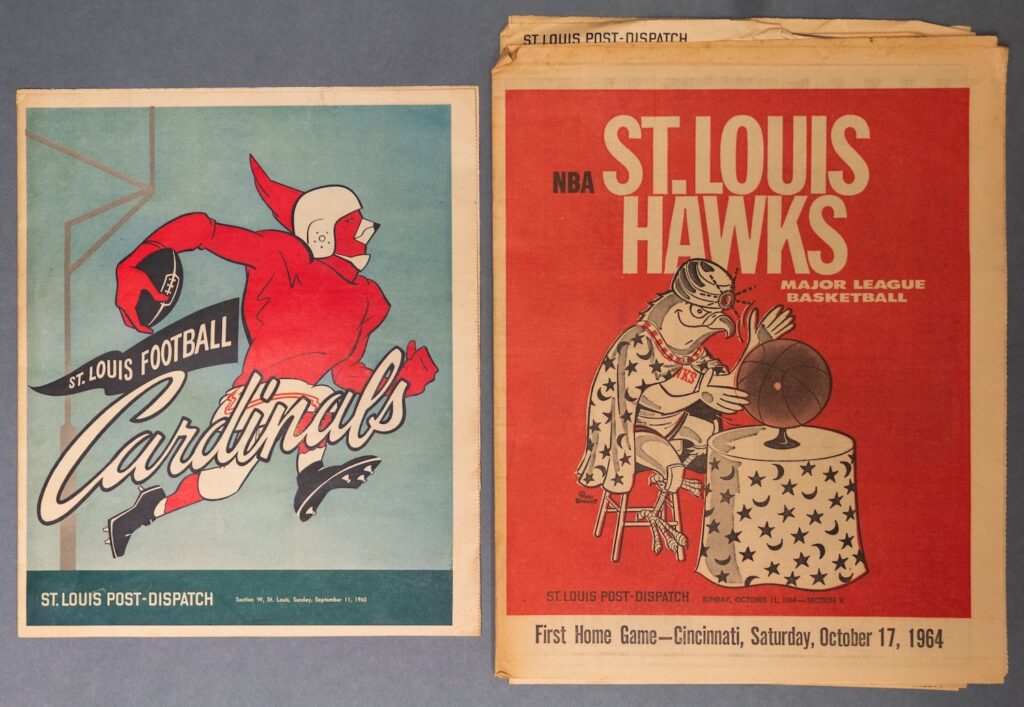
Anthropomorphism, the attribution of human characteristics to an animal, can often be observed in editorial illustrations. It brings the two worlds of human and nature together, where the characteristics and persona of birds represent the team and its players.
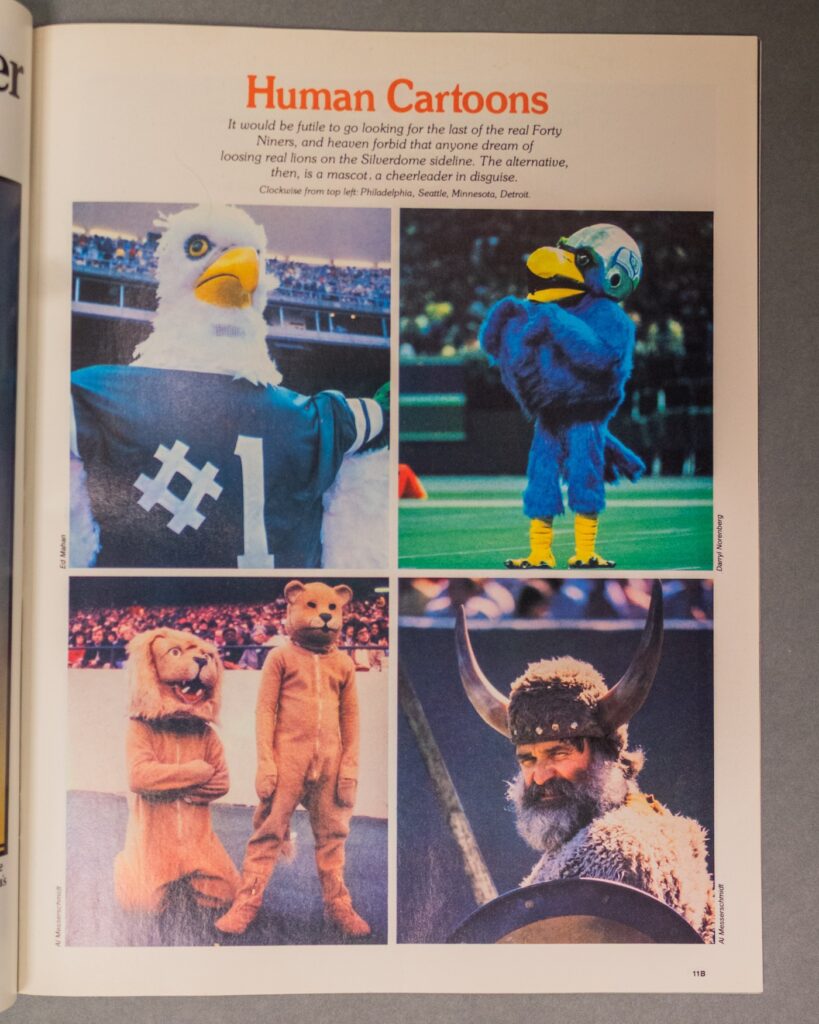
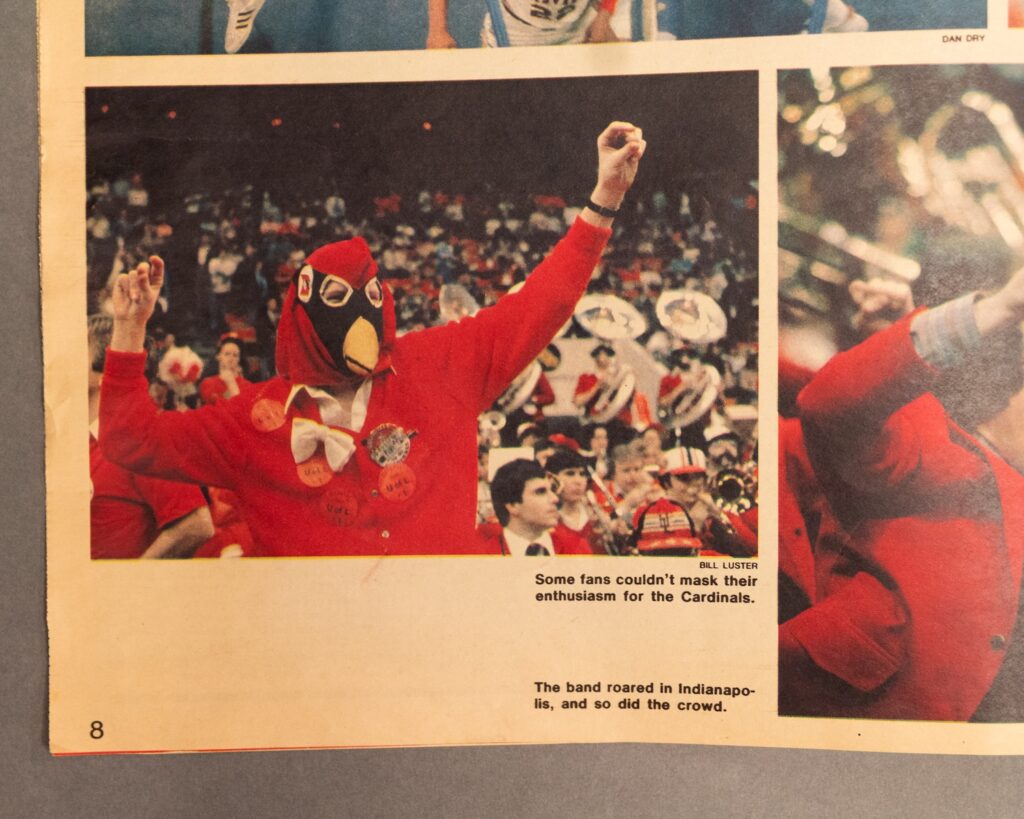
It is also a common sight during games to see fans dressed up in mascot costumes or interacting with a costumed mascot. Mascots play an important role for a team when it comes to their brand identity and marketing. Not only do they represent a team’s culture and players, but they also unite fans. Mascots bridge the team and fans through merchandise that fans wear to share their love for the sport and team.
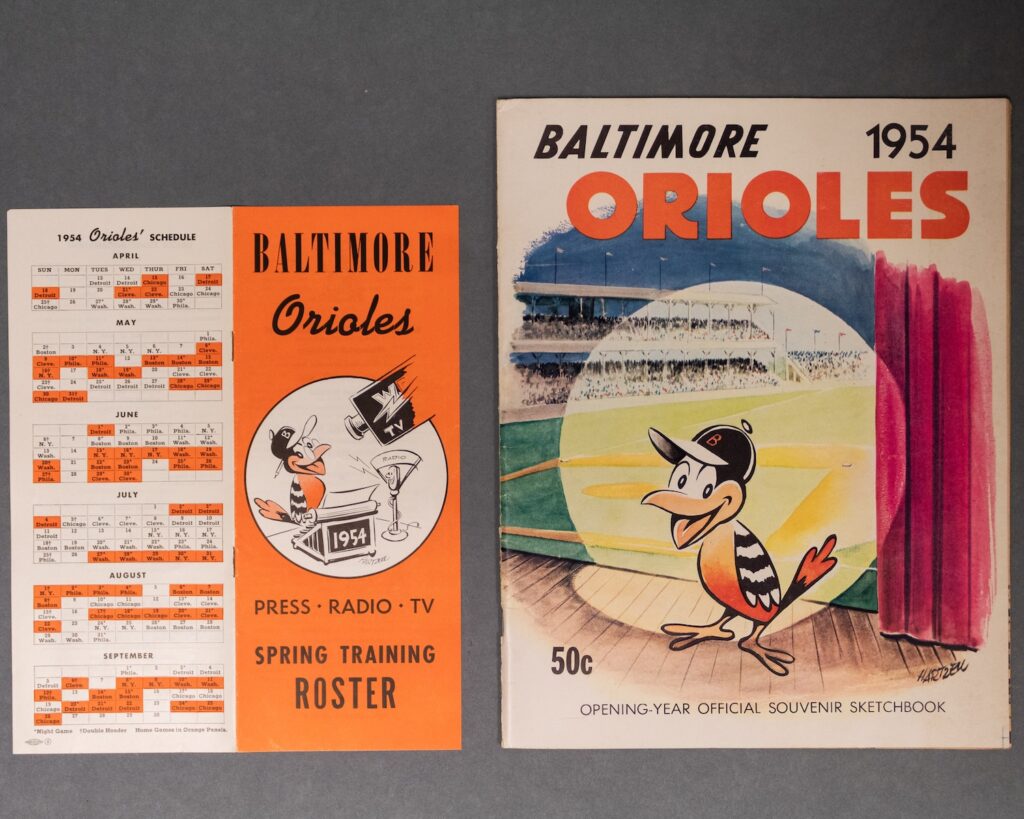
Often, a mascot is chosen based on the culture of a place and its symbolic relevance. Local birds, hence, become an excellent choice. They represent the place that a team belongs to and act as a cultural symbol. The Baltimore Orioles, Baltimore’s baseball team, are named after their state bird, which wears the heraldic colors of Lord Cecil Calvert Baltimore, whom the city is named after. Edgar Allan Poe’s poem, “The Raven,” inspired Baltimore to adopt ravens for their football team name. Poe spent part of his life in Baltimore and is buried there. The Seattle Seahawks logo was inspired by a Kwakwaka’wakw (a group of Indigenous First Nations on the Pacific Northwest Coast of British Columbia, Canada) eagle mask.
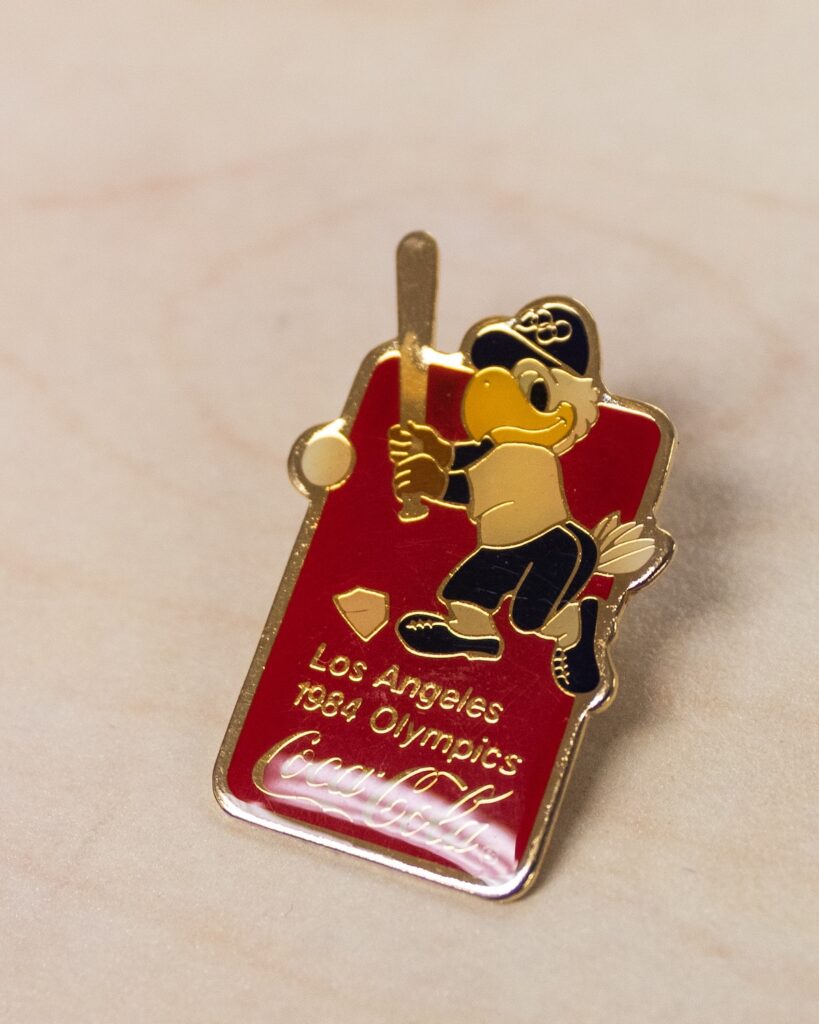
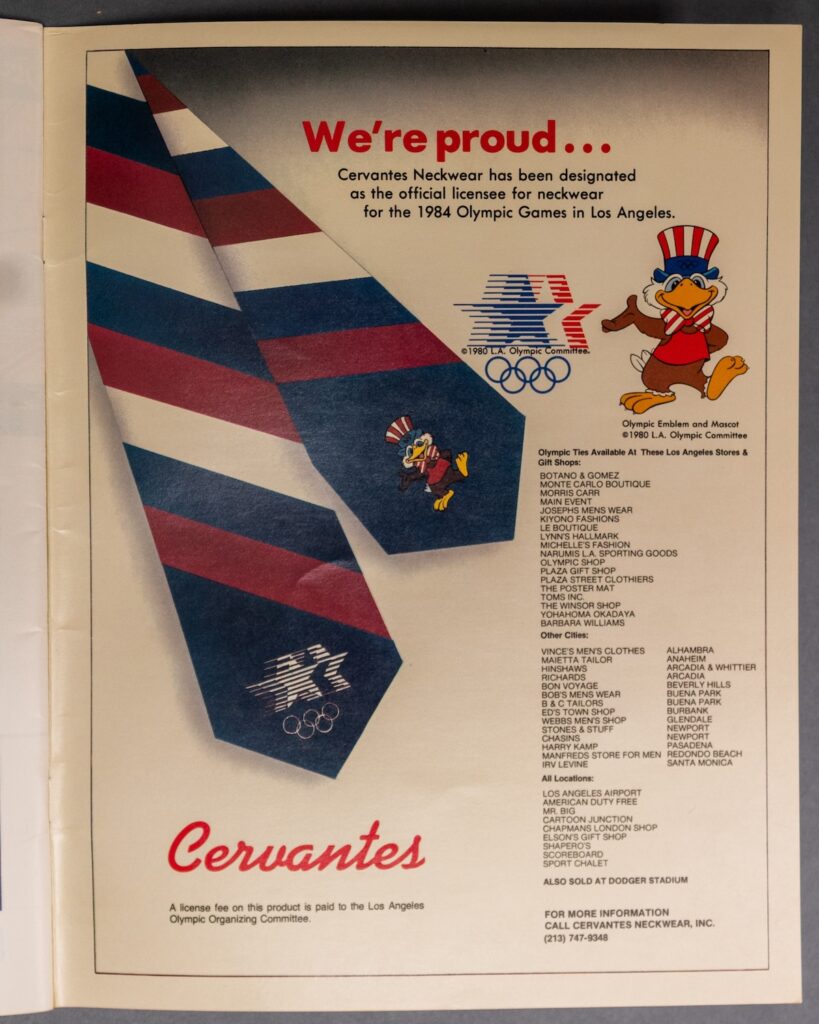
The 1984 Los Angeles Olympics mascot was Sam the Olympic Eagle. The bald eagle is the national bird of the United States. Bald eagles are synonymous with American patriotism.
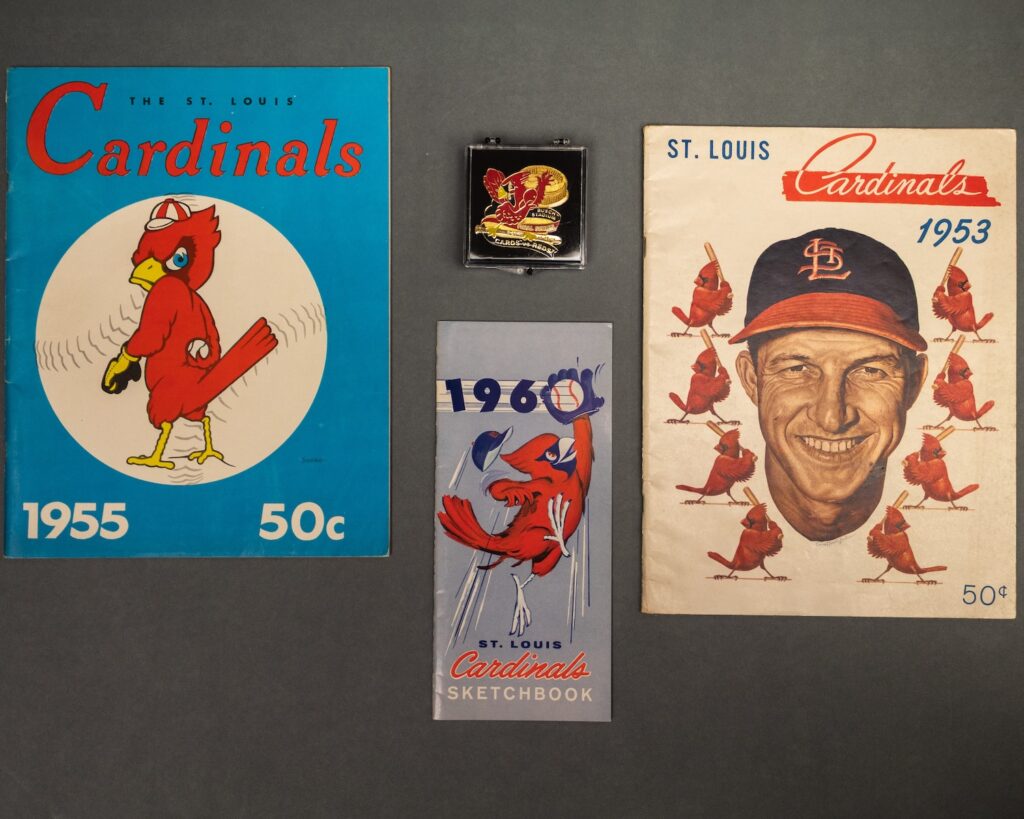
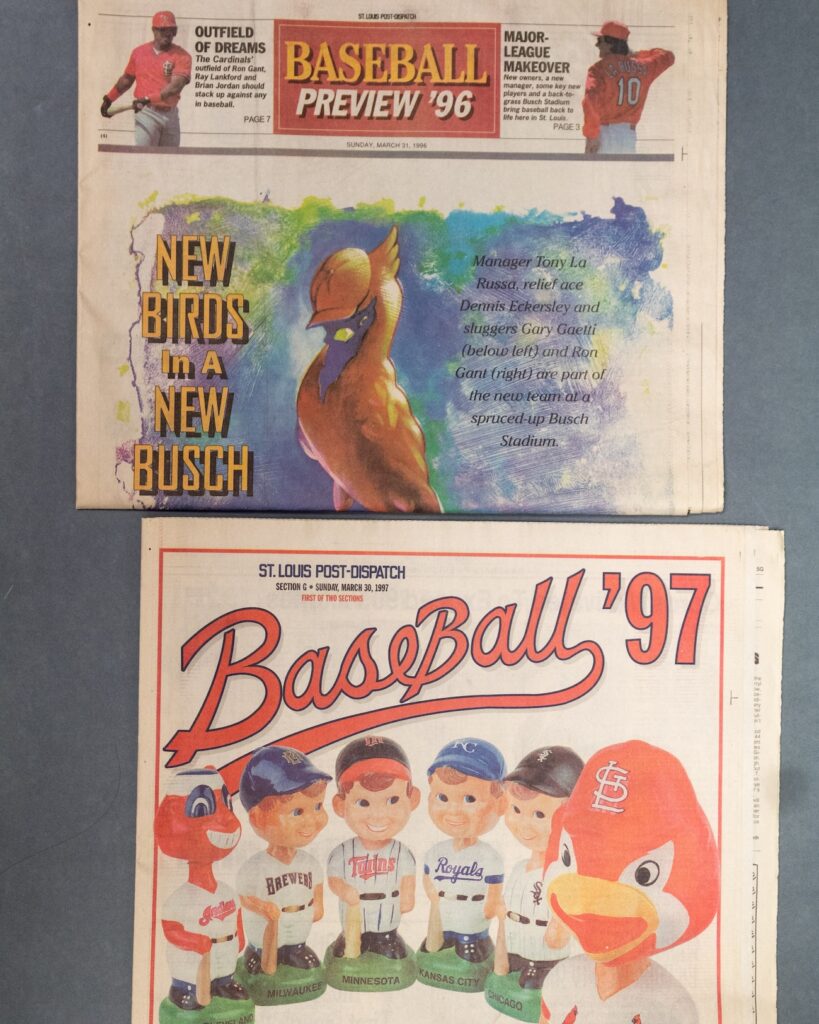
The origin of the St Louis Cardinals is perhaps an exception. They were not named after the birds but the color. In the 1900 season, the team changed its name from the Perfectos to the Cardinals. In 1921, their general manager, Branch Rickey, realized the possibilities of the team’s moniker after seeing the decorations at a Men’s Fellowship Club meeting. Allie May Schmidt, in charge of the decorations for the meeting, was inspired by two cardinals outside her window. Schmidt thought bird visuals would complement the cardinal red carnation centerpieces. She made hand-painted, cardboard cutouts of red birds and used twine to represent branches under their feet. This led to the conception of the birds on the bat emblem for the team.
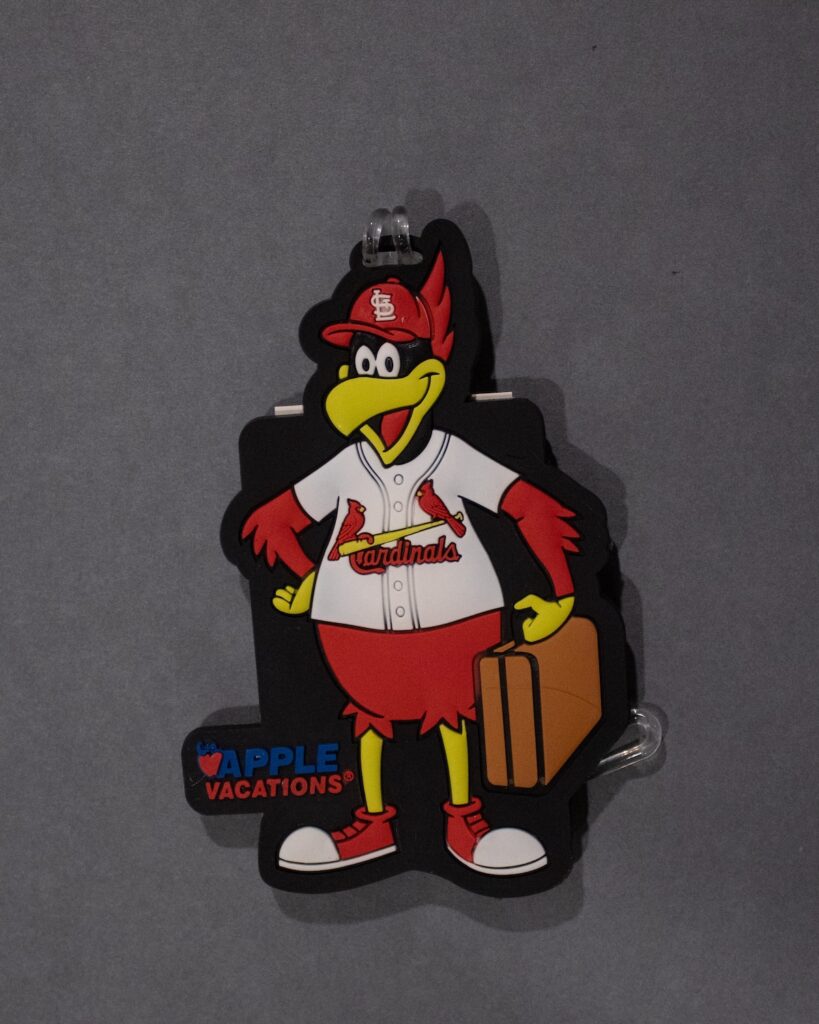
Later in 1979, Fredbird was introduced as the official mascot for the St. Louis Cardinals. He threw the first pitch at the Cardinals’ season opener that year. 1979 saw the introduction of bird mascots for several Major Baseball League teams, such as the Oriole Bird for the Baltimore Orioles, the Pirate Parrot for the Pittsburgh Pirates, and BJ Birdy for the Toronto Blue Jays.
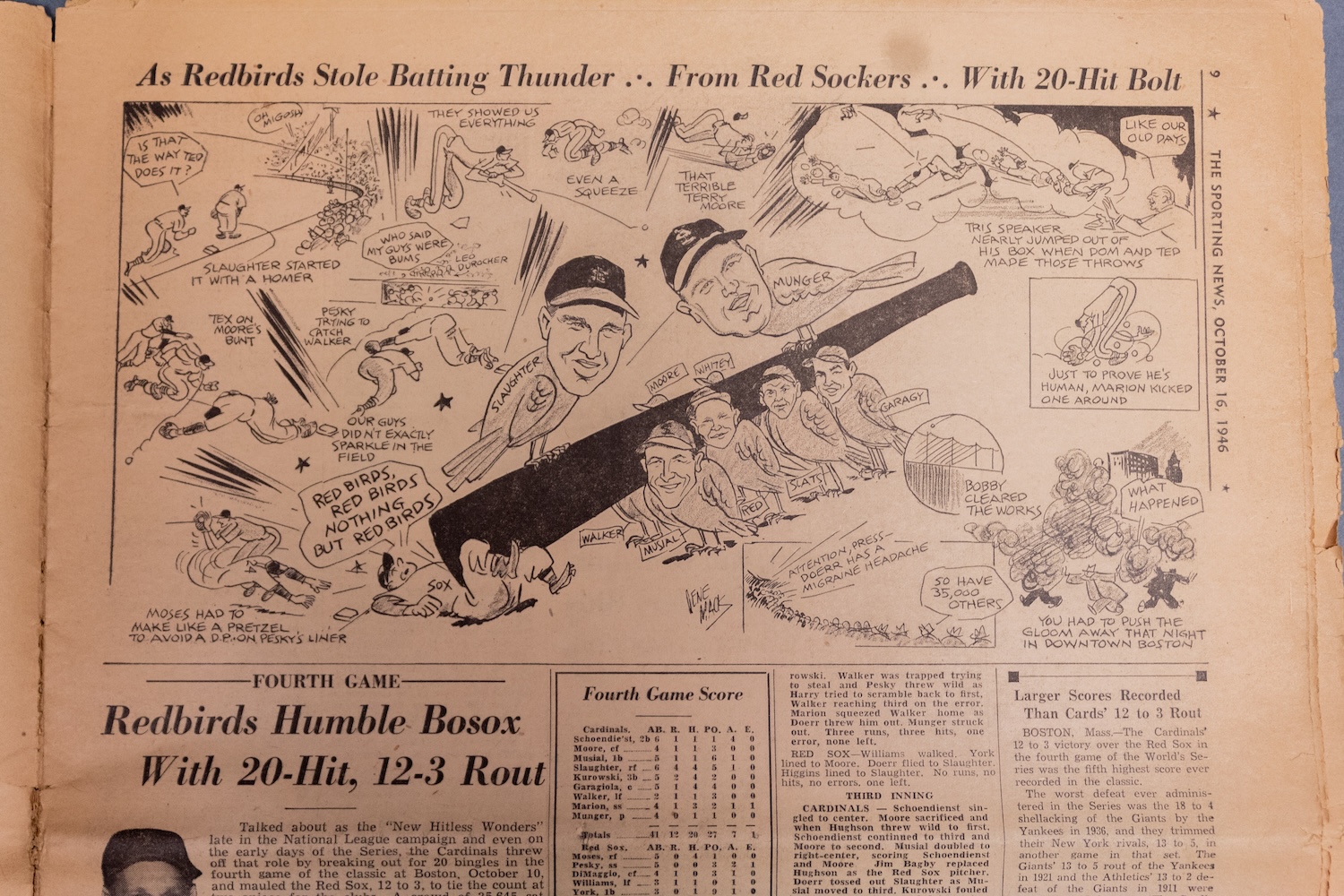
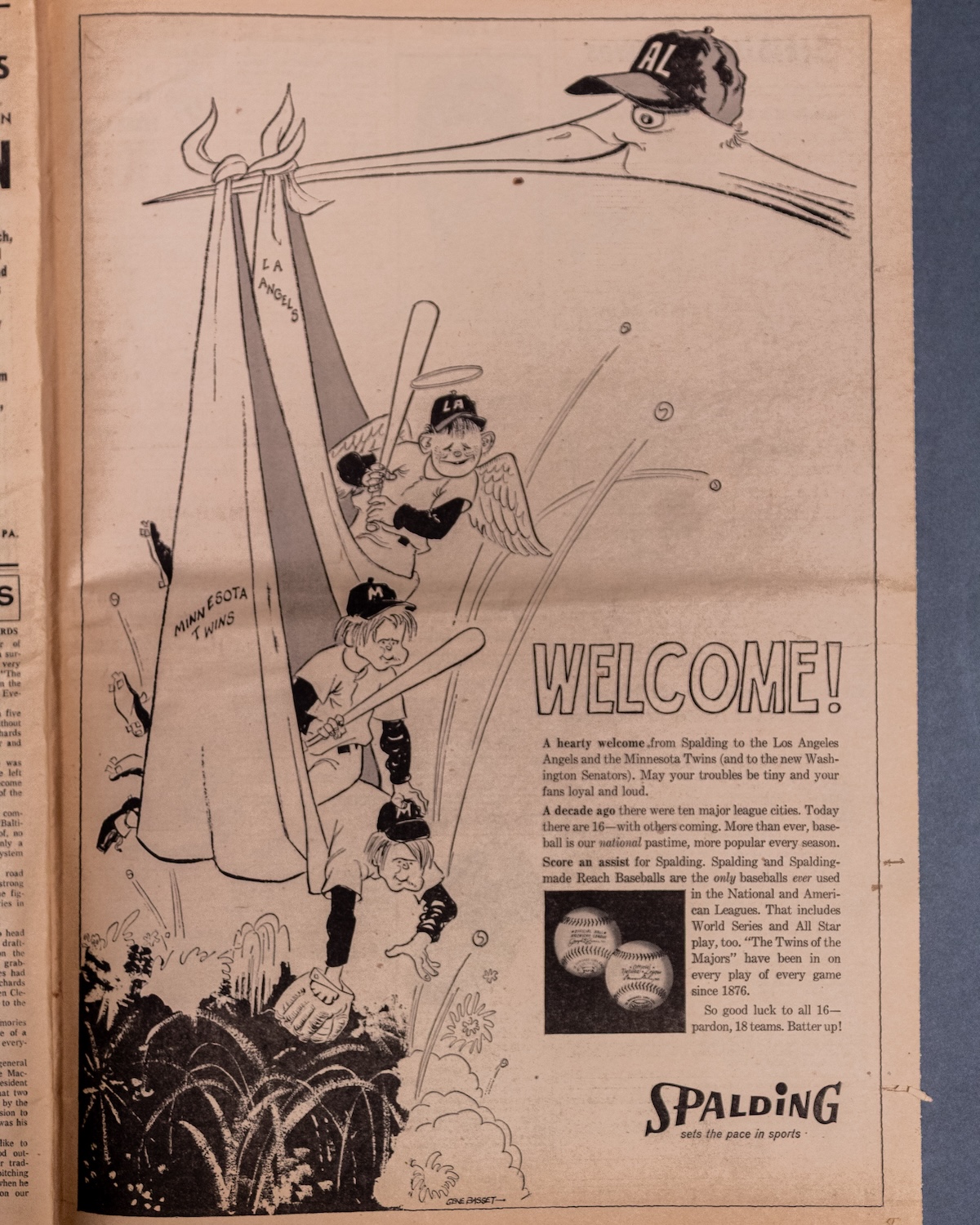
Sports publications are teeming with cartoons and visual metaphors involving mascots, sports teams, and wildlife. The Lewis A. Levey Family Collection on Sports and Culture houses sports memorabilia comprising ticket stubs, event programs, art, books, and sports artifacts of many kinds, and is a treasure of sports visual culture. `
For more information about the Lewis A. Levey Family Collection on Sports and Culture, please contact Tim Huskey, Lewis A. Levey Family Sports and Culture Curator, at [email protected].
Shivani Shenoy is an MFA Illustration and Visual Culture candidate at the Sam Fox School of Design and Visual Arts, Washington University in St Louis.