

Campus Novels in the Overdrive Audiobook Collection
Welcome back to campus! WashU Libraries may be your destination for study and research, but we also have many collections that can be a source of leisure and relaxation. Our popular literature collection on the first floor of Olin Library, with bestsellers, genre fiction, and other notable recent publications, is just one example. If course readings are already getting you down and your eyes need a break, consider our Overdrive Audiobook Collection, also known as Libby. Using the Libby app, you can listen to audiobooks anywhere, whether you are lounging in your dorm room, hanging out in Mudd Field, or working out at the Sumers Recreation Center.
To start listening, just download the Libby app to your preferred device (or use the desktop version), click “add library card” and select Washington University in St. Louis as your library (It will appear under “MOBIUS Consortium”). You’ll be prompted to authenticate with your WUSTL Key. If you have any trouble accessing the collection, don’t hesitate to use our Ask us! service for help. If you already use Libby with your local public library, you can add WashU Libraries as an additional library card to expand your choices and have shorter hold times.
Campus Novels
There are thousands of titles in the collection, but if you need some inspiration, consider these campus novels. The campus novel as a distinct genre emerged in the United States after World War II. The GI Bill caused an explosion in enrollment at colleges, and creative writing programs at universities started to multiply. As the decades went on, more and more novelists learned to write at universities and taught at universities, making the campus experience an inescapable subject of fiction.
Undergraduate Students

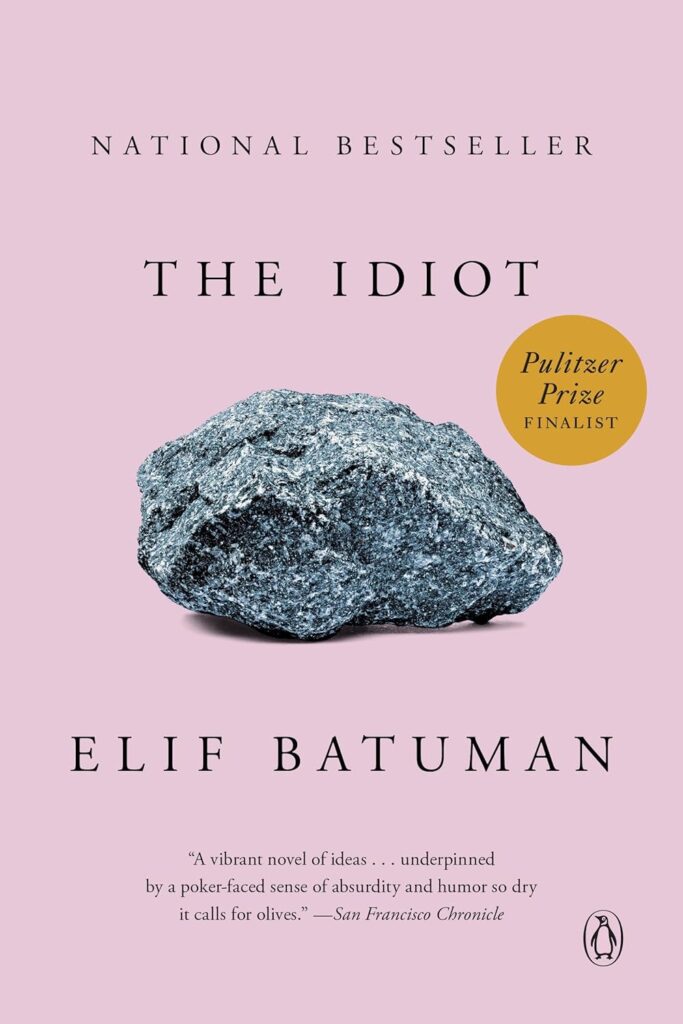
The experience of entering a fresh, new world and the ability to invent a new identity is great fodder for fiction, so it’s no wonder that so many campus novels focus on undergraduate students. The Secret History is a campus novel classic from 1992, and the audiobook is a particular delight as it is read by the author, Donna Tartt, who has a gorgeously thick Mississippi accent. This dark gothic tale centers around a group of classics majors with a cultish devotion to their professor and subject, and their interest in ancient ritual leads them to a dark discovery. On the lighter end, The Idiot by Elif Batuman is a hilarious novel about a freshman linguistics major named Selin who tries to navigate a campus world she finds deeply perplexing. Published in 2017 but set in the early 90s, it’s also a great depiction of campus life in the early internet era, when incoming freshmen used e-mail for the first time in their lives.
Graduate Students

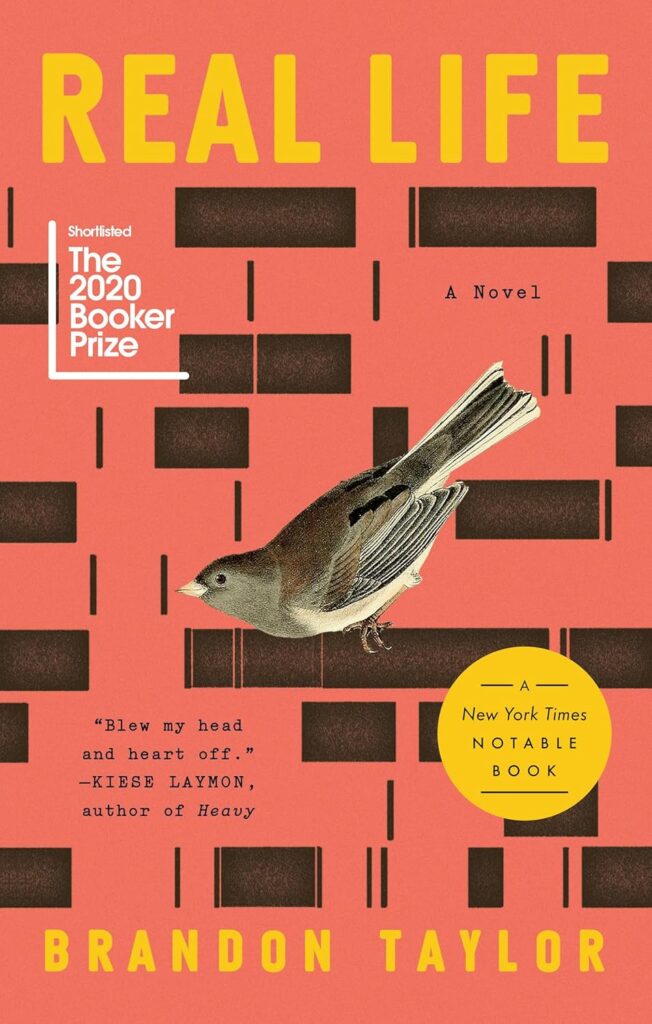
Graduate students were a neglected topic of early campus fiction, but some recent titles have filled the void. Disorientation by Elaine Hsieh Chou is a satirical novel concerning a Taiwanese American PhD student writing a dissertation on a Chinese American poet she finds deeply boring and struggles to write anything interesting about. While looking at his archives, she finds a note suggesting that the poet may not be who he seems, causing an academic scandal. A STEM graduate student is the subject of Real Life by Brandon Taylor. A gay Black man from Alabama, he studies at an unnamed Midwestern university and is burdened by an enormous amount of grief and trauma from his past. He feels numb and distant from his grad cohort and the Midwestern environment he lives in, but one fateful weekend changes everything.
Faculty
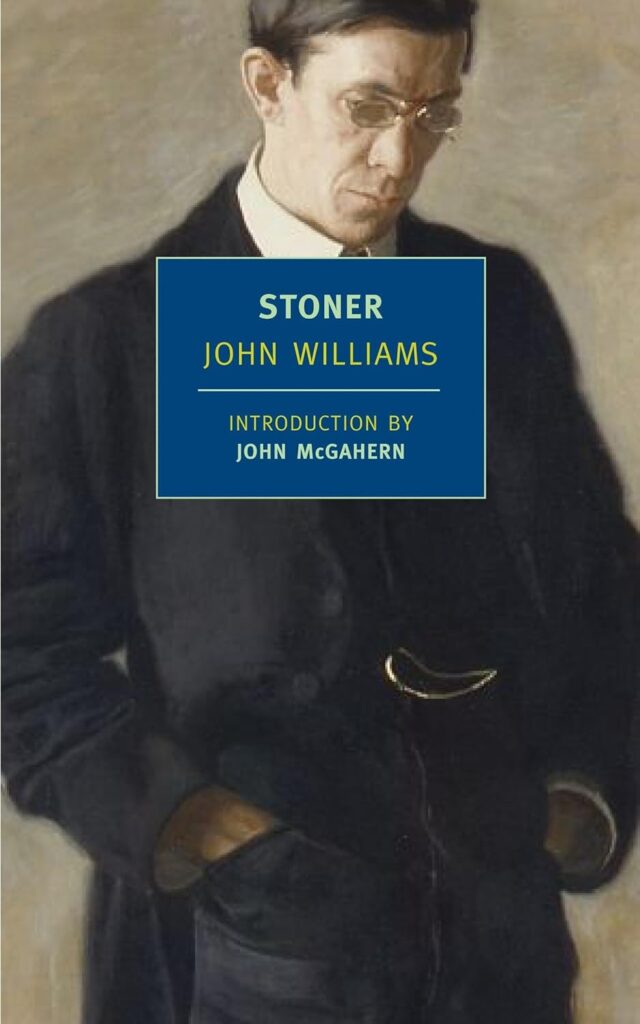
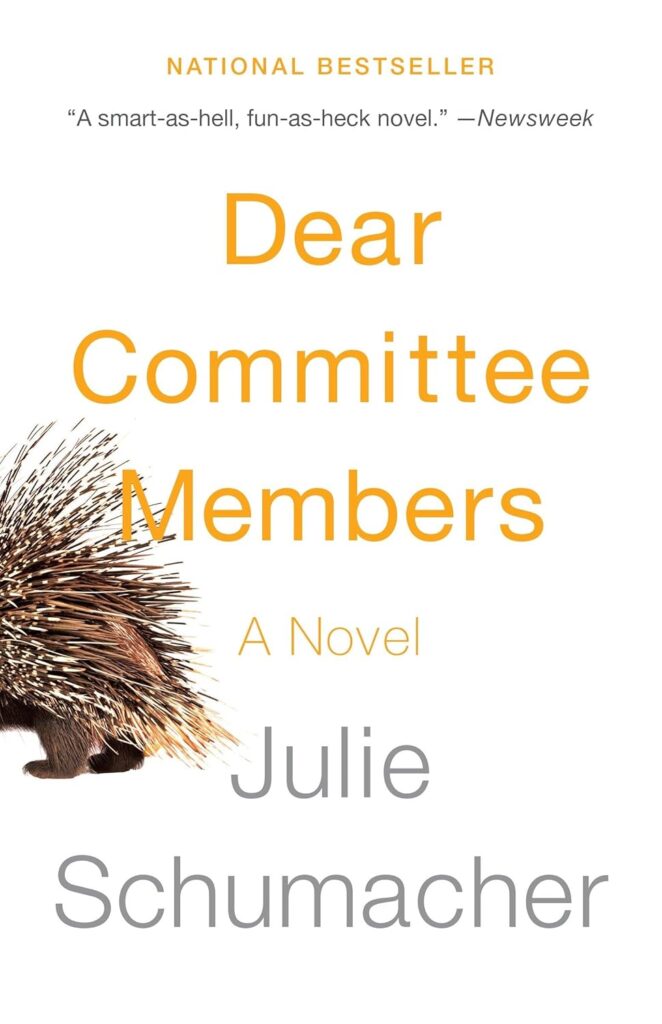
Professors are people too! In fiction, they seem to lead hapless, dreary lives and struggle to find meaning. Stoner by John Williams is a campus novel classic about the life of a fictional English Professor at the University of Missouri, who witnesses the cataclysmic changes of the early twentieth century and, toward the end of his life, wonders if his career devoted to learning and teaching has amounted to anything. Dear Committee Members by Julie Schumacher has a more satirical bent, and is written in the form of recommendation letters by a bitter creative writing professor.
Staff


Support staff that help make the complex system of college campuses run are less likely to be subjects of novels, but why should faculty get all of the attention? In Weather, Jenny Offill writes about an academic library worker who feels daunted by the drudgery of her domestic and work lives, while anxiety about climate change and other political disasters looms. Groundskeeping by Lee Cole tells the story of a groundskeeper at a liberal arts college in Kentucky who falls in love with the campus writer-in-residence in 2016.
International
The campus novel is typically British or American. Universities in other countries are less likely to be an enclosed city unto itself where students live, creating a different social dynamic. Writers from other countries are also less likely to be so tightly entwined with the academy as they are in the United States. Still, university life is an occasional subject, and these translated titles provide a window into university life in other countries.

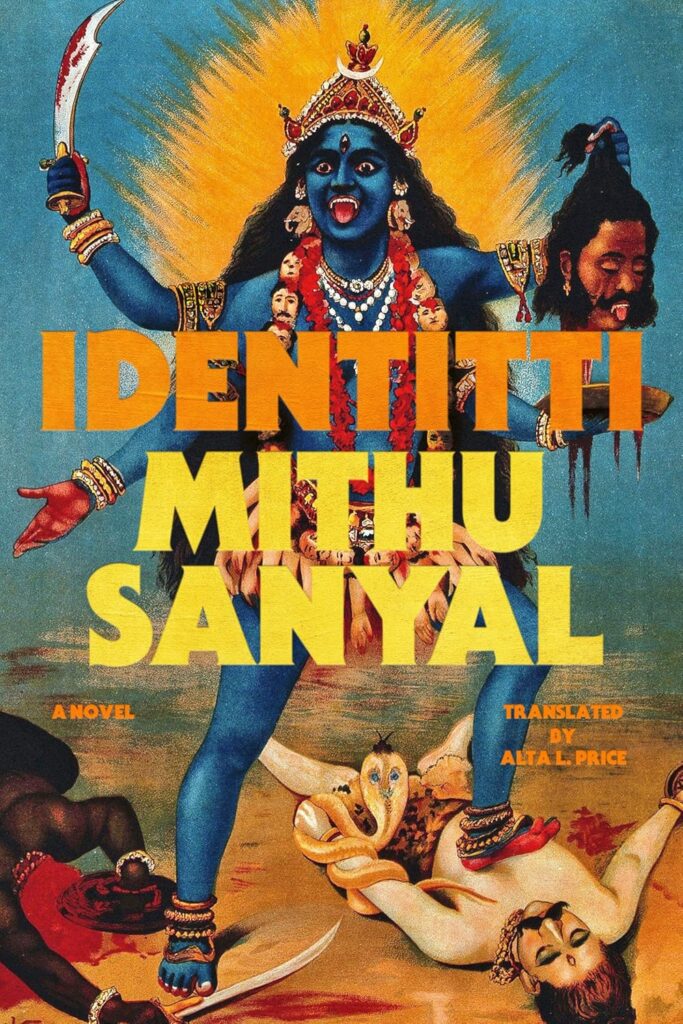
Wish you could go back and do things differently as a freshman? In the Tatami Galaxy by Tomihiko Morimi (translated by Emily Balistrieri), set at a university in Kyoto, a junior can transport himself to four different parallel universes, allowing him to start over…and start over…and start over. Identitti by Mithu Sanyal (translated by Alta L. Price) concerns a German student of postcolonial studies at the Heinrich Heine University Düsseldorf. She idolizes a charismatic Indian Professor, but soon a scandal reveals her ethnic identity is not what it seems. Sprechen Sie Deutsch? We have the German-language audiobook as well.
- Name
- Walter Schlect
- Job Title
- Germanic Languages & Literatures and Comparative Literature Subject Librarian