
Intertwined Lives: Harriet Hosmer and Cornelia Crow Carr
In 1848, two young women met at school in Lenox, Massachusetts. Hattie Hosmer was from a high-society family in nearby Waterford. Fiercely independent, people often described her as a tomboy. Cornie Crow, born in rural Kentucky, lived in St. Louis, where her father was a merchant. Harriet “Hattie” Hosmer would become America’s first accomplished female sculptor, while “Cornie” became Mrs. Cornelia Crow Carr, wife and mother. Despite their differences, they would come to be lifelong friends and chosen family.
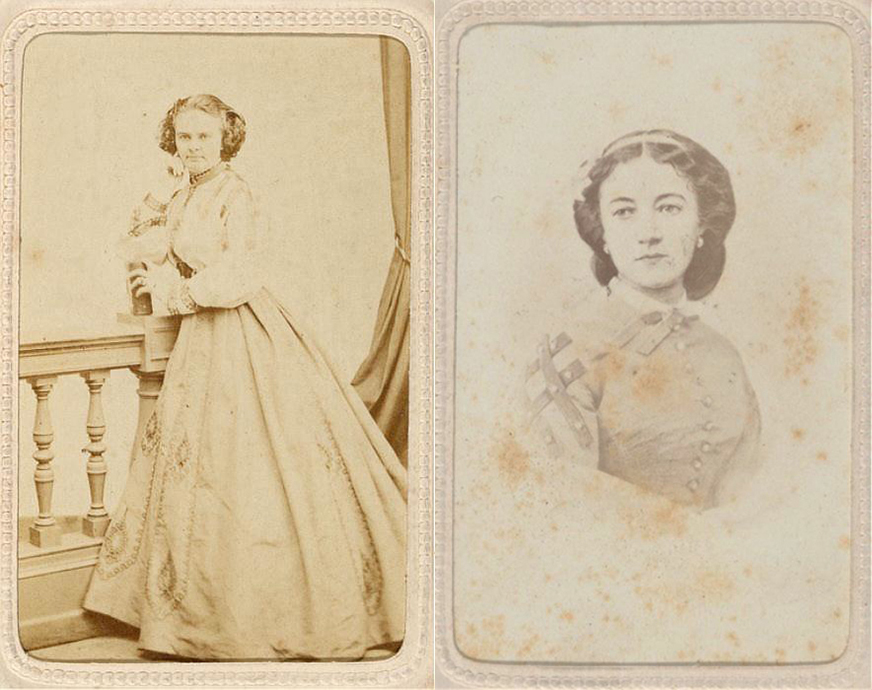
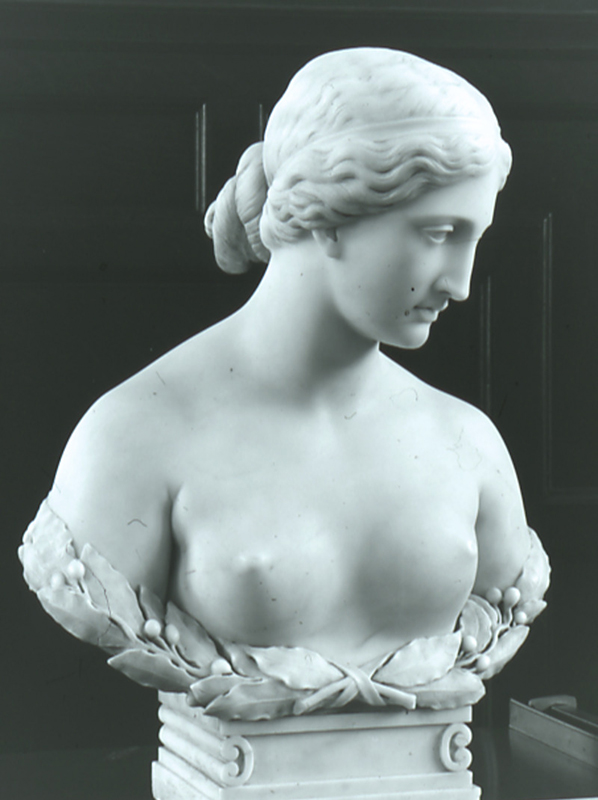
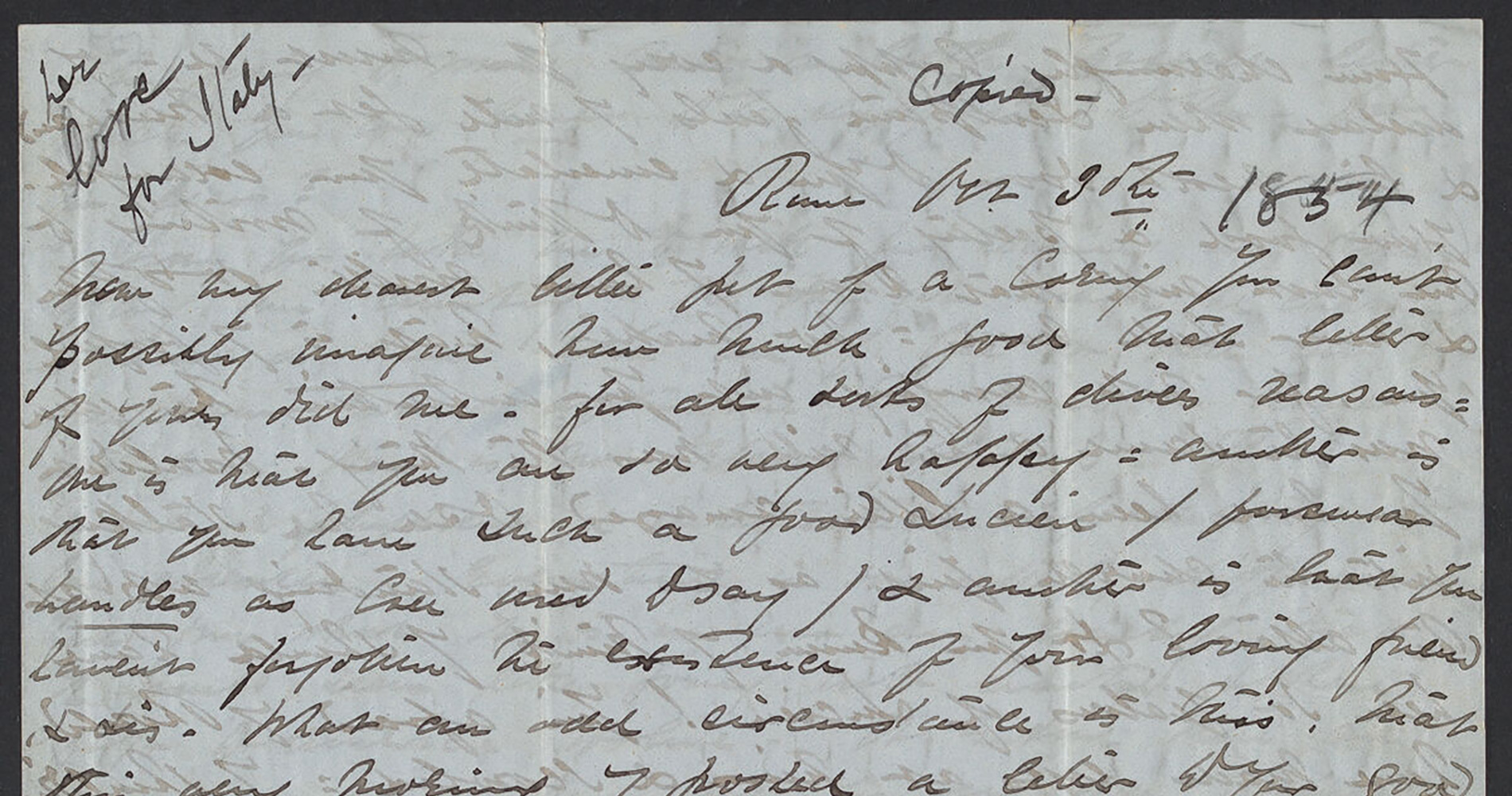
At a time before society had the terms lesbian or homosexual, Harriet Hosmer fell fiercely in love and had complex relationships with women. She had a career as an artist, and her legacy was carefully protected by Cornelia’s editing when publishing Hosmer’s biography. Featured in the exhibition is Hosmer’s first sculpture, Daphne. A head-and-shoulders bust, the sculpture was completed in Rome as a gift for Cornelia. Shipping it to St. Louis in 1854, Hattie wrote, “…when Daphne arrives kiss her lips and then remember that I kissed her just before she left me. I hope you will like her and look upon her as a blood-relation.” The sculpture remained in the Crow family until 1880 when it was donated to the collections of Washington University.
Drawing from several archives, including the newly acquired Crow Carr Family Collection, this exhibition offers a deeper look at the intertwined lives and families of these individuals. The exhibition goes behind the published history and looks at original documents to see the reality of these strong, independent women in the 19th century.
The Intertwined Lives: Harriet Hosmer and Cornelia Crow Carr exhibition is organized by Miranda Rectenwald, curator of local history collections.